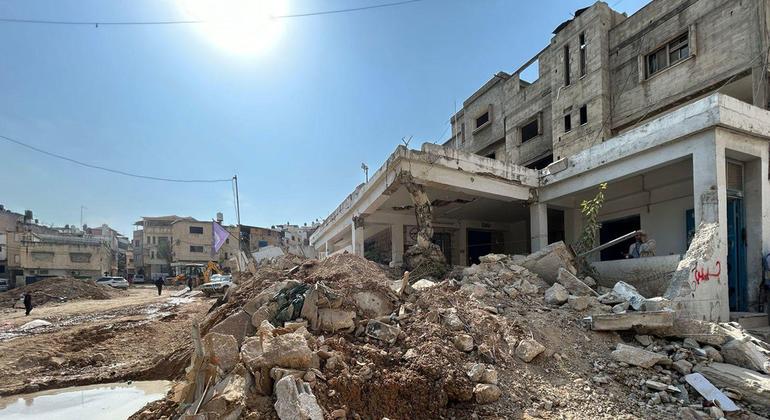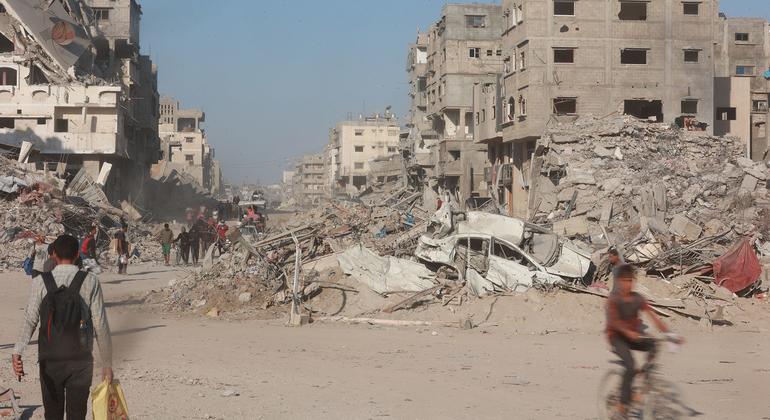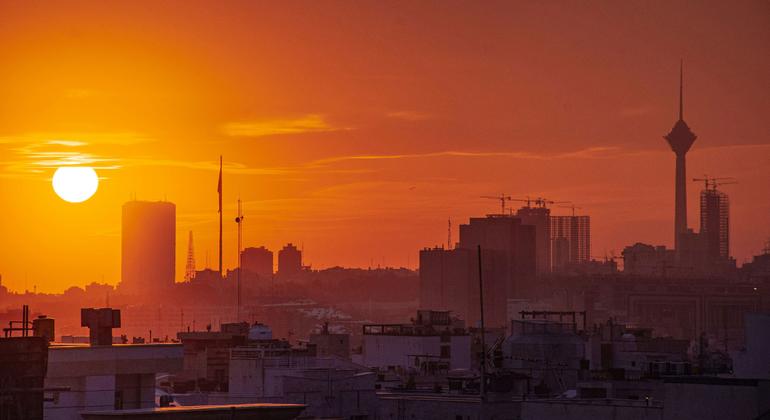

The humanitarian fallout continues to deepen and is exacerbated by the number of deaths, injuries and damage to civilian infrastructure, and the severe impacts on the global economy are increasing.
While UN efforts to support affected civilians and de-escalate the conflict are ongoing, the Secretary-General has stressed the need to take immediate action to mitigate the consequences.
Wide-ranging impacts
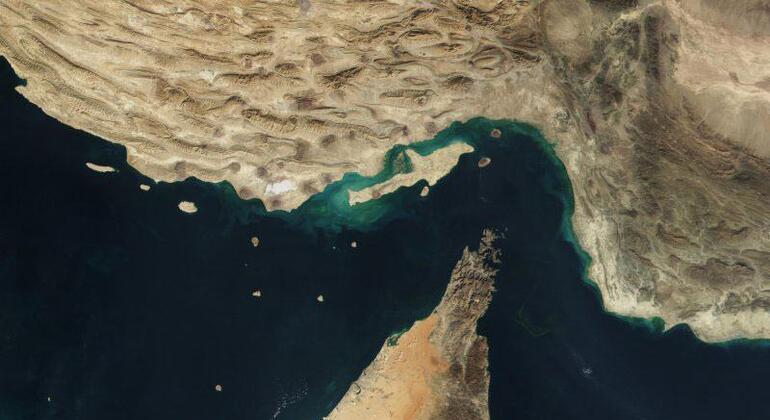
The prolonged closure of the Strait of Hormuz to maritime trade “is choking the movement of oil, gas, and fertiliser at a critical moment in the global planting season,” he said.
Tanker traffic has dropped by more than 90 per cent, according to the UN Food and Agriculture Organization (FAO), which is threatening agricultural production and global food security.
“The crisis is causing the most significant global humanitarian supply chain disruptions since COVID-19 and the onset of the war in Ukraine,” the UN aid coordination office OCHA added.
“Humanitarian supply lines across the Middle East are being severely disrupted, threatening the timely delivery of lifesaving food, medical items and emergency relief to millions.”
With the conflict showing no signs of stopping, the Secretary-General this week announced two important initiatives: the appointment of an envoy to spearhead UN peace efforts and the establishment of a dedicated Task Force on the Strait of Hormuz.
Facilitating transit, averting crisis
The Task Force will work to ensure safe, orderly and reliable transit for humanitarian purposes through the critical maritime corridor.
It will be headed by Jorge Moreira da Silva, Executive Director of the United Nations Office for Project Services (UNOPS), which provides infrastructure, procurement and project management services around the world.
Representatives from UN trade body UNCTAD, the International Maritime Organization (IMO), and the International Chamber of Commerce will also be on board.
“Our focus is to facilitate the trade of commercial fertilisers and the movement of related raw materials. We are standing by to support this lifesaving operation,” Mr. Moreira da Silva said in a statement posted on X.
“It is urgent to prevent a massive humanitarian crisis in the Middle East and beyond including in Africa and Asia import-dependent on fertilizers.”
Inspired by previous initiatives
The Task Force draws inspiration from other UN initiatives, including the Verification and Inspection Mechanism in Yemen, the former Black Sea Grain Initiative on exports from Ukraine, and the UN Special Mechanism for Gaza aid delivery outlined in Security Council resolution 2720 (2023).
“The mechanism’s operationalization will be done in close consultation with relevant Member States with full respect for national sovereignty and established international legal frameworks,” said UN Spokesperson Stéphane Dujarric
“If successful, it would also create confidence among Member States on the diplomatic approach to the conflict and constitute a valuable step towards a wider political settlement,” he added.
File photo of Jean Arnault, a former Special Representative of the Secretary-General and Head of the UN Verification Mission in Colombia.
UN envoy appointed
The Secretary-General named veteran French diplomat Jean Arnault as his Personal Envoy to lead UN efforts on the Middle East conflict and its consequences.
He warned that the conflict was “out of control”, reiterating his call on the United States and Israel to stop the war, and for Iran to stop attacking its neighbours.
“It is time to stop climbing the escalation ladder – and start climbing the diplomatic ladder, and return to full respect of international law,” he said.
Mr. Arnault “will be doing everything possible” to support all efforts for mediation and peace, and will be in contact with all parties. He will examine how the conflict is impacting the region and civilians, both there and around the world, as well as consequences for the global economy.
The envoy has nearly 40 years of experience in international diplomacy, especially in the field of peaceful settlements and mediation, and has led UN missions in Africa, Asia, Europe and Latin America. Most recently he served as the Secretary-General’s Personal Envoy on Afghanistan and Regional Issues.