
Speaking to reporters from Madagascar’s capital Antananarivo, WFP Country Director Tania Goossens said some 400,000 people are facing acute humanitarian needs after the island was hit by back-to-back cyclones in the space of three weeks.
Ms. Goossens recently returned from a mission to the port city Toamasina (also known as Tamatave), the country’s second largest urban centre, where Gezani made landfall on Tuesday evening with wind gusts of up to 250 kilometres per hour.
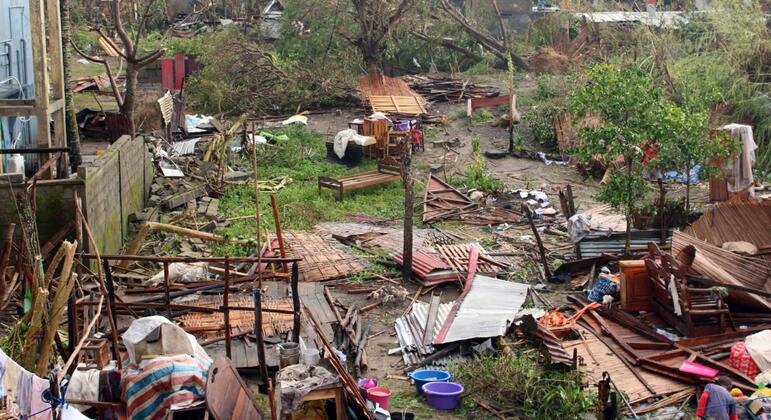
“The scale of the destruction is really overwhelming,” Ms. Goossens insisted.
Nearly 40 deaths
She said that according to the authorities, 80 per cent of the city has suffered damage and that it is “running on roughly five per cent electricity at the moment.”
“There’s no water and one of WFP’s warehouses and our office was also completely destroyed during the cyclone,” she added.
Assessments are ongoing but to date the authorities report 38 deaths and 374 people injured.
Families left with nothing
The UN food agency official said that many families have left their homes and that there was “severe” damage to buildings, businesses, schools and the city’s hospital.
“During my visit, I saw families trying to recover the little that was left of their home,” she recounted. “Many are spending the night in homes where the roofs have been torn off.”
Uprooted trees and debris across the city are blocking streets, Ms. Goossens said, and fuel is difficult to come by.
“Families are telling us that they have lost everything,” she stressed. “Many are sheltering in damaged homes or temporary sites and uncertain about how they can access their next meal.”
Rising needs
In addition to the urgent need for food Ms. Goossens highlighted humanitarians’ concerns about water, sanitation and hygiene conditions, as a lack of clean water and damaged infrastructure raise the risk of disease outbreaks.
She also mentioned “rising protection concerns for vulnerable groups” such as women, children, the elderly and persons with disabilities.
Mobilising support
In anticipation of the shock WFP and partners have been providing cash assistance to the most vulnerable households allowing them to purchase some food and better prepare before the storm struck.
The UN food agency is now mobilising its “last food stocks,” which will be distributed in coordination with national disaster relief teams, Ms. Goossens explained.
However, the needs on the ground exceed WFP’s capacity and the agency is calling for urgent donor support.
The latest disaster “comes on top of an already very critical food security situation,” Ms. Goossens said, as already before the back-to-back cyclones 1.57 million people across the country were food insecure, including 84,000 facing emergency levels of hunger, according to the latest data from the IPC, a UN-backed global food security monitoring system.
“We’re also in the peak of the lean season here in Madagascar and funding shortfalls remain alarming… Our lean season response as well as cyclone response faces a $18 million gap over the next six months,” the WFP official warned.
“We will need… sustained support over the coming months to help people recover, to rebuild and strengthen their resilience against further shocks,” she added. “In fact, we are in at the start of the cyclone season. So, we are also concerned that this is only just the beginning.”