
This article is waiting for review! This article requires pre-publication review by an uninvolved reviewer (someone not substantially involved in writing the article). This is currently the only article in the review queue. If the article is accepted, it will be published; If declined, feedback will be posted on the talk page. You may continue improving the article while it awaits review. While waiting, how you can help: Self-check your article: Help others get published: Instructions for Reviewers: Only qualified reviewers may perform reviews and publish articles. To request reviewer rights, apply here. Review checklist: |
This article is waiting for review! This article requires pre-publication review by an uninvolved reviewer (someone not substantially involved in writing the article). This is currently the only article in the review queue. If the article is accepted, it will be published; If declined, feedback will be posted on the talk page. You may continue improving the article while it awaits review. While waiting, how you can help: Self-check your article: Help others get published: Instructions for Reviewers: Only qualified reviewers may perform reviews and publish articles. To request reviewer rights, apply here. Review checklist: |
Sunday, February 8, 2026
Tenkil literally means systematic oppression, exclusion, expulsion, eradication, and removal from the public sphere, as well as extermination. The Tenkil Museum serves as a reminder of humanity’s dreadful potential for violence and inhuman acts.
The Tenkil Museum is a civil society initiative based in Germany that aims to inform the world about the human rights violations and suffering that took place in Turkey after July 15, 2016. Similar to the Jewish Museum Berlin, which exhibits personal stories and belongings of Holocaust victims, the Tenkil Museum documents the fates of the victims in Turkey.
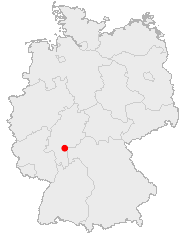
This year’s exhibition opened on February 7, 2026, in Hanau, Germany, under the title “The Tenkil Catastrophe: Confronting and Healing” and welcomed visitors. Alongside this year’s exhibition, the special section “Media & Tenkil” has been presented to the public for the first time. This new section represents the first comprehensive curatorial work highlighting the role of the media and public responsibility in the Tenkil catastrophe.


Previous Exhibitions
[edit]
The museum is a traveling institution without a permanent building. The first exhibition was held in Brussels, followed by exhibitions in locations such as the European Parliament, Kassel, and Frankfurt. It operates in Germany as an officially registered non-profit association (gemeinnütziger Verein).
Background of the Museum
[edit]
This museum is a project of collective memory designed to ensure that the suffering endured is not forgotten and to leave a permanent mark in history. It addresses human rights abuses in Turkey, including stories of imprisonment, detention, and exile.
Purpose of the Museum
[edit]
Its mission is to preserve the memory of the injustices experienced by those subjected to the “tenkil” process (purge, annihilation) through their personal stories. It aims to document and preserve the experiences — particularly those of the Gülenists and others who were reportedly subjected to arbitrariness and oppression — ensuring they are not forgotten, under the motto “Remember, Confront, Heal.”
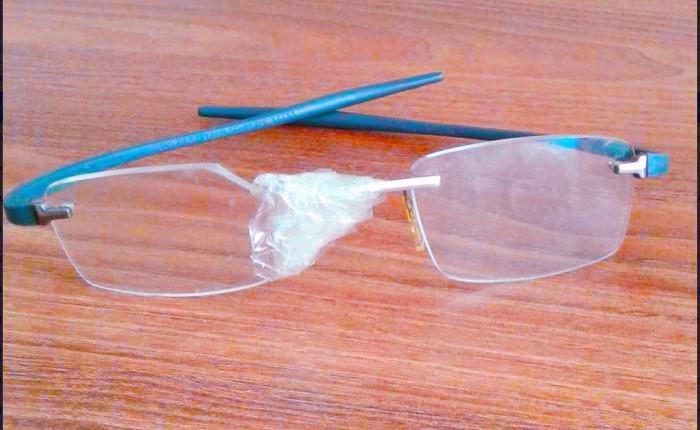
The museum’s collection features personal belongings (such as glasses, shoes, and clothing) of individuals who lost their lives in prisons or on escape routes, letters from prisoners, drawings by children, and items used during periods of suffering.