

This article is waiting for review! This article requires pre-publication review by an uninvolved reviewer (someone not substantially involved in writing the article). There are currently 3 articles in the review queue. If the article is accepted, it will be published; If declined, feedback will be posted on the talk page. You may continue improving the article while it awaits review. While waiting, how you can help: Self-check your article: Help others get published: Instructions for Reviewers: Only qualified reviewers may perform reviews and publish articles. To request reviewer rights, apply here. Review checklist: |
This article is waiting for review! This article requires pre-publication review by an uninvolved reviewer (someone not substantially involved in writing the article). There are currently 3 articles in the review queue. If the article is accepted, it will be published; If declined, feedback will be posted on the talk page. You may continue improving the article while it awaits review. While waiting, how you can help: Self-check your article: Help others get published: Instructions for Reviewers: Only qualified reviewers may perform reviews and publish articles. To request reviewer rights, apply here. Review checklist: |
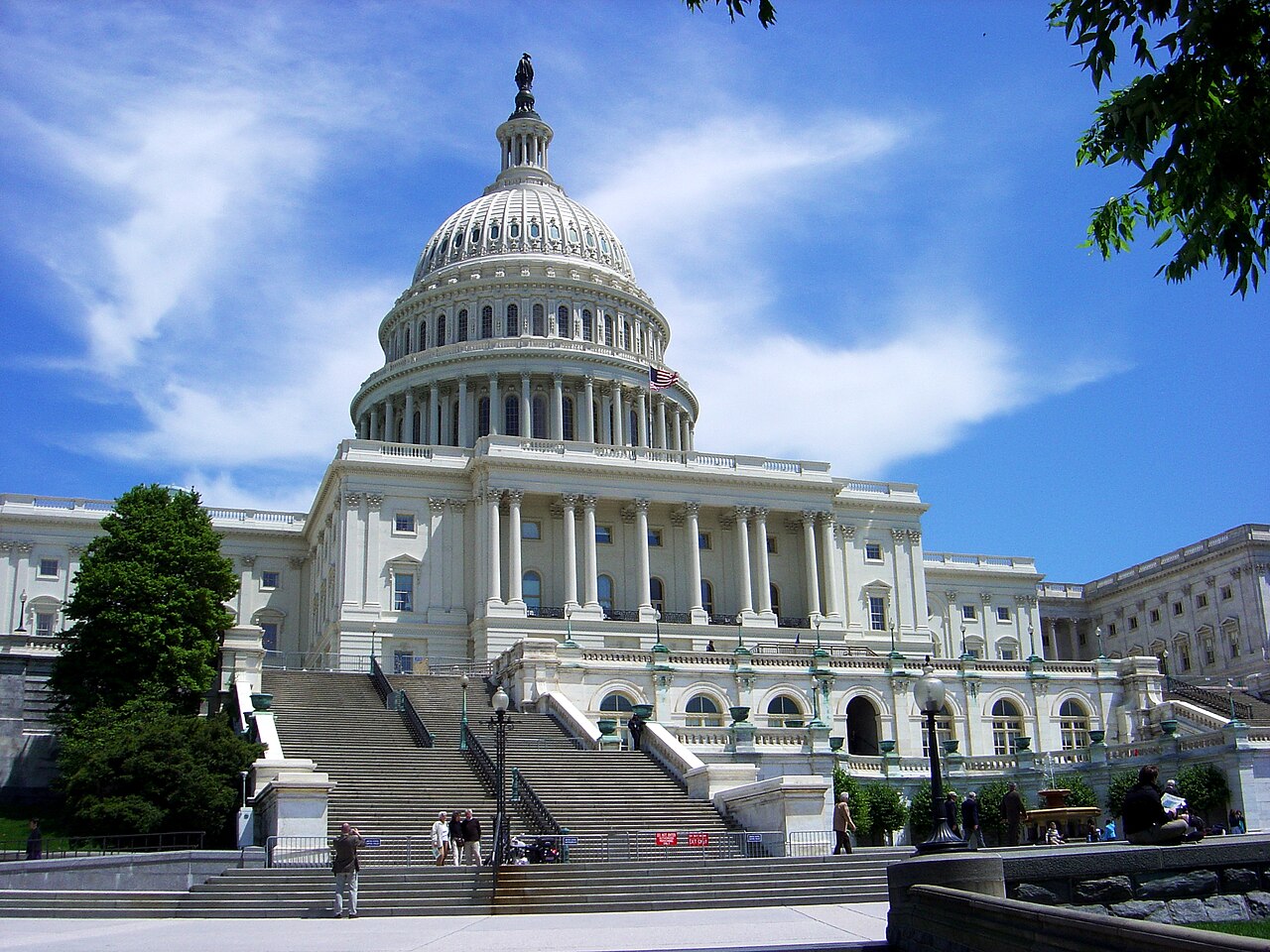
U.S. President Donald Trump announced on Wednesday that his administration had paused immigrant visas for citizens of 75 countries. A spokesperson for the U.S. State Department stated that this suspension will be effective starting Jan. 21 as part of an anti-immigration crackdown.
As a result of this suspension, applicants from countries including Afghanistan, Iran, Russia, Somalia, Nigeria, Yemen, Thailand, and Brazil will be impacted. According to the State Department, the decision targets applicants who may need government assistance while residing in the United States.
In an interview with Reuters, Tommy Pigott, Principal Deputy Spokesperson at the State Department, said, “The State Department will use its long-standing authority to deem ineligible potential immigrants who would become a public charge on the United States and exploit the generosity of the American people.”
A Department statement noted in an Associated Press report declared, “Immigrant visa processing from these 75 countries will be paused while the State Department reassesses immigration processing procedures to prevent the entry of foreign nationals who would take welfare and public benefits.”
Consistent with a broader advisory issued in November, the State Department, led by Secretary of State Marco Rubio, has ordered a halt to the acceptance of visa requests. In that advisory, embassy and consulate officials were instructed to extensively vet visa applicants to ensure they would not rely on public benefits. The AP stated that in the new directive, consular officials have been told to consider specific details of visa applicants, including their age, health, family status, finances, education, skills, and English proficiency.
This suspension order will not apply to those applying for non-immigrant or non-permanent visas, such as tourist or business visas. The AP has noted that demand for non-immigrant visas is expected to increase because both the 2026 World Cup and the 2028 Olympics will be held in the United States.
David Bier, Director of Immigration Studies at the Cato Institute, stated regarding this matter: “This administration has proven itself to have the most anti-legal immigration agenda in American history. … This action will ban nearly half of all legal immigrants to the United States, turning away about 315,000 legal immigrants over the next year alone.”
A report by The Guardian states that after President Trump took office, the State Department cancelled more than 100,000 visas. Additionally, the Department of Homeland Security informed the public last month that more than 605,000 people were deported from the country, and 2.5 million more left voluntarily.
In an analysis, the Associate Director of the U.S. Migration Policy Program at the Migration Policy Institute wrote, “The likely result will be that many immigrant families will be afraid to access any public benefits for which a household member is eligible, forgoing supports in times of need to preserve future immigration prospects.”
A research paper published in February 2025 by the Cato Institute disproved the administration’s claim regarding public welfare usage. The study showed that in 2022, immigrants consumed 21% less in entitlement benefits per capita than native-born Americans.
According to a U.S. State Department cable obtained by The Guardian and published by the AP, the full list of affected countries is as follows: Afghanistan, Albania, Algeria, Antigua and Barbuda, Armenia, Azerbaijan, Bahamas, Bangladesh, Barbados, Belarus, Belize, Bhutan, Bosnia, Brazil, Burma, Cambodia, Cameroon, Cape Verde, Colombia, Congo, Cuba, Dominica, Egypt, Eritrea, Ethiopia, Fiji, Gambia, Georgia, Ghana, Grenada, Guatemala, Guinea, Haiti, Iran, Iraq, Ivory Coast, Jamaica, Jordan, Kazakhstan, Kosovo, Kuwait, Kyrgyzstan, Laos, Lebanon, Liberia, Libya, Macedonia, Moldova, Mongolia, Montenegro, Morocco, Nepal, Nicaragua, Nigeria, Pakistan, Republic of the Congo, Russia, Rwanda, Saint Kitts and Nevis, Saint Lucia, Saint Vincent and the Grenadines, Senegal, Sierra Leone, Somalia, South Sudan, Sudan, Syria, Tanzania, Thailand, Togo, Tunisia, Uganda, Uruguay, Uzbekistan, and Yemen.