
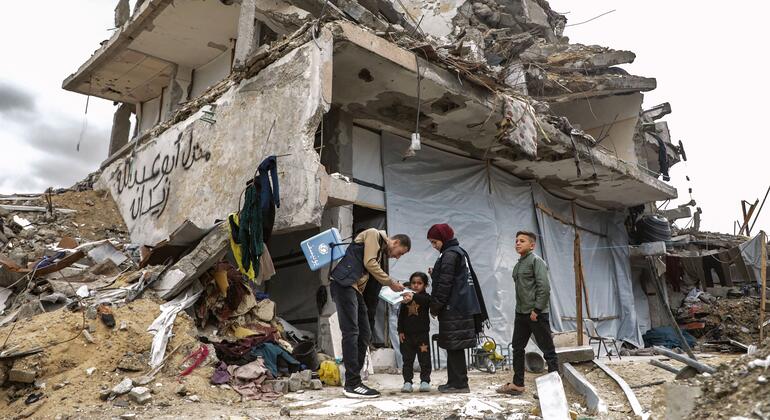
A dire warning from UNICEF highlights the ongoing tragedy in Gaza, where, on average, a child has been killed each day for over eight months. “That is an absurd and devastating figure,” stated UNICEF spokesperson James Elder, underscoring the severity of the situation.
Children Lost in Daily Life
Elder further explained that these young lives were lost not in active combat zones, but tragically within their homes, schools, or during ordinary activities such as playing football or fishing. The fatalities resulted from Israeli military actions, including shootings, bombings, and quadcopter attacks.
These child deaths add to the nearly 1,000 Palestinian fatalities and over 3,100 injuries reported in Gaza by health authorities since the commencement of the ceasefire. Elder emphasized the extreme risks, noting that proximity to the “Orange Line,” referring to shifting Israeli occupation boundaries, could lead to being shot.
Accountability Gap Fuels Fatalities
The instability of these shifting boundaries, combined with a “complete lack of accountability,” is identified as a primary driver of the high death toll. UNICEF’s estimates indicate that Israeli forces are implicated in over 90 percent of these killings.
The United Nations and its partner organizations have consistently voiced concerns over the devastating humanitarian consequences of the conflict, which began in October 2023 following Hamas-led attacks on Israel. Currently, no hospital in Gaza is fully functional. UNICEF reports that 1.1 million children face daily uncertainty regarding access to safe drinking water. Elder poignantly described the distress of mothers whose children suffer from skin conditions due to the lack of clean water, stating, “Imagine a parent unable to fix that night after night.”
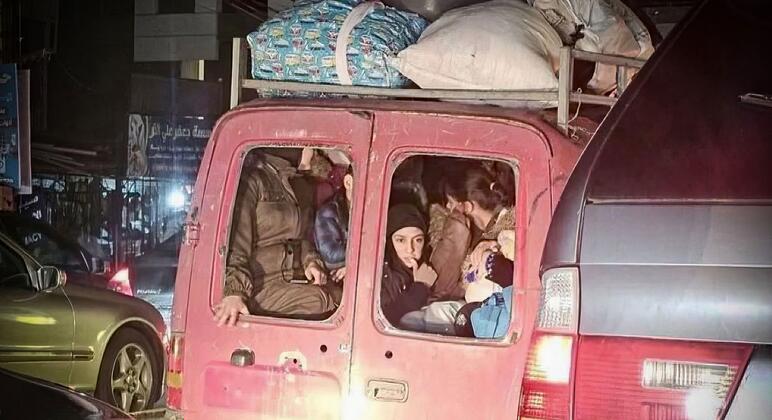
The scale of human suffering is immense, with approximately 1.9 million people displaced within Gaza, often multiple times, and over 1.2 million having lost their homes. Despite reported improvements in aid mission approval rates, essential resources like safety, shelter, clean water, healthcare, and education remain largely inaccessible to many Palestinians.
UN officials also pointed to persistent challenges in aid delivery, including Israeli restrictions on spare parts for generators and the fuel needed for their operation. This situation hampers aid workers’ ability to provide basic necessities “without a semblance of dignity.” The accumulation of solid waste, stemming from a lack of clearance operations, presents another significant issue, contributing to unsanitary living conditions.
Escalating Violence Impacts Lebanon
The situation in Lebanon is also critical, with reports of substantial casualties resulting from Israeli airstrikes targeting Hezbollah operatives. UN officials have expressed profound concern, stressing that “more fighting is not going to help anyone.” The ongoing hostilities intensify the already severe humanitarian needs in Lebanon, particularly in the southern regions. The ease with which damage can be inflicted stands in stark contrast to the protracted and challenging humanitarian efforts required to rebuild livelihoods and restore essential services.
UNICEF reports that over 770,000 children in the region are experiencing heightened distress due to repeated exposure to violence, loss, and displacement.