

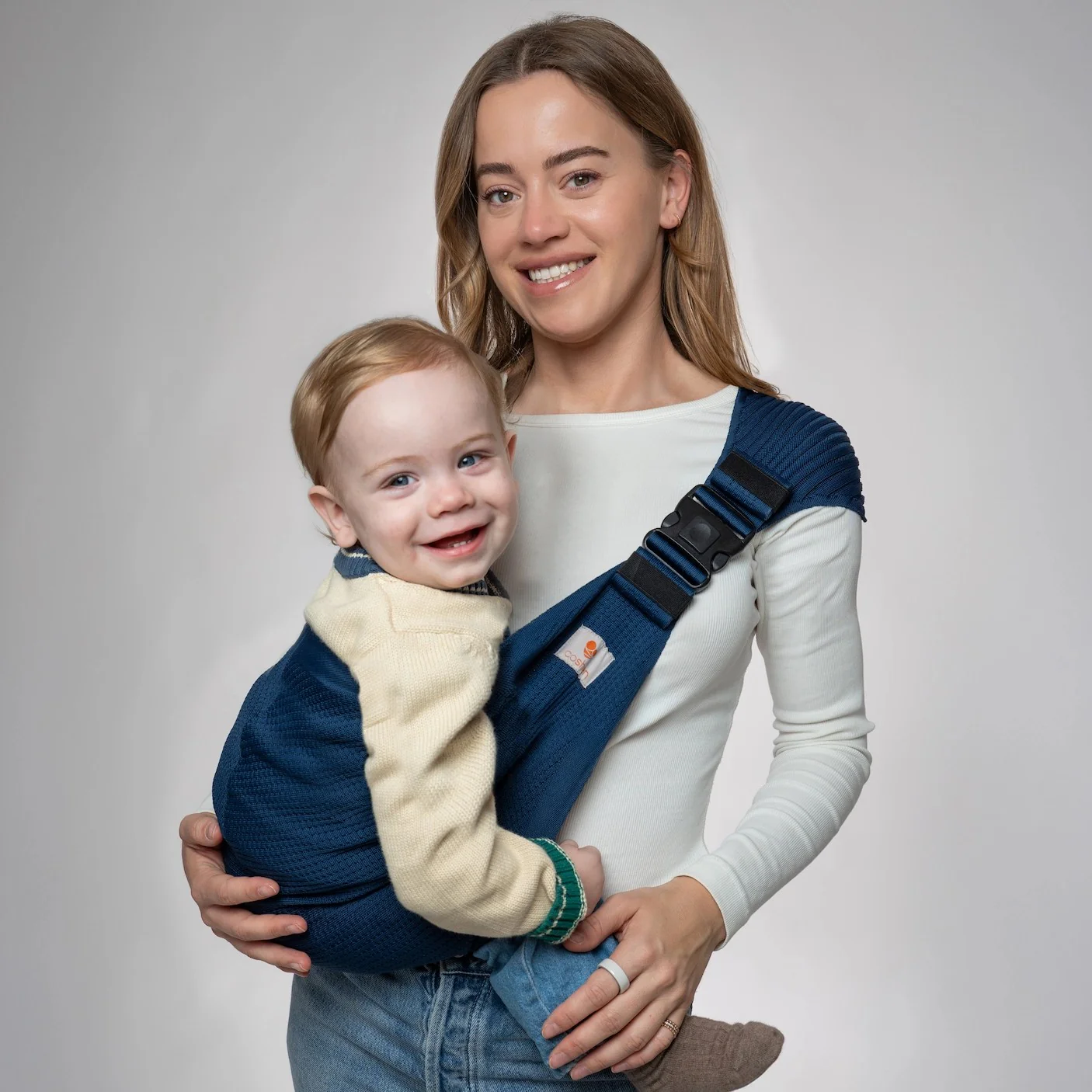
As toddlers become more independent, parents often face a common challenge: balancing a child’s growing desire to explore with their ongoing need for comfort, reassurance, and physical closeness.
Every parent knows the moment when a toddler suddenly decides they’re too tired to walk another step. One minute they’re running ahead with endless energy, and the next they’re reaching up to be carried.
While many toddlers enjoy walking on their own, they can quickly become tired during family outings, shopping trips, travel days, or long walks. As a result, parents frequently find themselves carrying a child who is no longer a baby but still not ready to walk everywhere independently.
This everyday reality is one of the key reasons why the global baby carrier market continues to expand. According to market research published by Grand View Research, demand for ergonomic babywearing solutions continues to grow as parents increasingly prioritize comfort, mobility, and convenience in their daily routines.
The Challenge of Carrying a Growing Toddler
Unlike newborns, toddlers are heavier, stronger, and significantly more active. One moment they are eager to explore their surroundings, and the next they want the comfort and security of being carried.
For many parents, repeatedly lifting and carrying a growing child can place considerable strain on the back, shoulders, neck, and arms. The challenge becomes even more noticeable during vacations, airport transfers, crowded events, theme park visits, shopping trips, or outdoor adventures where strollers may not always be practical.
As children grow, comfort becomes just as important for parents as it is for the child being carried.
Why Ergonomic Design Matters
Child-carrying specialists and pediatric ergonomics professionals often recommend carrying solutions that distribute a child’s weight across the hips and waist rather than concentrating pressure on the shoulders alone.
Proper hip positioning and balanced weight distribution are widely recognized as important factors in reducing caregiver fatigue while supporting a child’s natural posture and comfort. This becomes particularly valuable during extended periods of carrying, whether at home or while traveling.
A well-designed toddler carrier typically focuses on several important ergonomic principles:
- Balanced weight distribution
- Comfortable seating support
- Adjustable waist support
- Breathable materials
- Secure positioning
- Freedom of movement for both parent and child
These features can significantly improve comfort, particularly for families who carry their toddlers frequently throughout the week.
The Growing Popularity of Toddler Hip Carriers
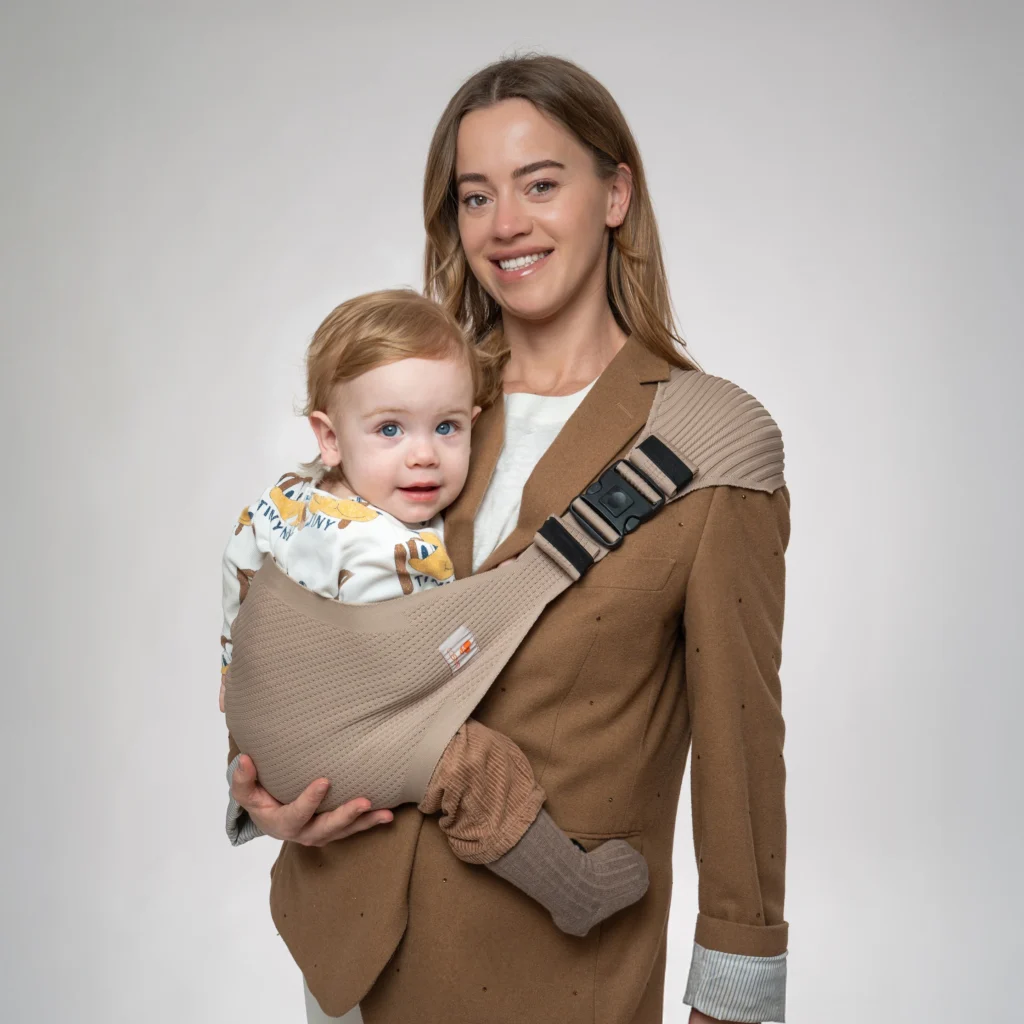
Among modern carrying solutions, the toddler hip carrier has become one of the fastest-growing categories.
Unlike traditional carriers that rely heavily on shoulder straps, a hip seat carrier transfers much of the child’s weight to the parent’s waist and hips. This approach can help reduce upper-body strain while providing quick access when toddlers frequently alternate between walking independently and wanting to be carried.
Many families choose a toddler hip carrier because it offers:
- Faster pick-up and put-down convenience
- Better overall weight distribution
- Greater comfort for daily use
- Improved mobility compared to bulky strollers
- Practical support for travel and outdoor activities
For active families, this combination of flexibility and convenience can make a significant difference during everyday routines.
Common Situations Where Parents Use a Toddler Carrier
A travel toddler carrier can be particularly useful in situations where mobility matters.
Parents often rely on carrying solutions during:
Family Travel
Airports, train stations, sightseeing destinations, and long travel days frequently require parents to move quickly while keeping their child close and secure.
Outdoor Adventures
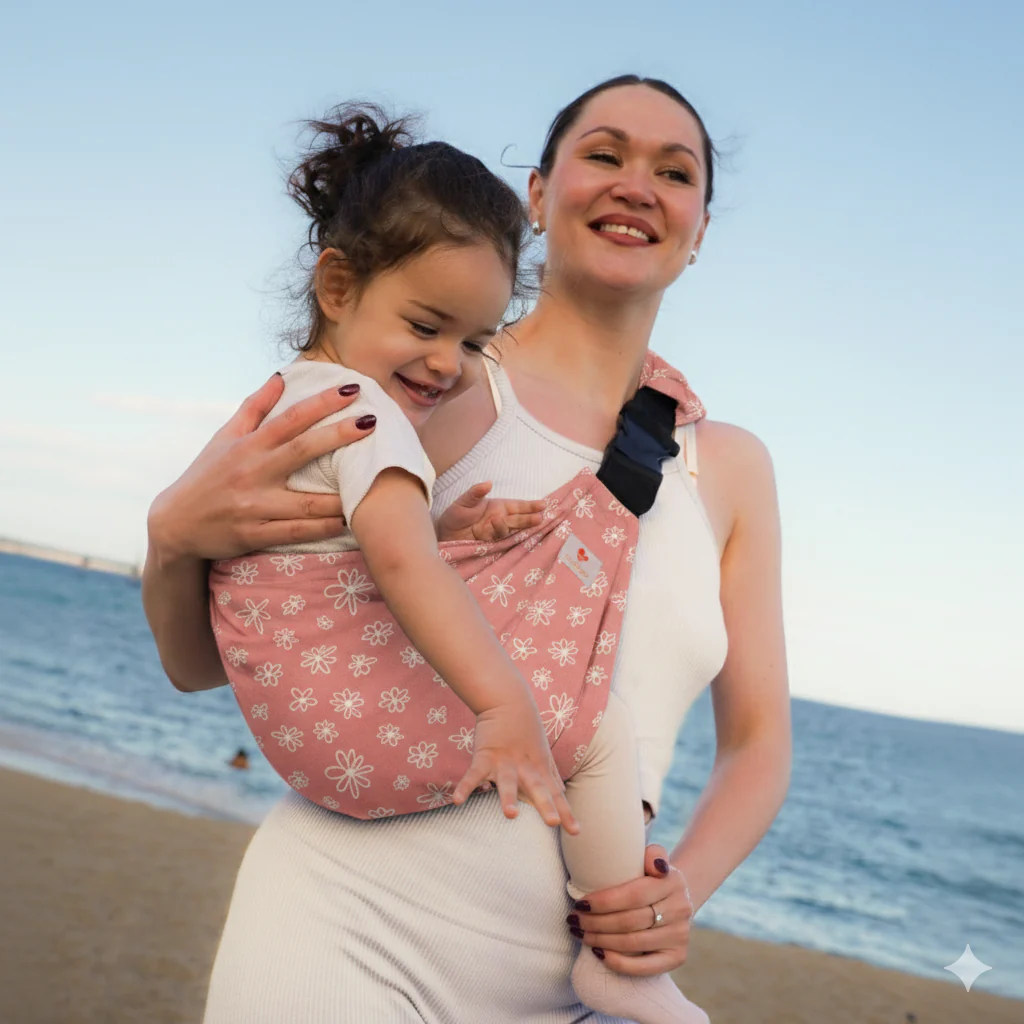
Hiking trails, parks, beaches, and nature walks are often easier to navigate with a lightweight toddler carrying solution than with a stroller.
Everyday Errands
Grocery shopping, school pickups, city walks, and busy public spaces can become much more manageable when parents have a comfortable carrying option available.
What to Look for in a Toddler Carrier
Not all carriers are designed with older babies and toddlers in mind.
When comparing different options, parents should consider:
- Ergonomic toddler carrier design
- Comfortable weight distribution
- Safety and stability
- Durable construction
- Breathable fabrics
- Ease of adjustment
- Long-term usability
The best solution is one that adapts to a family’s lifestyle while providing consistent comfort as a child grows.
Supporting Comfort for Both Parent and Child
A high-quality toddler carrier should do more than simply hold a child.
It should help support healthy positioning, encourage comfort during extended use, and reduce unnecessary physical strain on caregivers.
Similarly, a toddler should feel secure and supported without feeling restricted. Proper seating design, ergonomic support, and thoughtful construction contribute to a more enjoyable carrying experience for everyone involved.
Why More Families Are Exploring Modern Carrying Solutions
Parenting today often involves balancing convenience, flexibility, and mobility. As children become more active, families increasingly seek products that can adapt to changing routines without compromising comfort.
Parents researching ergonomic carrying solutions often compare various styles, including traditional carriers, hip seat carriers, travel toddler carriers, and other toddler carrying solutions before deciding which option best fits their needs.
Many eventually discover that a well-designed toddler carrier or toddler hip carrier provides an ideal balance between freedom of movement, comfort, and practical everyday support.
As more parents compare different toddler carrying solutions, brands such as Coshen have focused on developing ergonomic products that combine comfort, portability, and everyday practicality. Rather than replacing strollers entirely, these solutions give families greater flexibility during travel, daily errands, and active lifestyles where quick and comfortable carrying becomes essential.
As toddlers continue to explore the world around them, having a reliable carrying solution available remains one of the simplest ways to maintain connection, comfort, and mobility throughout the day.