
Despite a global push to combat plastic pollution, where only 10% of all plastics produced are recycled, leading to devastating impacts on marine life, sustainable alternatives face significant hurdles. Each year, approximately 52 million tons of plastic waste enter oceans, affecting over 4,000 marine species, with large animals like blue whales potentially ingesting 10 million microplastic particles daily.
The World Ocean Assessment highlights the critical need for material innovation, increased alternatives to single-use plastics, and reduced production to mitigate plastic pollution. International efforts are underway, with a global plastic treaty to limit production and curb the $1.1 trillion plastic industry being negotiated. The next round of discussions is scheduled for March 13-24, 2027.
Tariffs Hinder Sustainable Alternatives
A primary obstacle for sustainable alternatives competing with conventional plastics is cost. While trade in plastic substitutes reached $485 billion in 2023, growth is hampered by tariffs, non-tariff measures, limited market access, and weak regulatory incentives. The UN Conference on Trade and Development (UNCTAD) identifies imbalances in trade policies as a major impediment. Historically, tariffs on plastic and rubber products have decreased from 34% to 7.2%, whereas alternatives like paper, bamboo, natural fibers, and seaweed face average tariffs of 14.4%. This disparity undercuts the competitiveness of eco-friendly options. UNCTAD notes that plastics have benefited from decades of market maturity, economies of scale, infrastructure, and favorable trade conditions.
Challenges for Biodegradable Materials
Another challenge for alternatives lies in the specific conditions required for biodegradable materials to decompose, conditions often absent in marine environments. Ian Butler, co-lead editor of the World Ocean Assessment, points out that many new biodegradable plastics break down only under industrial composting conditions—controlled temperature, humidity, and microbial communities—and thus do not behave the same way in oceans. Furthermore, concerns exist that some plant-based plastic substitutes could compete with land use for food production, leading to broader environmental impacts. Butler cautions that the belief these biodegradable and plant-based plastics are a panacea is misleading.
Pathways to Competitiveness for Alternatives
According to UNCTAD, for sustainable alternatives to compete with plastics in scale and market share, several key steps are necessary: rebalancing tariffs and non-tariff measures, reducing supply risks for non-plastic materials, investing in new materials with rewards for environmental benefits, and developing infrastructure for sustainable scaling. Although these changes may incur upfront costs, UNCTAD believes the long-term environmental benefits and socioeconomic value, including job creation, foreign exchange earnings, and regional development, will offset these costs.
Rising Energy Costs Could Accelerate Transition
Fluctuations in the prices of fossil fuels, the primary feedstock for plastics, directly impact plastic costs and availability. For instance, following the closure of the Strait of Hormuz, a strategically vital waterway, between February and April 2026, the price of polyethylene, a widely used plastic resin in European markets, reportedly surged by 70-80%. This volatility has created momentum for alternatives based on renewable resources.
Oceans Offer a Solution: Seaweed
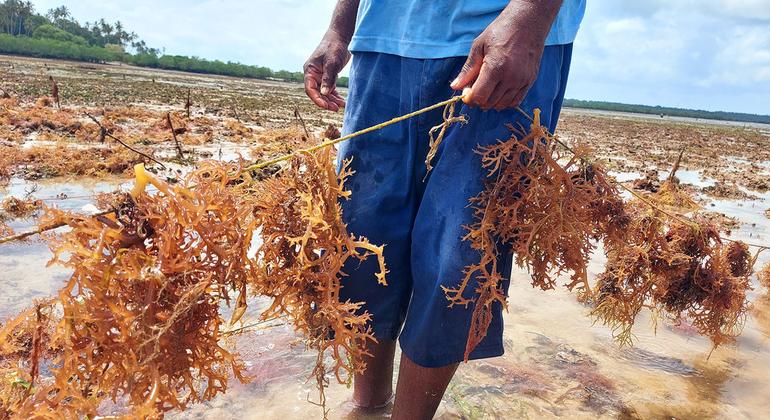
Given that oceans are the most affected ecosystem by pollution, a part of the solution may emerge from the ocean itself. Seaweed-based materials, which are fully compostable, show promise as a plastic alternative, particularly in the packaging sector. Seaweed’s advantage lies in its rapid renewability, requiring no freshwater, fertilizers, or agricultural land. Global seaweed production has tripled in the last two decades, with exports reaching $3.9 billion in 2022. Ben Taylor suggests that as seaweed-based products gain adoption, economies of scale will develop, making these sustainable solutions more competitive.
Regulatory Gaps Slow Seaweed Trade
However, challenges also affect seaweed trade. The lack of clear and harmonized regulations surrounding seaweed, especially for novel uses not clearly defined within international trade systems, complicates compliance for exporters. In 2022, only 0.75 million tons of the 36.3 million tons of seaweed produced entered international trade. This increases compliance costs for small businesses aiming to leverage seaweed abundance in developing coastal nations, thereby limiting their export capabilities.
Optimism and Shifting Momentum
Without stronger incentives, clearer regulations, and improved market access, sustainable alternatives will continue to struggle against conventional plastics. However, shifting momentum and public pressure can accelerate this transition. Consumer demand for better solutions, businesses setting ambitious sustainability targets, and policymakers implementing regulations to reduce unnecessary plastic waste are creating a positive global impetus, according to Taylor.