
At the request of the Lebanese government, UNESCO has placed 39 World Heritage sites under “enhanced protection.” The United Nations Educational, Scientific and Cultural Organization (UNESCO) is taking steps to safeguard such sites during times of conflict.
Living Heritage Under Threat
UNESCO has repeatedly warned about the impact of conflicts on the region’s rich and diverse cultural heritage. Since the onset of hostilities, reports of damage have been received in over 20 different cultural sites, including World Heritage Sites and other structures of national importance. UNESCO verifies these reports through satellite imagery and on-site assessments.
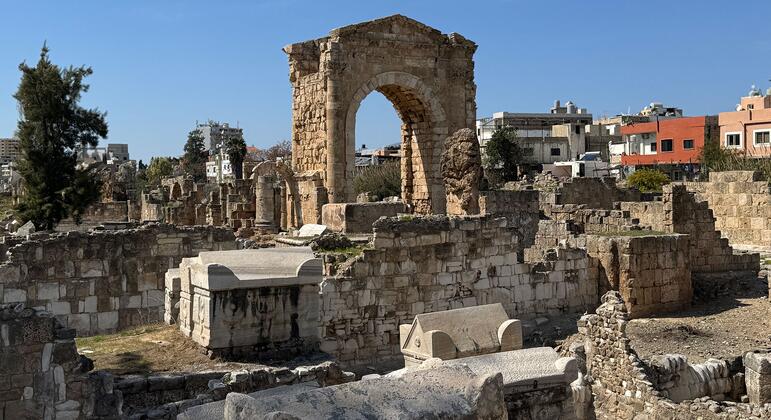
The organization reported damage in Iran at a synagogue, the Golestan Palace, Sa’dabad Palace, and the ancient Senate Palace, as well as in the city of Tyre in Lebanon. Krista Pikkat, Director of UNESCO’s Culture and Emergencies Entity, stated, “What is under threat is the living heritage of communities.”
Understanding ‘Enhanced Protection’
Lebanon has the highest number of sites, with 39 locations, on UNESCO’s “enhanced protection” list. Pikkat explained, “Enhanced protection is the highest level of international legal protection available under the Second Protocol to the 1954 Hague Convention.” This protection is granted to sites of the greatest importance for humanity and provides the highest level of immunity from military attack.
Any state or party that fails to comply with the convention may be considered to have committed a war crime. In Lebanon, UNESCO works closely with authorities, particularly the Directorate General of Antiquities, providing technical advice and support for urgent cultural heritage protection. This includes training, emergency inventories, protective measures, evacuation guidelines for portable heritage, and marking protected sites with the Blue Shield emblem.
More Than Just Bricks and Mortar
UNESCO calls for the protection of educational, cultural, media, and scientific institutions during times of conflict. It is stated that these institutions form the foundations for future societies. During wartime, culture and heritage are emphasized as defining identity and providing comfort and support to communities.
UNESCO notes that targeting these fundamental societal building blocks deepens trauma, fuels hatred, and hinders recovery and dialogue. Pikkat added, “We should not see culture merely as fragile and in need of protection. Culture is also a source of resilience. It is also an economic asset for recovery and peacebuilding.”