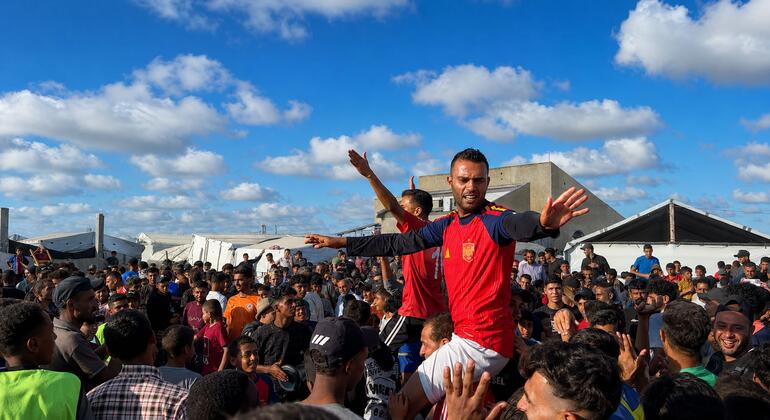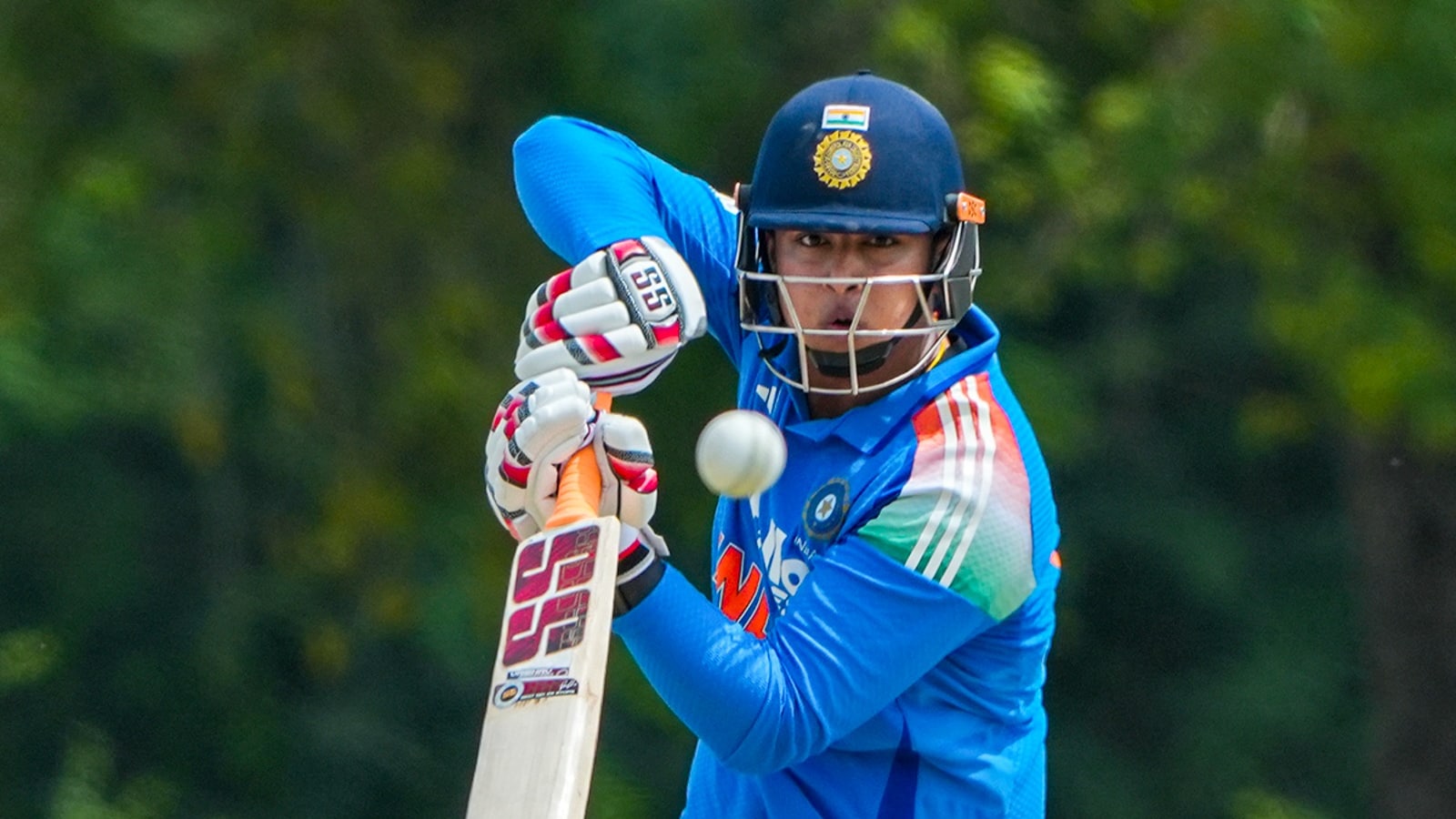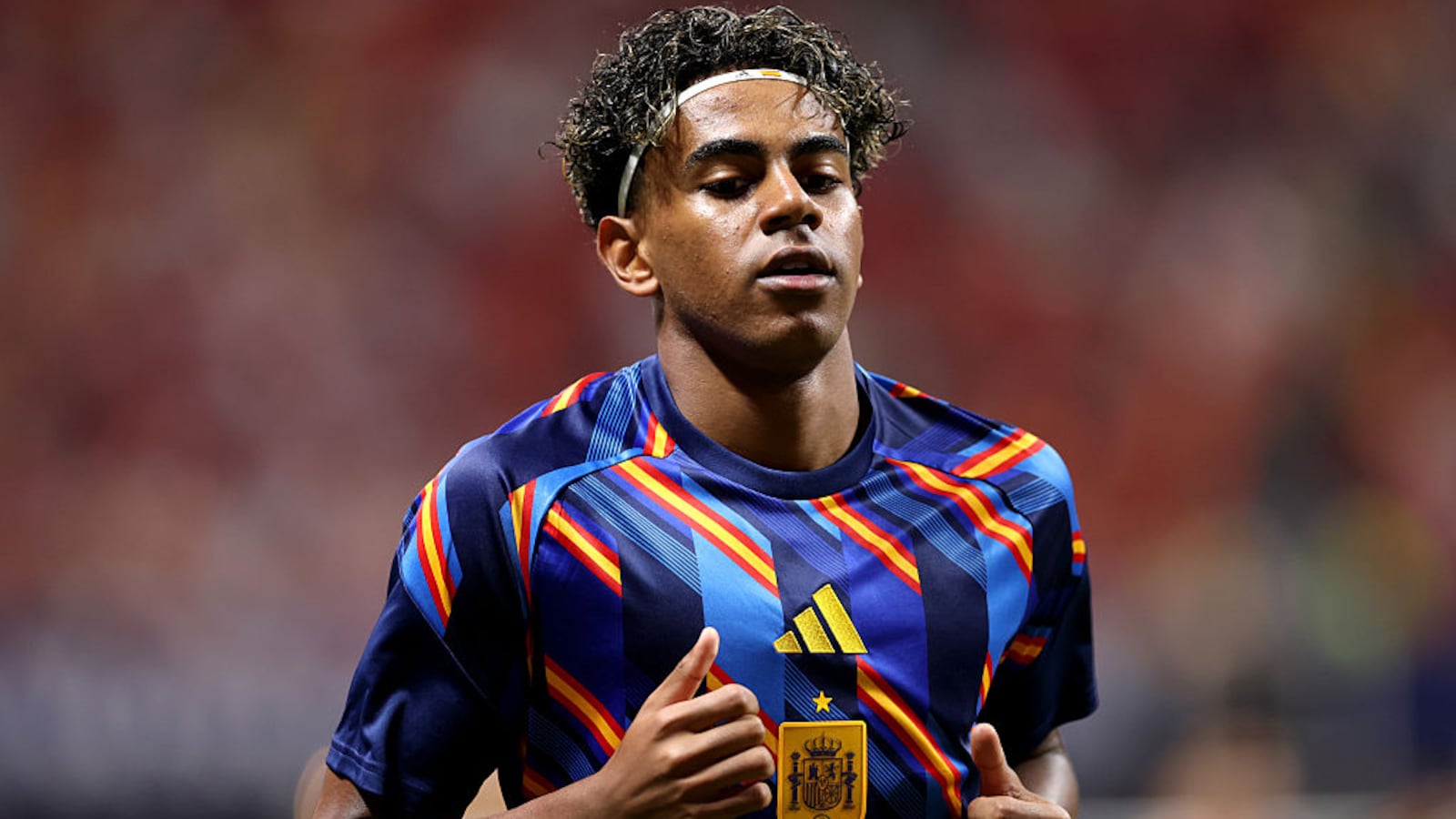

While elite footballers will capture headlines this summer, sports possess a transformative influence within every society. They connect communities across borders and generations, fostering dialogue, solidarity, and mutual respect.
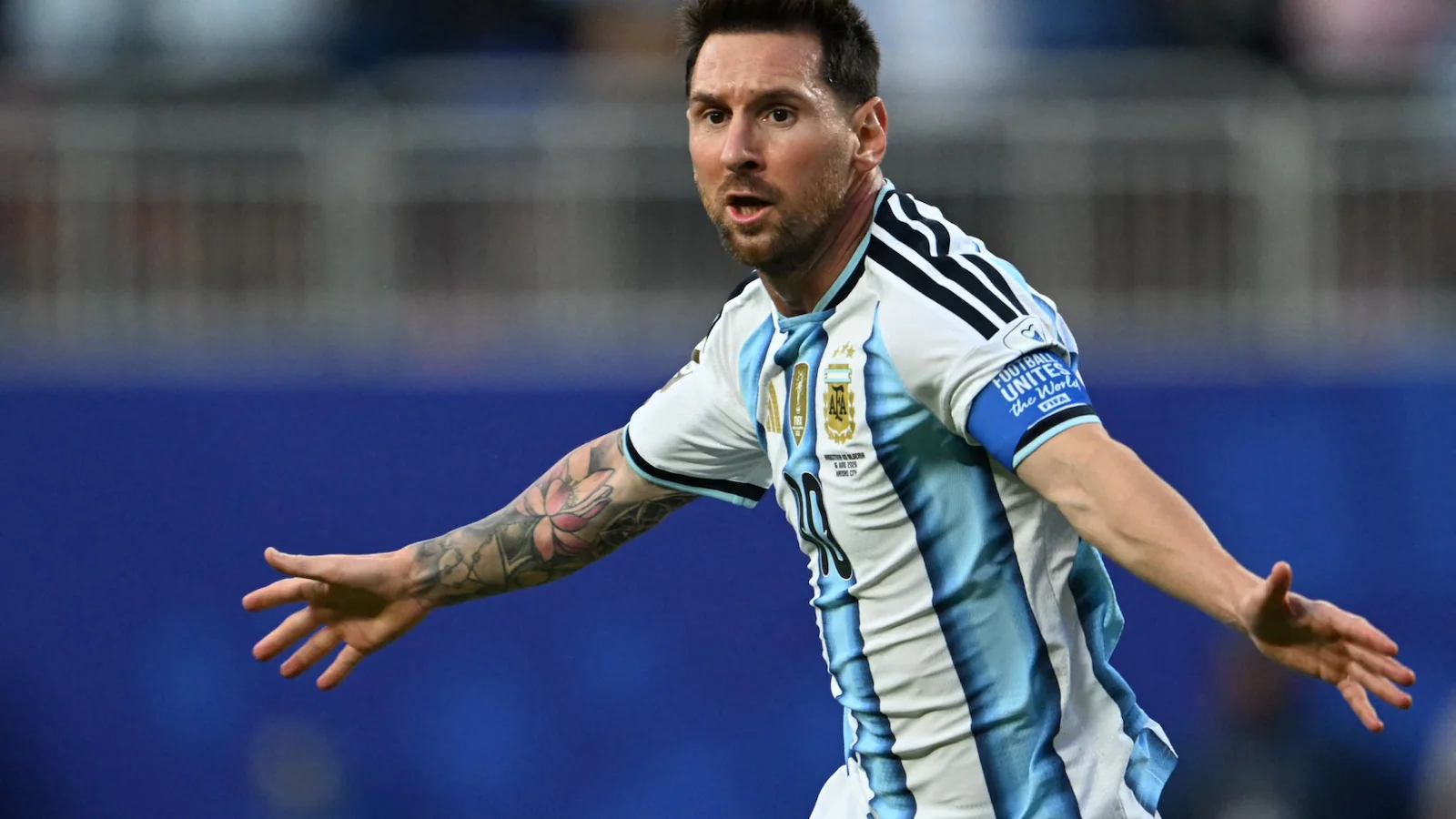
In less than two months, the world’s largest sporting event will commence in Mexico City, anticipated to be watched by billions globally. From June 11 to July 19, the World Cup will feature 48 national teams competing in 104 matches across Mexico, Canada, and the United States.
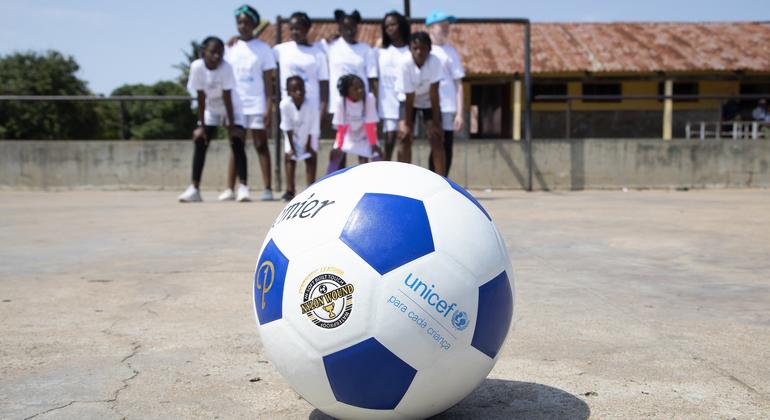
In host cities, a program named Play Collective will provide funding and support to community sports organizations, creating safe spaces for disadvantaged youth. This initiative is a collaboration between the Adidas Foundation, Beyond Sport foundation, and Common Goal, which has established a global network of community-based organizations serving 3.6 million young people annually.
Creating Space for Each Other
Mary Connor, Executive Director of Common Goal, was a keynote speaker at the Building Bridges, Breaking Barriers event on April 6. This annual event celebrates the International Day of Sport for Development and Peace, highlighting sports’ transformative power in driving social change, advancing the Sustainable Development Goals, and uniting people and communities worldwide.
Connor drew parallels between football, where supporting teammates is central to success, and the United Nations, which she described as a place where “we come together across cultures and differences that isolate us” and “create space for each other to find a way forward.”
Nawal El Moutawakel, Trailblazing Olympian
In two years, the United States will host another massive sporting spectacle: the 2028 Summer Olympics in Los Angeles. Trailblazing athlete Nawal El Moutawakel was a star of the last Olympics held in LA. In the 1984 Games, she became the first Moroccan, African, Arab, and Muslim woman to win an Olympic gold medal in the 400-meter hurdles.
Her Olympic victory is seen as a turning point, inspiring Moroccan women to pursue sports, previously considered a male-dominated domain. El Moutawakel, who has received numerous international honors for her contributions to sport and social progress, currently serves as Vice President of the International Olympic Committee.
Overcoming Life’s Hurdles
Speaking at Wednesday’s event, El Moutawakel compared her discipline to the challenges she faced early in her athletic career. “My race was the 400-meter hurdles, a race with a start and a finish, and 10 hurdles in between,” El Moutawakel stated. “For me, these were life’s hurdles that taught me discipline, coordination, determination, and passion. You fail sometimes, but I never gave up.”
She noted the progress made, pointing to the IOC President being a woman for the first time in 100 years (Kirsty Coventry is also the first African to hold this position) and women making up 50% of the organization at all levels. El Moutawakel and Connor were joined by prominent young athletes who shared how sports have positively impacted their lives. Among them was Ailyn Lopez, a youth leader with Street Child United, who overcame mental health challenges through football and now uses sports to support young people experiencing homelessness or extreme poverty.