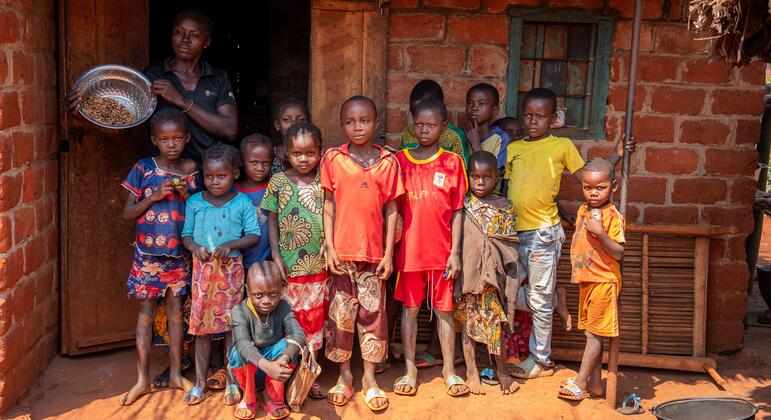

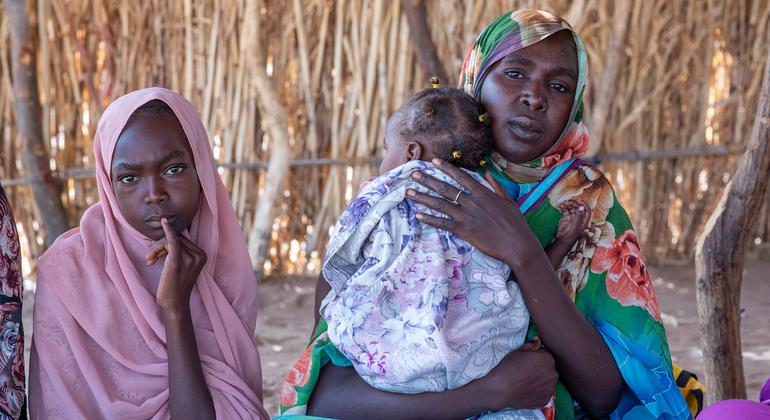
Fabrizia Falcione, the UN Population Fund (UNFPA) Country Representative for Sudan, has shared critical findings regarding the insecurity faced by women and girls in conflict-affected areas of the country. The assessment, based on 95 focus group discussions across 16 states involving approximately 1,000 women and girls, highlights widespread feelings of vulnerability.
Falcione stated that 76% of women aged 25-49 reported feeling unsafe not only within displacement camps and settlements but also in external locations such as markets, water points, firewood collection areas, roads, and streets. This sense of insecurity is amplified during nighttime, particularly when women venture out to use latrines. “They feel unsafe wherever they are, and it’s not about a few incidents or a few places,” Falcione emphasized.
Displacement, Violence, and the Perils of Darkness
As Sudan’s conflict enters its fourth year, the fighting between the Sudanese Armed Forces (SAF) and the Rapid Support Forces (RSF) continues unabated. Falcione observed during her visits across the country that many women have been living under constant artillery fire and active conflict for months. She added that numerous women have been displaced multiple times and have either directly experienced or witnessed immense violence against their families and community members.
Furthermore, women encounter significant hardships during their journeys, including harassment, sexual violence, various forms of physical assault, and severe shortages of food and water. “The path to safety is actually not safe at all,” Falcione remarked, noting that women in displacement areas continue to feel insecure even within the camps.
Falcione recounted visiting displacement camps, where women and children constitute the vast majority, and described how women, including pregnant individuals, are forced to navigate completely dark camps at night to reach latrines that lack any lighting. She also highlighted that reporting incidents of gender-based violence is exceedingly difficult due to stigma, fear of retaliation, financial constraints, and the distance from service providers.
Understanding Women’s Needs
In response to what Sudanese women need most, Falcione indicated that for three-quarters of them, the primary priority is economic empowerment and livelihood opportunities. Women expressed a strong desire to return to their homes. Falcione summarized the women’s demands as “three things: access to basic services and healthcare; access to schools, especially for their children; and livelihood opportunities.” She stressed that women are not looking for handouts but for opportunities to earn income and provide for their families and children.
However, a critical question remains about the adequacy of financial support to meet these needs, especially when current funding for the protection and health sectors stands at a mere 14% and 11% respectively. “We keep hearing about a protection crisis, a health crisis, that particularly affects women and girls, but the funds are not flowing in line with that recognition and the identified needs,” Falcione stated.
Safe Spaces and Essential Services
The UNFPA manages 88 safe spaces across Sudan for women and girls. These spaces provide a crucial environment where women find the courage to speak, share their experiences of violence, seek assistance, and access the services they desperately need. Despite their importance, funding shortages pose significant challenges to sustaining these operations. Falcione shared a testimony from a girl who felt safe in these spaces because she could spend time with her friends as she did before the war. The seasoned humanitarian urged the international community not to abandon the people of Sudan, stating, “I think this is a very important message that the world needs to hear.”