

Why Pre-Yoga Nutrition Matters
Yoga involves a series of stretches, twists, and balancing poses that can put pressure on your stomach. Therefore, what and when you eat before a yoga class is as crucial as the practice itself. You don’t want to enter a session feeling overly full after a heavy meal or be distracted by hunger pangs on an empty stomach. The right pre-yoga meal can significantly enhance your practice.
Timing Your Intake
The timing depends on the quantity of food. If you’re having a full meal, aim to finish at least two to three hours before your class. This allows your body sufficient time for digestion while providing sustained energy for your practice. For early morning yoga sessions or when time is limited for a full meal, a small snack 30 to 60 minutes prior is usually effective. Many yoga instructors also advise listening to your body’s signals.
Best Foods for Pre-Yoga Fuel
- Bananas: Easily digestible, naturally sweet, and offer carbohydrates that the body can quickly convert into energy.
- Yogurt with Fruit: A small bowl of yogurt topped with berries, mango, or sliced bananas provides a combination of carbohydrates and protein, remaining light enough for most yoga sessions.
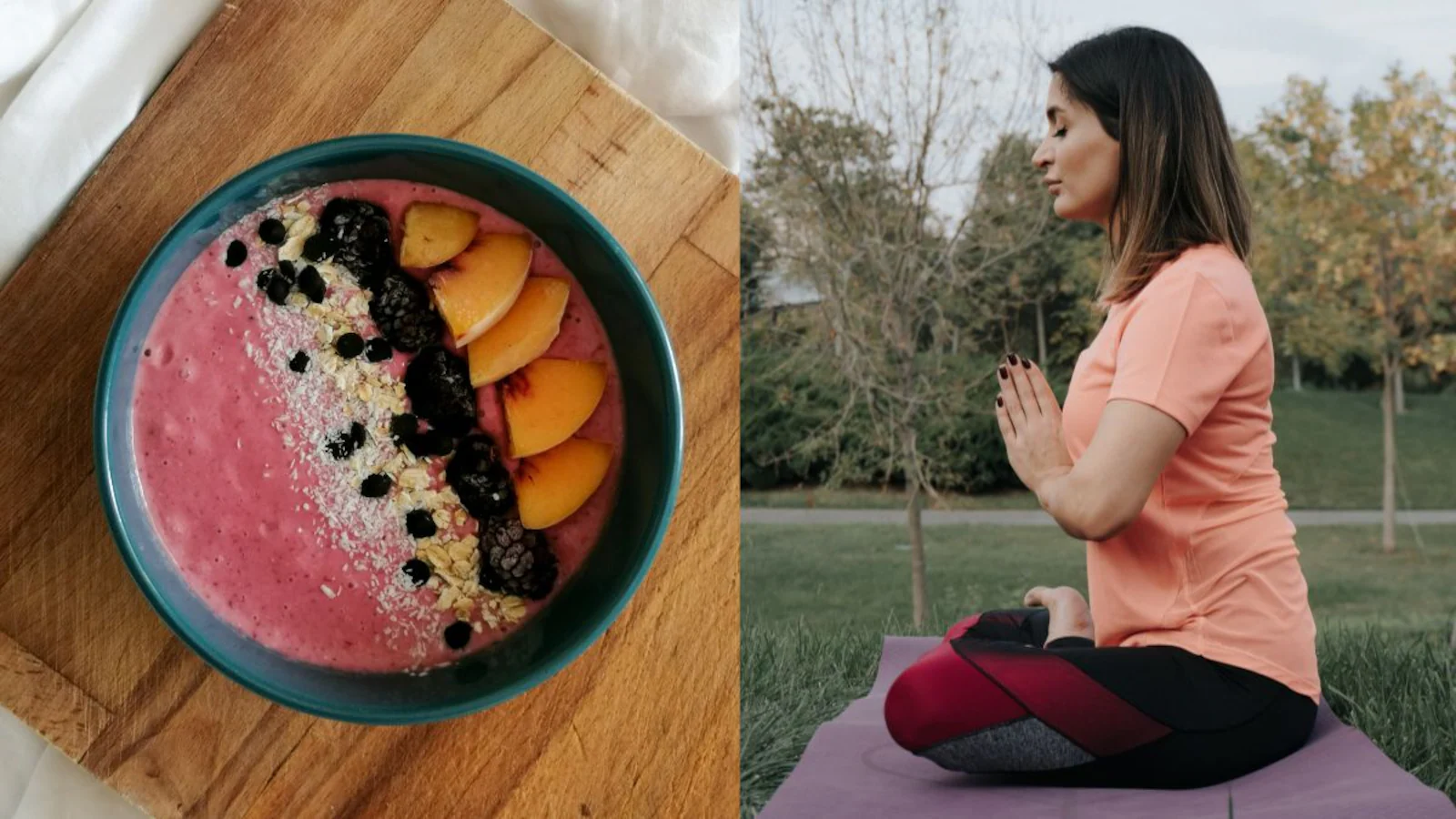
- Smoothies: An excellent alternative for those who prefer not to eat solid food in the morning. A smoothie made with banana, milk or yogurt, and a few berries is a quick and easily digestible snack.
- Fresh Fruits: Options like apples, grapes, oranges, papaya, and watermelon are refreshing choices. They provide hydration and natural sugars while being gentle on the stomach.
Foods to Avoid Before Class
- Heavy and Fried Foods: These take a long time to digest and can make you feel sluggish.
- Large Meals: Consuming too much food can make even simple poses uncomfortable.
- Very Spicy Foods: May lead to heartburn or digestive discomfort.
- Excessively Sugary Snacks: While they offer a quick energy boost, they can result in a subsequent energy crash.
Morning Yoga on an Empty Stomach?
Many traditional yoga practitioners prefer this. Some enjoy the sense of lightness that comes with an empty stomach and find it easier to move between poses. However, there’s no strict rule that everyone must practice this way. Hydration is as vital as food; even mild dehydration can impact concentration, balance, and overall performance. The ideal pre-yoga meal varies from person to person. The key is to find what helps you feel energized, comfortable, and fully present on your mat.