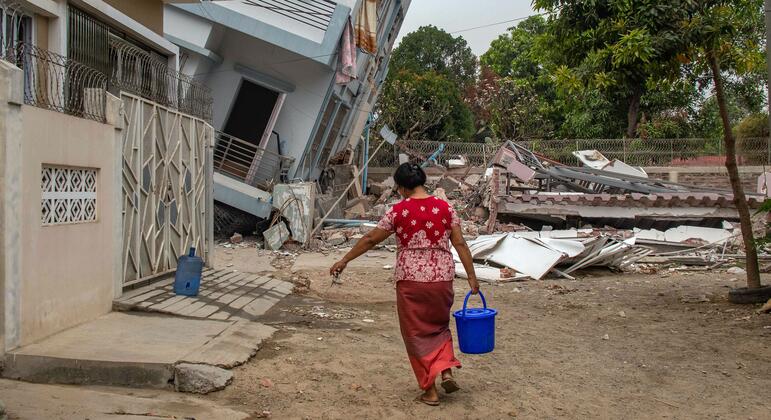

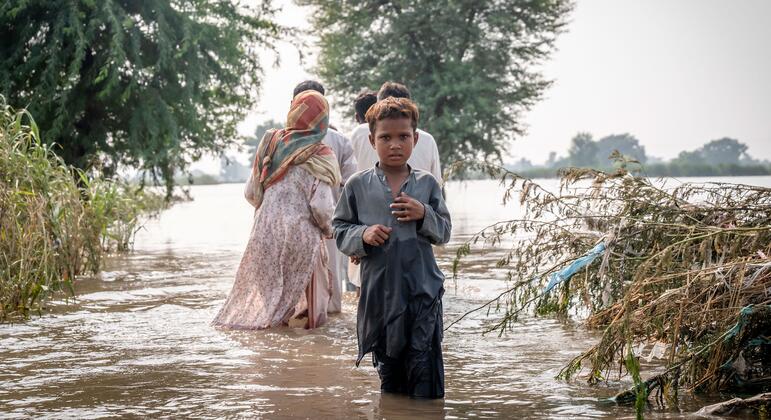
Approximately 1.25 million people in Pakistan are projected to experience ’emergency’ levels of acute food insecurity between December 2025 and March 2026, indicating significant food deficits and high rates of acute malnutrition. According to a report by the Integrated Food Security Phase Classification (IPC), urgent life-saving assistance is crucial to avert a catastrophe for over a million individuals in this critical situation.
Drivers of the Crisis
The lingering effects of the 2025 monsoon floods, compounded by drought conditions and local security issues, have severely impacted agricultural and livestock livelihoods. These factors have led to reduced production, disrupted markets, and strained coping mechanisms. Seasonal influences also contribute to the crisis, with the ‘lean season’ from December to February typically reducing agricultural labor and income opportunities. In some areas, harsh winter conditions further restrict access and livelihoods. Weak purchasing power, market dependency, price volatility, and indebtedness are key factors negatively affecting food access. Access to wheat flour during the lean season is a particular concern.
Regional Disparities in Food Access
Variations in conditions have resulted in more concentrated hunger in specific regions. The IPC analysis, covering 45 vulnerable districts and approximately 15% of Pakistan’s total population, found that Balochistan province bears the highest proportional burden, with 25% of the analyzed population facing at least high levels of food insecurity. In Sindh province, over 3 million people are experiencing high levels of food insecurity, with populations in Musakhel, Zhob, Kachi, Tank, and Torghar districts disproportionately affected, with 30% of their residents struggling with at least high food insecurity.
Outlook for Recovery
For the period of April to September 2026, the report forecasts that 6.7 million people will face high levels of food insecurity or worse, representing a decrease of 855,000 individuals compared to the current period. While factors such as high staple food prices, climate risks, insecurity, and cross-border trade disruptions are expected to persist, seasonal factors like the winter crop harvest and animal sales related to Eid al-Adha may offer temporary relief. However, the report cautions that comparisons with the previous year may be misleading due to a reduced geographical scope, with the analysis now covering 45 districts compared to 68 previously. The prevalence of severe malnutrition remains at similar levels.
Recommendations for Intervention
To reduce food consumption gaps and protect lives, the report calls for increased access to adequate and nutritious food through appropriate distribution methods, including cash and voucher assistance, alongside targeted in-kind food distributions.