
Millions worldwide are being pushed into poverty due to escalating global energy and trade disruptions, the United Nations Economic and Social Council (ECOSOC) warned during a special meeting on Friday. The discussions centered on the urgent need to protect energy and trade flows amidst significant volatility impacting global fuel markets, shipping routes, and critical supply chains.
ECOSOC President Lok Bahadur Thapa highlighted the interconnected nature of the crisis, stating, “This is not just an energy problem. It is a development problem. It is a financing problem.” He further emphasized, “Above all, this is a test of our collective ability to deliver on our commitment to the 2030 Agenda,” referring to the UN’s plan adopted in 2015 to end poverty, reduce inequality, and protect the planet by 2030.
Fuel Costs Surge Amidst Disruptions
Developing countries are facing intensified pressure from rising fuel and transportation costs, trade disruptions, and tightening financial conditions. Nations burdened by high debt and dependent on imported food and energy are particularly vulnerable to these global shocks.
UN projections suggest that global fuel prices could more than double their 2025 average if current disruptions persist. Fertilizer prices are also expected to remain elevated, between 15% to 20% higher in the first half of 2026. These impacts are already leading to increased food prices and a higher cost of living for households globally.
Thapa cautioned, “We are facing the risk of more than 32 million additional people globally being pushed into poverty as a result of the combined shock of rising energy prices, higher food costs, and weakening economic growth.”
Women and Youth Face Disproportionate Impact
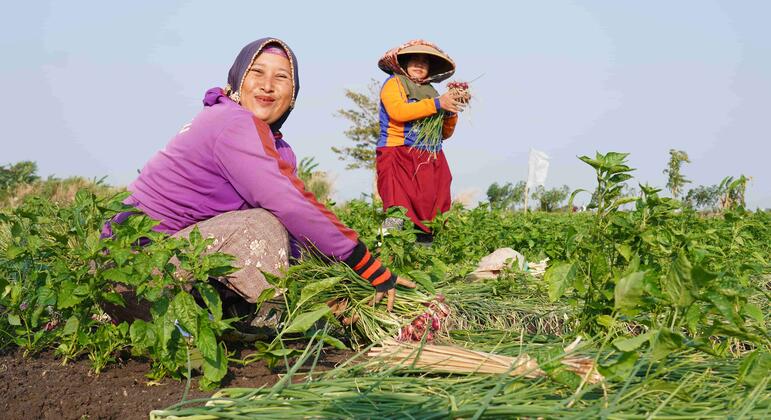
The escalating costs of food and energy disproportionately affect women, children, and young people, particularly in households where essential needs consume a significant portion of income.
Li Junhua, UN Under-Secretary-General for Economic and Social Affairs, warned that the instability in energy and supply flows is straining an already fragile global economy, exacerbating inflation, and reducing governments’ capacity for crucial investments.
“Therefore, safeguarding energy and supply flows is not just an economic imperative; it is fundamental to ensuring inclusive and sustainable development,” Li stated. He outlined four key action areas: maintaining open and predictable energy and commodity markets; increasing affordable financing for developing nations; investing in resilient and sustainable energy systems; and accelerating progress on Sustainable Development Goal 7, which focuses on access to affordable, reliable, and sustainable energy.
‘Energy is Medicine, Food, Dignity’
Prime Minister Mia Mottley of Barbados underscored the severe impact on small island economies, which are heavily reliant on imported fuel and food. “Energy is never just energy. It is medicine, it is food, it is learning, it is employment. It is dignity in a household and sovereignty in a nation,” Mottley asserted.
Mottley explained how global crises rapidly traverse shipping routes, fuel markets, and national budgets before affecting ordinary families, citing the ripple effects of instability in the Middle East. She added, “It arrives as delayed medical shipments. It arrives as higher bus fares. It arrives as smaller plates.”
With Barbados importing over 85% of its energy needs and the wider Caribbean region importing over 80% of its food, Mottley observed, “Small size does not cushion the shock; it usually makes it faster and more expensive.”
International Cooperation is Key
Thapa appealed for coordinated global action, urging governments, international financial institutions, development banks, the private sector, and civil society to work together. He questioned, “Will we respond with fragmentation and short-term fixes, or with cooperation, solidarity, and shared responsibility?”
UN officials also emphasized the critical need to accelerate investments in renewable energy, enhance infrastructure, and build more resilient trade and energy networks to mitigate future vulnerabilities.
“With coordinated action, sustainable investment, and a renewed commitment to multilateralism, we can build more resilient energy systems, secure supply chains, and further promote inclusive and sustainable development,” Li concluded.