
United Nations Special Envoy for Libya, Hanna Tetteh, has issued a stark warning that while the political process in the country is gaining momentum, the window for decisive action is rapidly closing. Libya remains divided between the UN-recognized Government of National Unity in Tripoli and the eastern-based authorities supported by the House of Representatives and General Haftar’s Libyan National Army. This division has persisted and deepened since the indefinite postponement of elections originally scheduled for December 2021.
Roadmap Development Underway
Briefing the Security Council on Thursday, Tetteh acknowledged the accelerating political process but cautioned that progress remains fragile. She described the roadmap facilitated by UNSMIL, which encompasses elections, institutional unification, security, economic reform, and national reconciliation, as “not just a political imperative, but a viable way out of the country’s institutional paralysis.”
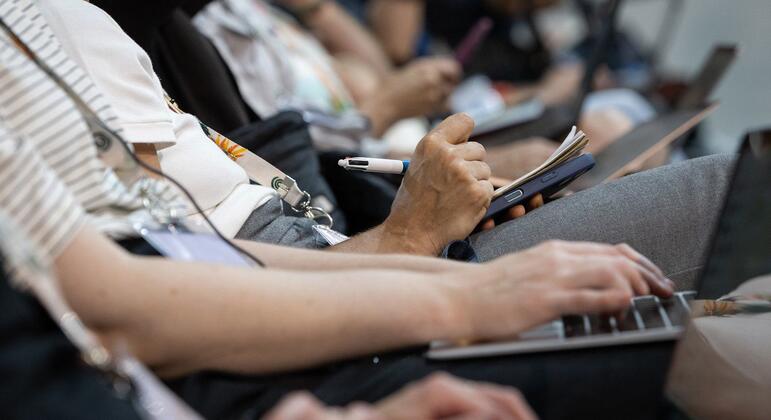
Tetteh reported that a six-month “Structured Dialogue,” involving approximately 120 Libyans from diverse backgrounds, has generated around 600 recommendations across governance, security, economy, and human rights. While the report has been broadly welcomed, the crucial next step is to translate these recommendations into a structured implementation led by Libyans.
Concurrently, UNSMIL is facilitating direct discussions between the Government of National Unity and the LNA General Command, with both rival parliamentary chambers participating. These talks have been constructive, leading to a principled agreement on restructuring the election commission, while negotiations on electoral laws are ongoing.
A Constricting Opportunity
Tetteh was candid about the risks, telling the Council, “Libya now has clearer political options, and the window for action is narrowing.” She emphasized that the primary responsibility rests with Libyan stakeholders. She further warned that if the roadmap does not advance, she would return to the Council with alternative proposals leveraging existing political agreements.
Security remains a significant concern. Disinformation regarding alleged UN plans for the settlement of migrants in Libya has fueled violence against UN facilities, including protests outside UNHCR and UNSMIL offices and clashes in Zawiya. “The direction is clear, the tools are available. What is needed now is the political will to implement them,” Tetteh stated.
Council Reactions
Council members generally welcomed the progress but urged greater efforts. France noted that developments in security and economic sectors are moving in the right direction but stressed the need for more concerted efforts to guarantee unity and stability. Russia cautioned that any solution must be entirely Libyan-led, highlighting the risk of deeper instability from proposals that fail to secure the buy-in of key leaders.
Libya’s own representative expressed reservations about the Structured Dialogue, arguing that the final report should reflect a broader spectrum of views. He emphasized that any political process must conclude the transitional period, respect Libya’s sovereignty, and avoid repeating past mistakes, unequivocally stating that Libya will not be a country for the settlement of migrants.