
Despite a perceived reduction in tensions and a potential US-Iran agreement, the humanitarian situation in Lebanon remains precarious. The UN Office for the Coordination of Humanitarian Affairs (OCHA) reports that while conflict intensity has decreased, displacement continues. Between June 12-14, Israeli airstrikes and evacuation orders affecting 37 localities prompted further displacement.
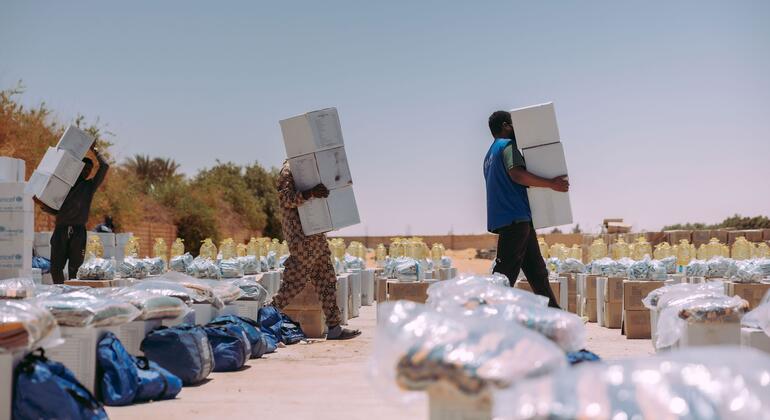
Since March 2, Lebanon’s Ministry of Health has recorded 3,798 fatalities and 11,781 injuries. Across the country, 131,200 individuals are residing in 644 collective shelters. Humanitarian efforts have reached over 1.1 million people, distributing 13.6 million meals. However, only 32.7% of the 2026 Lebanon Flash Appeal has been funded.
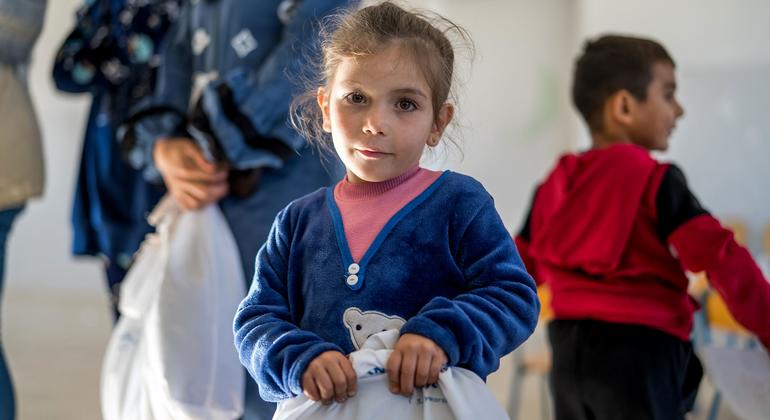
UNICEF has stated that an average of 12 children are killed or maimed daily since the escalation of hostilities between Israel and Hezbollah on March 2. To date, 247 children have lost their lives, and 992 have been injured.
“Children are going through unbearable experiences. Our hope is that the ceasefire is a real ceasefire, because violence and conflict against children have not stopped since the previous declarations,” said Marcoluigi Corsi, UNICEF Representative in Lebanon.
Dozens of Violations
Despite a lull in fighting, the UN peacekeeping force UNIFIL continues to monitor increased missile activity and Israeli military operations in southern Lebanon. Observations include significant armored vehicle movements, logistical traffic, and extensive engineering works by the Israeli Defense Forces (IDF). Reports also indicate 26 violations of Lebanese airspace by the Israeli military, including one airstrike.
UNIFIL recorded 312 missile movements between noon and 4 PM on Wednesday, with 291 attributed to the IDF and 21 to Hezbollah. These figures followed reports of 174 and 189 missile movements on Monday and Tuesday, respectively.
A UN spokesperson noted reports of Israeli artillery fire and airstrikes targeting several locations, including Nabatieh, Sidon, and Jezzine, outside UNIFIL’s operational area. An attack on a vehicle in Shukin reportedly resulted in four deaths and several injuries.
Maritime Security
UNIFIL has reported two Israeli naval vessels patrolling approximately 600 meters off the coast of Naqoura in southern Lebanon, violating Lebanese maritime space. UNIFIL and the naval peacekeeping force have announced ongoing efforts to assist the Lebanese Navy in securing its territorial waters throughout 2026, as per an agreement signed in December.
Major General Diodato Abagnara, UNIFIL Force Commander, stated, “Long-term stability on land is intertwined with security at sea.”
‘Where is Humanity?’
Widespread destruction has impacted large areas of the country, affecting homes, schools, and essential services like water, sanitation, and hygiene systems. This has exacerbated already severe humanitarian needs and delivered a devastating blow to children exposed to bombings.
Corsi shared a poignant story of a young girl he met at a UNICEF-supported hospital, who lost her father and three brothers as “collateral damage” from an attack, while her mother survived and the daughter remained in a coma. Her first questions upon recovery were, “Where is humanity? Where is the sense of justice?” difficult questions from a 14-year-old, Corsi noted. “No child should endure this nightmare,” he said.
Mass Displacement, Shattered Childhoods
According to Corsi, over 770,000 children are experiencing intense distress due to repeated exposure to violence, loss, and displacement. Many cannot return home due to ongoing conflict and the threat of unexploded ordnance.
“Behind these shocking figures are individuals whose lives have been cut short or irrevocably altered, and families facing profound loss, trauma, and uncertainty,” he wrote. “Many have been forced to flee their homes repeatedly, witnessed violence, lost loved ones, and seen their schools, communities, and sense of security shattered.”
Corsi emphasized that numbers alone do not capture the full scale of the crisis. “Beyond those killed and maimed, a generation of children has seen their childhoods interrupted. The sense of security they need to grow and thrive has been deeply shaken,” he stated.
The UNICEF representative called for the violence to stop sustainably, stating, “The scale of physical and psychological harm we are witnessing is unacceptable, and children continue to pay a heavy price for this conflict.” The true cost of this crisis will be measured not only by the lives lost today but also by the opportunities missed tomorrow.
Give Children a Chance
Corsi urged for children to be protected from further harm, and for schools, hospitals, water systems, and other civilian infrastructure to be urgently secured. He also stressed the need for humanitarian access and adherence to international law.
“Most importantly, Lebanese children must be given a chance not only to survive this crisis but to heal and reclaim the future that the conflict has put at risk.”