
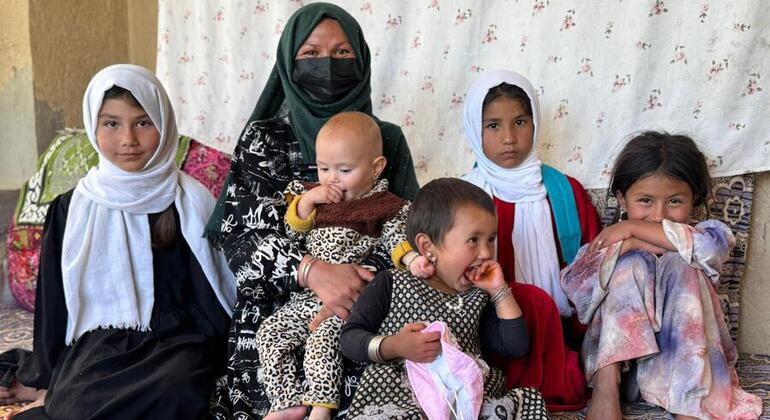
The World Food Programme (WFP) has been sounding the alarm for months regarding the dire situation in Afghanistan, according to Deputy Executive Director Carl Skau. Following a recent visit, Skau reported encountering malnourished mothers and children who traveled over two hours to reach a WFP-supported clinic in Hisar Shahi camp, only to be turned away due to a lack of nutritious supplements. “What I saw in eastern Afghanistan is happening across the country, and it is heartbreaking and absolutely unacceptable,” Skau stated.
Record Malnutrition Rates Loom
Afghanistan is grappling with near-record levels of malnutrition, affecting approximately five million mothers and children. The nation faces mounting pressures, including the closure of its border with Pakistan, recurring floods and earthquakes, and a sharp decline in funding for humanitarian aid.
Amidst the humanitarian crisis, concerns over human rights and press freedom are also being raised, with the de facto Taliban authorities detaining at least three journalists this week on unspecified charges.
Impact of Middle East Crisis
The WFP’s already underfunded operations in Afghanistan are further strained by rising global fuel prices and disrupted supply chains stemming from the conflict in the Middle East. This situation is compounded by an additional 500,000 individuals arriving from Pakistan and Iran so far this year. These arrivals, added to the approximately 2.8 million returnees last year, are placing strain on host communities already facing challenges.
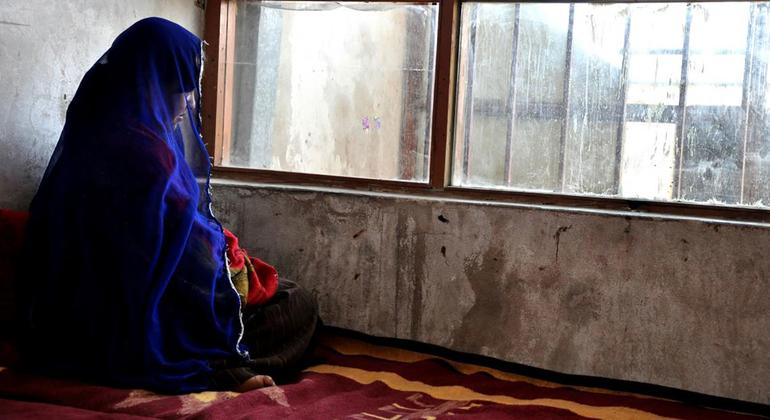
Skau observed, “We are also seeing an increasing number of vulnerable families crossing the border from Pakistan, many arriving in a country where they know no one, have nowhere to go and do not know where their next meal will come from.” He added, “I met single mothers with infants and families with nothing but what they could carry. They need food, shelter, safety, and urgent support.”
Urgent Support Needed
The WFP is working to open new supply corridors, target the most vulnerable populations, and collaborate closely with other UN agencies and partners. However, Skau warned that without immediate donor support and accelerated shipments of humanitarian supplies, “these extraordinary efforts will fall short of preventing a human catastrophe for millions of mothers and children.” The WFP urgently requires $350 million for the next six months to fund its life-saving operations in Afghanistan.
Journalists Detained
The deteriorating humanitarian situation is occurring alongside broader concerns regarding rights and civil liberties in Afghanistan. The UN Assistance Mission in Afghanistan (UNAMA) has expressed “serious concern” over the detention of at least three journalists by de facto authorities in recent days on unspecified charges. These incidents follow reports of threats, attacks, and confiscations of property against several journalists during search operations conducted by the de facto authorities. UNAMA called on Thursday for clarity on the legal basis and charges against the detained journalists, and for their right to a fair trial to be respected at all times. The mission emphasized that a free, independent, and safe press is essential for Afghanistan’s transparency, accountability, and well-being.