
Following the successful splashdown of the NASA Artemis II crew in the Pacific Ocean on April 10, following their record-breaking lunar flyby, science teams are diligently analyzing data and observations from the test flight. The insights gleaned from these scientific investigations will bolster the safety of human deep space exploration and provide a roadmap for how future missions will conduct science on the lunar surface as NASA builds a lunar base and develops a permanent human presence.
In the hours, days, and weeks after landing, Artemis II crew members NASA astronauts Reid Wiseman, Victor Glover, Christina Koch, and Canadian Space Agency (CSA) astronaut Jeremy Hansen provided critical data to the agency to understand how the human body responds to spaceflight. Collecting this data immediately after landing was important for understanding how the body readjusts from microgravity to Earth’s gravity. The data will inform NASA’s understanding of how quickly the crew can complete mission-critical tasks after landing on planetary surfaces like the Moon or Mars, as such missions will not have landing support personnel.
Within a day of the splashdown, researchers collected a series of data points for the Artemis II Space Flight Standard Measurements study, part of an effort to collect a baseline set of health metrics for blood pressure, heart rate, eye health, and motor control among the astronauts. The crew also completed a mini obstacle course involving elements such as lying down, standing up, deploying a rope ladder, and climbing stairs to assess how their bodies readjusted to Earth’s gravity.
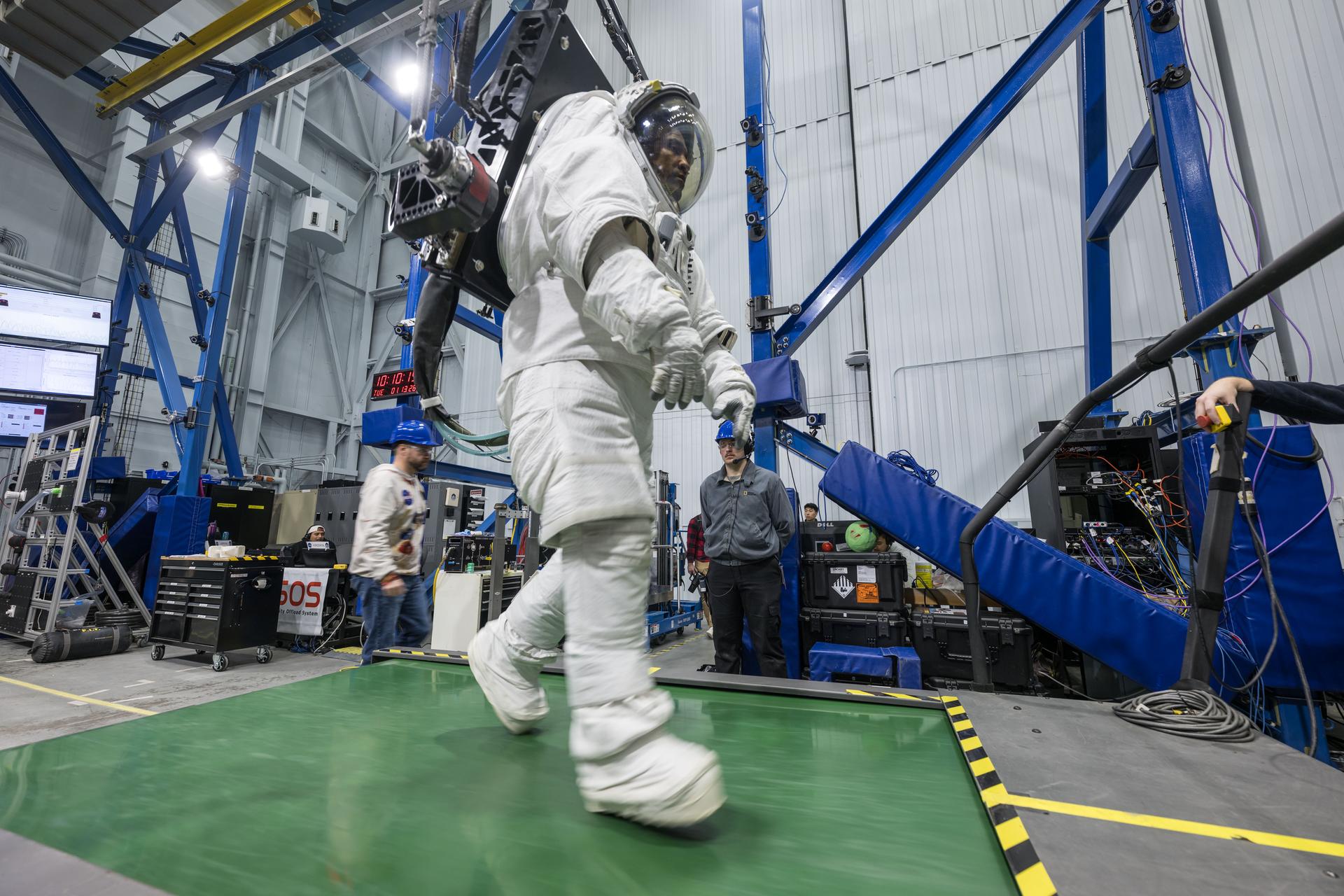
Upon the crew’s return to NASA’s Johnson Space Center, researchers directed them for further medical checks and motor control testing. Over the next few days, the crew completed obstacle courses in spacesuits adjusted for lunar gravity, which is about one-sixth of Earth’s gravity. Researchers are now analyzing this data to gain insights into how the crew might perform while adapting to a planetary surface’s gravity.
As part of the Immune Biomarkers study, researchers are comparing blood and saliva samples collected after the Artemis II splashdown with pre-flight and in-flight samples. The study investigates, among other topics, whether dormant viruses in astronauts’ bodies reawaken while in space and how.
Some crew members completed post-flight cognitive tests and a simulated manual spacecraft docking task for the ARCHeR (Artemis Research for Crew Health and Readiness) study. This is being used, in conjunction with data collected via a wrist-worn device while the crew members were in space, to understand the effects of space hazards on well-being and performance.
Initial data collection for the Artemis II health studies concluded 45 days after splashdown. However, medical teams will continuously monitor the lifelong astronaut health of the Artemis II crew members.
Once this data is processed and anonymized, it will be available for scientists to study the effects of spaceflight through a request to NASA’s Life Sciences Data Archive. The results of this work may lead to new technologies and studies that will help predict the adaptability of crews on future missions to the Moon and Mars.
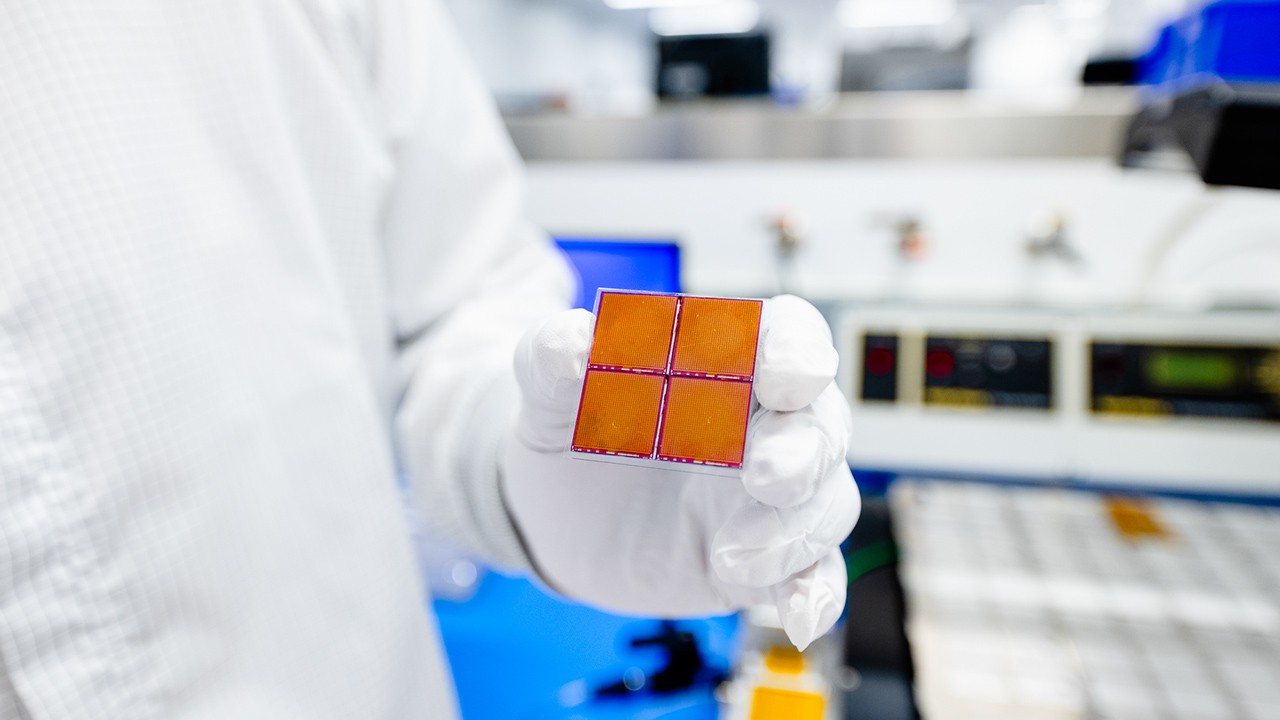
Organ chips from NASA’s AVATAR (Avatar for the Analysis of Vascular and Tissue Analogue Response) research are being analyzed in the lab of Emulate, a chip developer in Boston. The organ chips contained bone marrow cells from each Artemis II astronaut. They flew around the Moon with the astronauts, and now researchers are studying these organ chips to determine how deep space radiation and microgravity affect human health at a molecular level.
Scientists are comparing the chips that flew on the spacecraft with ground control and crew blood samples using advanced techniques such as single-cell RNA sequencing. The analysis will characterize how the organ chips modeled individual spaceflight responses; this data could allow NASA to develop personalized medical kits by sending AVATAR chips for future astronauts ahead of missions. Researchers plan to share early findings at scientific conferences as the full analysis continues.
On April 6, Artemis II crew members studied features on and around the Moon for approximately seven hours during Orion’s closest approach to the lunar surface. Their work was guided by a minute-by-minute observation plan developed by the Artemis II lunar science team.
Scientists are reviewing data, including imagery, video, and audio files collected from the mission, and will publish a report of initial data interpretations later this year. The report will cover observations of impact flashes, color changes on the lunar surface, and the shape and texture of rilles and ridges. The team will also publish a report on how the Artemis II lunar science observations were planned, organized, and executed for the benefit of future Artemis missions.
NASA will release more than 100 science-related audio recordings along with their transcripts, and approximately 11,500 Earth and Moon image and video files, along with associated data, from the mission science campaign. While most of these images are already publicly available, these recordings will be accessible through NASA’s PDS (Planetary Data System), a public archive of data from all of NASA’s planetary missions. To prepare the data, the team is converting files into standard formats that anyone can easily open, ensuring the data will be searchable within NASA’s archive for generations.
For more information on NASA’s Artemis II scientific efforts, visit:
https://www.nasa.gov/humans-in-space/artemis-ii-science/
Karen Fox / Molly Wasser
Headquarters, Washington
240-285-5155 / 240-419-1732