
NASA’s new AstroPix gamma-ray sensor is set to be tested in space aboard the Fly Foundational Robots mission, scheduled for launch in late 2027. This advanced technology aims to enhance the precise observation of high-energy cosmic events.
Gamma rays represent the most energetic form of light. Scientists detect these emissions originating from phenomena such as lightning strikes on Earth, powerful solar flares from the Sun, and cosmic collisions in distant galaxies. The AstroPix technology is engineered to measure gamma rays within the energy range of 20,000 to 700,000 electron volts, a stark contrast to the 2 to 3 electron volts characteristic of visible light.
While current NASA missions, including the Fermi Gamma-ray Space Telescope and the Neil Gehrels Swift Observatory, observe higher-energy gamma rays, existing detectors experience reduced sensitivity between 500,000 and 1 million electron volts. This specific energy range is crucial as it corresponds to the peak brightness of intense cosmic events like gamma-ray bursts and the most powerful flares from massive, distant active galaxies fueled by black holes. By incorporating AstroPix detectors in future missions, scientists anticipate filling this observational gap, thereby improving the study of these cosmic objects and the processes that govern them.
Dan Violette of the AstroPix team highlighted the synergistic nature of the project, stating, “The Fly Foundational Robots spacecraft is also a technology demonstration, so the projects fit well together.” He added, “We need to thoroughly test AstroPix’s performance before using it in scientific missions. We’ve flown similar technologies on a scientific balloon mission, and the current prototype will eventually be part of a sounding rocket payload. Most of these flight opportunities only reach near space. It’s not common for technology demonstrations like ours to find a chance to get to orbit.”
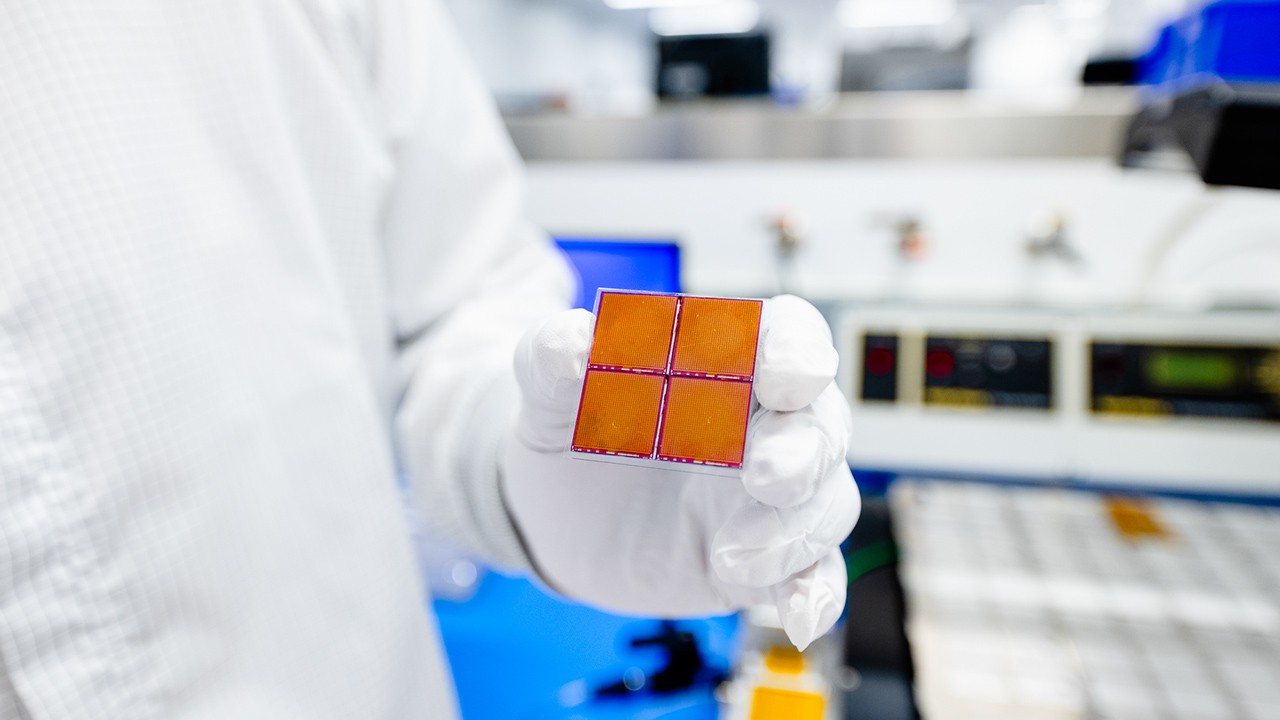
Each AstroPix chip comprises four silicon pixel gamma-ray detectors, with each detector containing 1,225 pixels. These chips operate similarly to sensors found in mobile phone cameras.
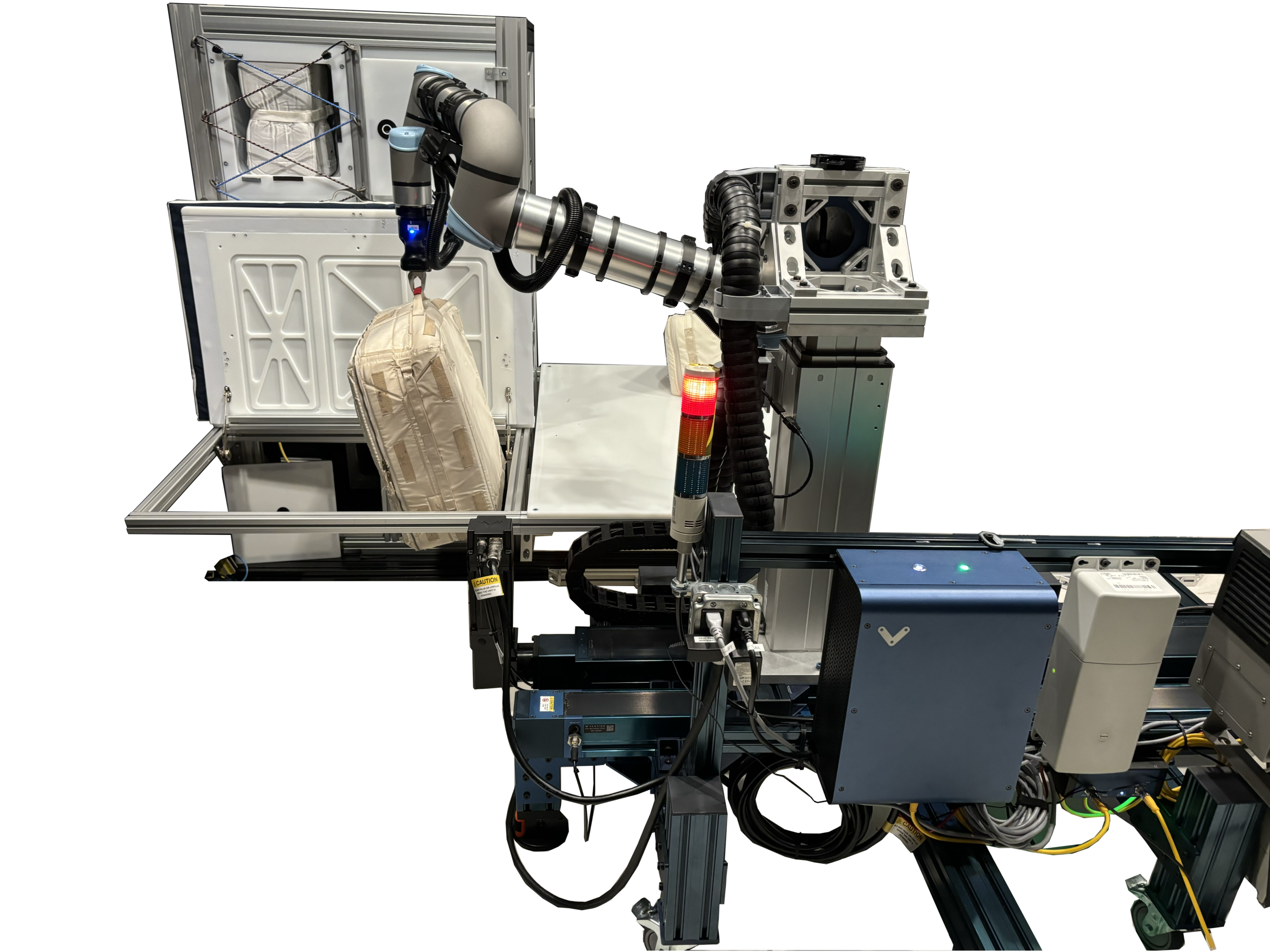
The payload, also known as the AstroPix Satellite Technology Demonstration Payload (A-STEP), will be housed within the Orbital Replacement Unit of the Fly Foundational Robots mission, manufactured by Rocket Lab Robotics. Rocket Lab Robotics will also provide a robotic arm responsible for grasping and repositioning the unit during flight, performing in-orbit operations as part of a robotic servicing demonstration. The A-STEP payload will collect its data following this repositioning. Astro Digital will supply the spacecraft.
The Orbital Replacement Unit was designed to provide power and data interfaces to a payload. However, the initial plan envisioned the robotic arm repositioning the module without these capabilities. As mission development progressed, the Fly Foundational Robots team identified an opportunity to further maximize the mission’s value by integrating an additional technology demonstration that could fit within the 11.8-inch (30-centimeter) cube.
Bo Naasz, Senior Technical Lead at NASA Headquarters’ Space Technology Mission Directorate, commented, “The unit already had the volume, power, and data necessary to support the AstroPix team’s design.” He further explained, “One of our primary goals with Fly Foundational Robots is to demonstrate robotic servicing of payloads in orbit, enabling the upgrade or improvement of satellites and space instruments at a fraction of the cost of a full mission. Allowing AstroPix to complete its own technology demonstration in orbit is a bonus.”
The AstroPix team is working to deliver their hardware this September, where it will be integrated into the Fly Foundational Robots payload before being incorporated into the spacecraft. The Orbital Replacement Unit will contain the necessary chips and all associated electronics for powering, collecting, and transmitting data during flight.
NASA’s Fly Foundational Robots mission is funded through the Space Technology Mission Directorate’s ISAM portfolio, managed at NASA Goddard. Rocket Lab Robotics is supplying the mission’s robotic arm system via a NASA Small Business Innovation Research Phase III award. Astro Digital is hosting the arm’s in-orbit flight test through NASA’s Flight Opportunities program, managed at NASA Armstrong Flight Research Center. AstroPix’s development is supported by the Astrophysics Division of the Science Mission Directorate at NASA Headquarters, through the agency’s Astrophysics Research and Analysis Program, and is funded via the Nancy Grace Roman Technology Fellowship.
For more information, visit: https://go.nasa.gov/3R28tWE
By Jeanette Kazmierczak
Goddard Space Flight Center, Greenbelt, Md.