
The World Health Organization (WHO) has declared the Ebola outbreak in the Democratic Republic of Congo (DRC) a Public Health Emergency of International Concern (PHEIC), though not a pandemic emergency. This declaration follows a rapid assessment of the escalating situation in the eastern DRC.
WHO Director-General Tedros Adhanom Ghebreyesus reported nearly 600 suspected cases of the Bundibugyo virus, with 139 suspected deaths, in addition to dozens of confirmed infections. He anticipates these numbers will rise, given the time the virus circulated undetected before being identified as an outbreak.
Two confirmed cases of Ebola have also been reported in Kampala, Uganda. WHO teams are collaborating with community leaders in Ituri province, the outbreak’s epicenter, to prevent wider transmission. Currently, no vaccine or treatment exists for this specific strain, which was last detected in 2007.
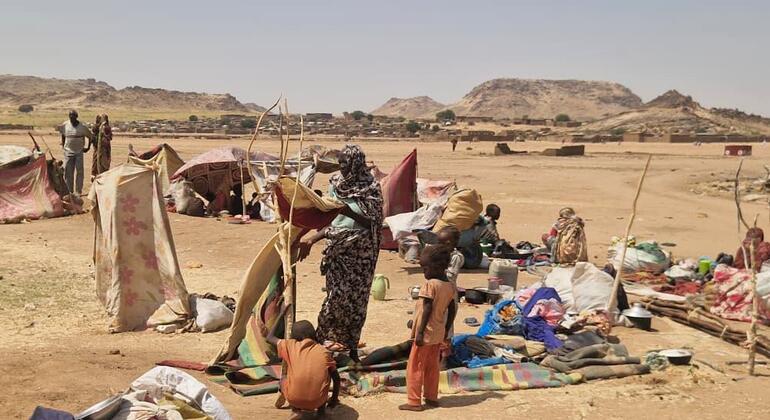
The eastern DRC faces chronic vulnerability due to decades of violence and ongoing insecurity, impacting healthcare workers and the general population. Over two million people are internally displaced in the affected provinces of Ituri and North Kivu, with Goma, the provincial capital, remaining under the control of M23 rebel militias, according to UNHCR.
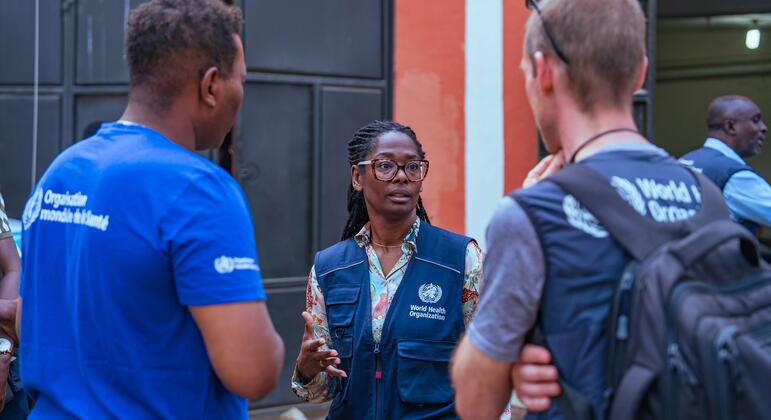
Dr. Marie Roseline Belizaire, WHO’s Regional Emergency Director (acting) and Incident Manager, affirmed the continued presence of a WHO team in Goma, committed to providing support despite the persistent insecurity. “We have never left Goma during this epidemic, so we will continue to stay to provide security for the community we serve,” she emphasized.
Challenges in Detection and Response
Detecting Ebola outbreaks in Ituri province, which has seen a surge in civilian deaths since April, is inherently challenging. Dr. Mohamed Yakub Janabi, WHO Africa Regional Director, highlighted that effective disease surveillance relies on reliable community reporting, accessible health facilities, and laboratory confirmation of infections. In remote or insecure areas, case recognition can be delayed.
The Bundibugyo Ebola virus was only identified after samples were transported to Kinshasa, approximately 1,700 kilometers (1,056 miles) away. Dr. Anais Legand, WHO Technical Officer for Viral Haemorrhagic Fevers, stated that WHO provided support for rapid investigation as soon as the threat was recognized, leading to the confirmation last week. Investigations are ongoing to pinpoint the exact start of the outbreak, with the priority being to break the chain of transmission.
The announcement came after a meeting of the WHO Emergency Committee in Geneva, which confirmed the PHEIC status but ruled out a pandemic emergency.
Understanding Transmission
Professor Lucille H. Blumberg, the panel chair, stressed that Ebola transmission occurs through direct contact with an infected person’s blood and bodily fluids. This is likely consistent with the case of a patient who died on May 5, after their family decided to change the patient’s coffin in Bunia, Ituri province.
“So, this is not casual contact, it is not airborne. I think we need to know that. And this relates to travel restrictions not being supported under the [International Health Regulations] IHR recommendations,” Prof. Blumberg insisted.
Given the ongoing humanitarian crisis, security challenges, high population mobility, and proximity to multiple borders, controlling the epidemic presents significant difficulties. “Resources, additional personnel… research and development of countermeasures are urgently needed,” she stated, emphasizing the necessity of intensive surveillance and contact tracing.
Director-General Tedros declared the Ebola outbreak a PHEIC on Sunday under Article 12 of the IHR.