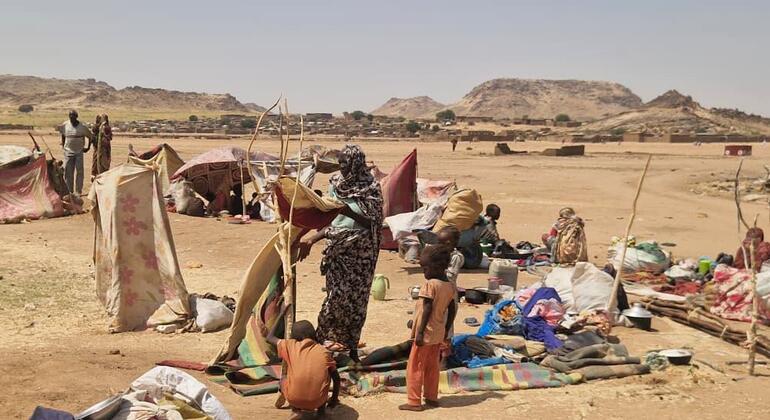

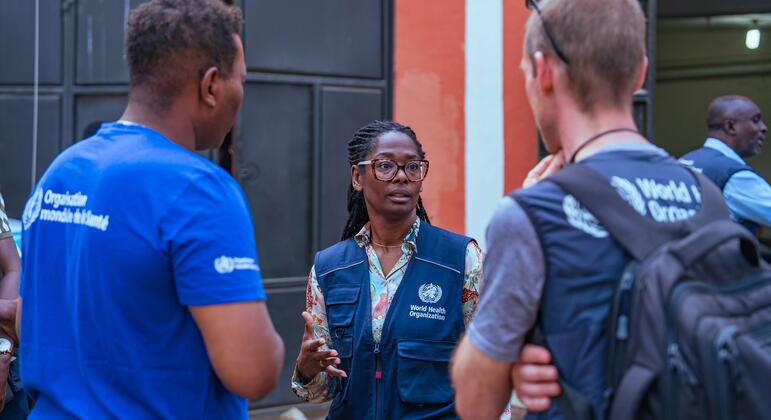
The Ebola outbreak in the Democratic Republic of Congo (DRC) has surpassed 780 cases, with Uganda reporting 19 confirmed cases and two deaths. Despite significant expansion of the response on the ground, the World Health Organization (WHO) indicates that efforts to control the epidemic remain insufficient.
Dr. Rose Belizaire, WHO Africa Lead for Emergency Response, stated, “We see ourselves at a 3 or 4 out of 10 in terms of where the response should be.” She emphasized the rapid progression of the outbreak and the need for all partners to escalate their efforts to keep pace.
Currently, upon notification of a suspected case, an investigation team is immediately dispatched. Confirmed patients are transferred to a transit center awaiting laboratory results and, if necessary, moved to a treatment center. The response extends beyond medical care, organized across 11 distinct areas.
These areas include community surveillance, investigation teams, transit centers, laboratories, treatment centers, infection prevention and control, data management, and other components led by Congolese health authorities. Supporting patients, their families, and contacts is also a critical part of the response. Psychosocial and nutritional support are provided to patients and families, with food assistance for contacts and three hot meals daily for hospitalized patients. Infection prevention and control measures, such as disinfection and the destruction of contaminated materials, are implemented to limit the virus’s spread.
Expertise Present, Resources Lacking
During a visit to Beni, one of the most affected regions, Dr. Belizaire expressed admiration for the preparedness of local teams. She noted that teams know what needs to be done and possess the necessary technical expertise, but resources, including personnel and logistical support, are inadequate.
Women on the Frontlines
The demographic profile of the outbreak is shifting. Initially affecting mostly men aged 20-49, women are now the most impacted group, and cases among children are increasing. Dr. Belizaire explained this is expected in infectious diseases, given women’s typical role in caring for family members.
A Response That Listens to the Community
The WHO considers adapting the response based on on-the-ground realities a key element of the fight. Dr. Belizaire highlighted efforts to engage with different community segments to understand their needs and tailor the response accordingly. Discussions with various groups, including entrepreneurs, motorcycle taxi drivers, and community leaders, revealed distinct concerns for each.
Porous Borders and Collaboration
This situation is particularly evident in the border region between DRC’s Aru and Uganda’s Arua. Dr. Belizaire participated in meetings to strengthen collaboration and establish a joint action plan between the two countries. Decisions included deploying joint teams along the border, enhancing laboratory capacity, and establishing a treatment center jointly managed by Congolese and Ugandan teams.
‘I Wanted to Say Thank You’
Dr. Belizaire recounted a poignant encounter with a colleague who had survived a previous Ebola outbreak and now works as an epidemiologist with the WHO. She described this as the greatest reward, seeing a life saved and now contributing to the fight as a colleague. This meeting underscores how experience from past outbreaks strengthens the current response.