
The World Health Organization (WHO) has assessed the Bundibugyo strain of the Ebola virus as posing a high risk nationally and regionally, while maintaining a low global risk. The UN health agency’s emergency committee concluded that the current outbreak does not meet the criteria for a pandemic emergency. In the Democratic Republic of Congo’s Ituri and North Kivu provinces, 51 cases have been confirmed, with the outbreak’s scale potentially larger. The WHO has recorded approximately 600 suspected cases and 139 suspected deaths to date. Two cases linked to the outbreak have been identified in Kampala, Uganda.
Fighting a Rare Strain
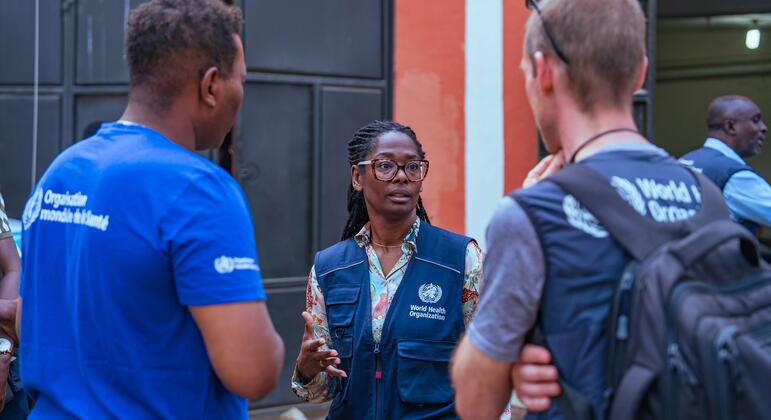
With no licensed vaccine or specific treatment available for this rare strain, health authorities are racing to contain its spread in a region marked by mistrust and displacement. Experts and medical equipment are being deployed to affected areas with the support of the UN peacekeeping mission MONUSCO, the World Food Programme (WFP), Doctors Without Borders (MSF), and other partners, as treatment centers are established. Dr. Marie Roseline Belizaire, WHO Africa Director, emphasized the critical role of community trust in the response to UN News. “The speed of response in the initial days is essential to prevent this outbreak from spreading and to stop it from reaching a wider area,” she stated.
Community-Centric Approach
Community trust is central to the WHO’s response strategy. Health authorities are working to prevent individuals with symptoms from fearing to report themselves or refusing isolation. “Every emergency, every outbreak starts in a community and ends in a community. If we don’t have that community trust, no matter how many measures we put in place, they will not be accepted,” Dr. Belizaire explained. The WHO stresses a participatory approach, drawing on lessons learned from previous outbreaks. “We will not dictate our scientific knowledge; instead, we will work with them,” the organization stated.
Lessons Learned and Support
Building on experiences from past outbreaks where families hesitated to report cases or allow loved ones to go to treatment centers, the WHO aims to bring the response closer to the community. Care and monitoring structures are being established as close as possible to the affected population to manage confirmed patients, track suspected cases and contacts, and maintain ties with families. “Families will be able to visit their sick in these treatment centers,” Dr. Belizaire said. The goal is to provide comprehensive management, including medical care, psychosocial support, and nutritional needs for patients, while also supporting tracked families and contacts as part of the response.
Security and Logistical Challenges
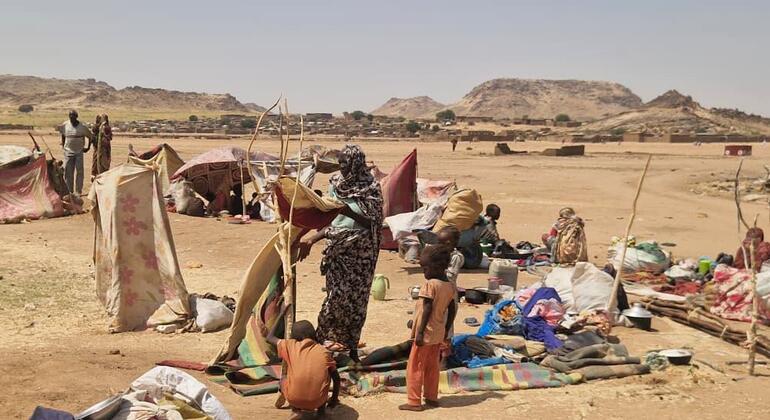
The outbreak is unfolding in an area affected by insecurity, displacement, and high mobility linked to mining regions. These factors complicate the rapid implementation of early case detection, contact tracing, and control measures. Delivering aid also presents a significant logistical challenge. “We are working with other partners to facilitate the air transport of equipment,” Dr. Belizaire noted. Over 11 tons of equipment have been sent to Bunia to support the response.
Challenges of a Rare Strain and Lack of Vaccine
Unlike the Zaire strain, which has caused more frequent and deadlier outbreaks, the Bundibugyo strain remains not fully understood, and currently, there is no licensed vaccine or specific treatment. “We have to find the right way to explain to the community that the vaccine you received in 2018 and 2020 only protects you against this [Zaire] strain. And now, you are not protected against this new strain,” Dr. Belizaire explained. Drawing on extensive field experience in responding to Ebola outbreaks in Africa, she indicated that discussions have begun within the WHO’s research and development program to accelerate potential medical advancements. Previous research efforts had focused on the Zaire strain, responsible for the most common Ebola outbreaks, for which vaccine and treatment tools are available.
Self-Protection Measures and Information
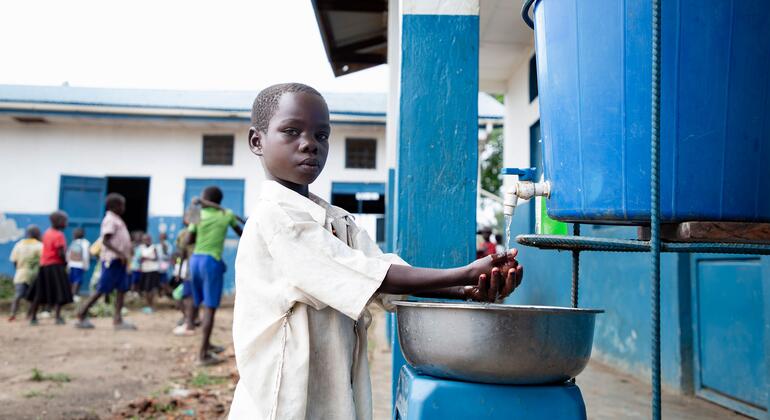
The WHO advises simple measures for communities to reduce transmission risk: avoiding contact with body fluids of infected or deceased individuals and meticulously practicing hygiene measures, particularly regular hand washing. The health agency also stresses the importance of immediately reporting a suspected case and promptly seeking medical attention if symptoms such as fever, extreme fatigue, muscle aches, vomiting, or diarrhea appear suddenly. Dr. Belizaire highlighted the necessity of allowing health teams to conduct contact tracing in communities when a suspected case is reported and protecting healthcare workers. Preventing patients from feeling stigmatized is also crucial. The public is urged to rely only on information from health authorities and to avoid rumors that “can really complicate the response and endanger their lives.”