
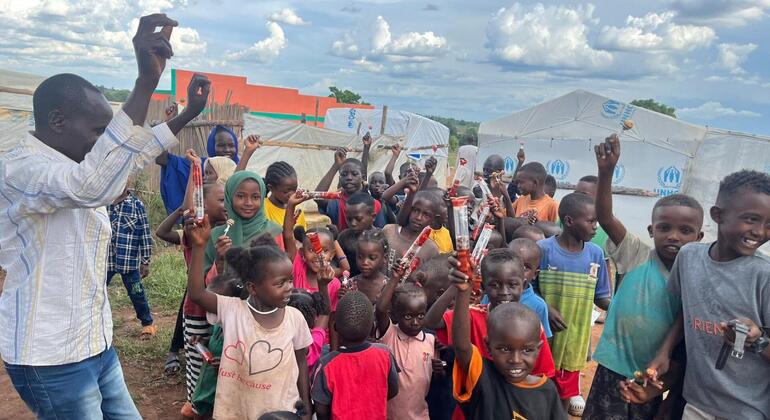
Since conflict erupted in Sudan in April 2023, approximately 600,000 Sudanese refugees have arrived in Uganda, many after arduous journeys, carrying few belongings and a wealth of experiences as they strive to rebuild shattered lives.
Kriandongo, located about 275 kilometers from the capital, also hosts refugees from South Sudan, Burundi, Kenya, the Democratic Republic of Congo, and Rwanda, alongside the surrounding host community. What unites them is the shared experience of loss and the fundamental need for a fresh start.
UN News visited the camp to observe daily life and hear firsthand about the most pressing challenges faced by the displaced.
From Engineering Halls to Refugee Tents
Hussein Hashim Taiman, a civil engineer with a master’s degree, formerly worked with the African Union-United Nations Hybrid Operation in Darfur (UNAMID). Today, he resides in a tent as the elected leader of the Sudanese refugee community in Kriandongo. He fled Omdurman with his children in May 2023, reaching Uganda via South Sudan, describing his journey as fraught with fear, harassment, and abuse.
“When you complain here, you see that someone else’s misfortune is greater than yours, so you try to forget your own,” Taiman stated. “We draw strength from each other. Sometimes, as professionals, we sit together and talk about our past. I live in a tent now, but that’s what war does.”
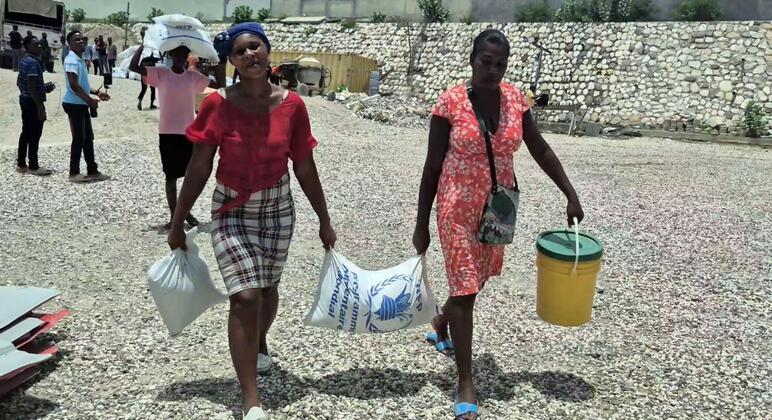
The situation has not improved as many had hoped. Aid has dwindled, and tents designed for six months have become semi-permanent shelters for over three years. Healthcare is inadequate, education is sporadic, and even water and food have become a shared responsibility among residents. Hussein urged the United Nations and the international community to pay greater attention to Sudanese refugees in Uganda, warning that the future of an entire generation is at stake.
Food: A Matter of Life and Death
Amidst these harsh realities, simple initiatives have emerged. Among them are community kitchens, which began as a response to an urgent need and have gradually become a lifeline, helping to stave off starvation for refugees in Kriandongo. Approximately twenty community kitchens are currently operating in the camp, aiding in reducing hunger and strengthening social bonds among the Sudanese residents.
Mutasim Mohamed Ahmed, from Nyala in South Darfur, once traded between Sudan, China, and Dubai. The war disrupted this life, and he arrived in Uganda in 2023. Today, he serves as the secretary for the camp’s community kitchens. “These kitchens were established after the World Food Programme cut its food aid. We saw malnutrition among residents. There were deaths from starvation and miscarriages,” Ahmed recounted. He noted that this work has transformed him: “Working in the community kitchens has taught me to be human. You see hungry people here, and if you don’t have humanity inside you, you can’t feel it. I feel it for my people, they are my flesh and blood.”
‘We Survived to Help’
Dr. Widad Makki, currently residing in Kampala, makes regular long journeys to Kriandongo camp not out of obligation, but by choice. A former university professor and director in the Special Education Department of Khartoum State, Makki fled her home under bombardment. “It was difficult to move my children through the sound of shelling, smoke, burning cars, and bodies in the streets. I would tell them to cover their faces so they wouldn’t see,” Makki told UN News.
Now based in Kampala, Widad maintains close ties with the camp through her work with the Al-Malam Darfur Peace and Development organization, regularly visiting. She and her colleagues support the community kitchens, providing meals for refugees in Kriandongo. “We survived and reached Uganda safely, now we are helping our Sudanese brothers and sisters in the camps,” Makki said. However, her concern about the protracted crisis is deep. “Our biggest fear is that this war will last long. There are many challenges here: education, rent, cost of living, no income, no jobs. We pray every day for the war to end so we can return to Sudan.”
Doctors on Duty
Outside the camps, the situation in Kampala appears different, with some Sudanese professionals managing to rebuild their careers. At one of the city’s hospitals, Dr. Abdul Jabbar Ahmed Adam, an internal medicine specialist, treats patients from various nationalities. Adam, who previously worked at Ibn Sina Gastroenterology Hospital in Khartoum, arrived in Uganda in 2023 and joined Gombe Hospital. “Uganda welcomed us warmly. The work here is good, and there is no discrimination. We didn’t feel like foreigners; we felt at home, like in Sudan,” he said.
He is not alone. Many Sudanese medical professionals have found opportunities to practice in their host country. Some have opened their own clinics. Adam noted, “Uganda has good hospitals, but there is a shortage of staff. Sudanese doctors have contributed here. Patients come to us from many different nationalities.” He also wants to debunk a common assumption: “Not everyone who comes here relies on aid. There are professionals, traders, and skilled people in many fields.”
The White Heart Hotel
Ibrahim Zakaria Yahya settled in Biale, near Kriandongo, long before the latest wave of displacement. He left South Darfur, Sudan, in late 2007, arriving in Uganda in 2008. After spending five years in Kampala, he moved to Biale, where he says he was the first Sudanese to arrive with his family. The early years were tough. “I suffered a lot when I first arrived,” Yahya recalled. However, he gradually built his own business, transitioning from trade and farming into real estate. Three years ago, he opened a hotel, which he named The White Heart.
“I chose this name because it’s an invitation to overcome the suffering that Sudanese people have endured through repeated wars, to purify hearts and consciences. Everyone who comes here needs to come with a pure heart. We have fled war, and we need to live together here so that one day we can return home safely,” he explained.
Ibrahim is grateful to Uganda. “They embraced me. I never felt like a refugee. I am only a refugee on paper; I have the same rights as citizens and even own land, which I couldn’t have in Sudan.” Yet, he misses his home and hopes peace will come soon so he and thousands in Kriandongo can return.
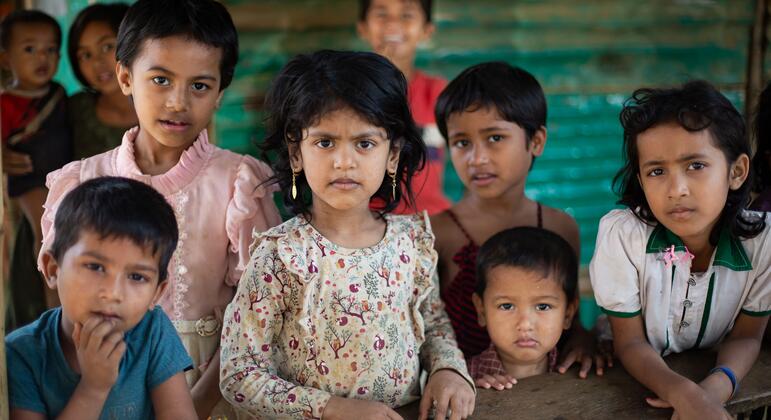
This is where hope lies for those in the camp. The future is uncertain, services are scarce, and there is deep anxiety, especially among children and youth. But people are holding on. Until the war ends, life continues here with its simplicity, challenges, and endless stories.