
Artificial intelligence (AI) is making online violence against women in public life increasingly sophisticated, aggressive, and harmful, according to a new report by UN Women and partners. The study highlights how technology is exacerbating existing forms of abuse.
Kalliopi Mingerou, who leads the UN Women team working to end violence against women, stated, “AI is making harassment easier and more damaging, fueling the erosion of hard-won rights in a context already marked by democratic backsliding and networked misogyny.”
Non-Consensual Image Sharing and Deepfakes Rise
The report, titled “The Impact, Manifestations, and Remediation of Online Violence in the Age of AI: A Turning Point,” surveyed 641 participants from 119 countries in 2025. Findings indicate a significant prevalence of abuse.
Research results revealed that 12% of women human rights defenders, activists, journalists, and other media professionals have experienced the non-consensual sharing of their personal images, including intimate or explicit content. Furthermore, 6% of participants fell victim to “deepfakes” – realistic AI-generated images – while one-third faced unwanted sexual harassment online.
To avoid such abuse, approximately 41% of participants reported self-censoring on social media, and 19% self-censored in their professional work.
Forced into Silence: The Impact on Journalists
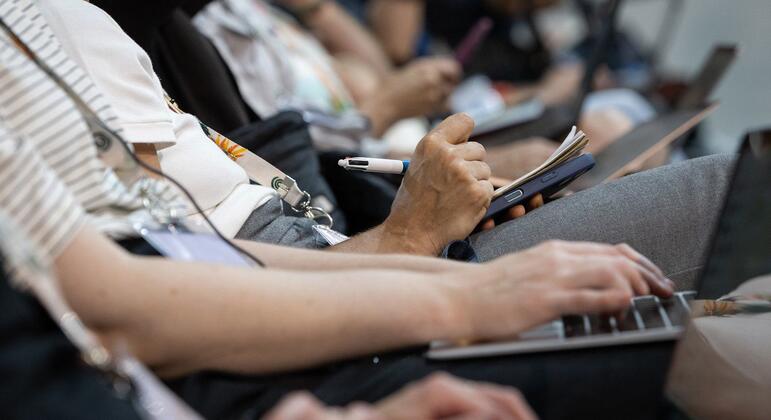
The situation is particularly alarming for women journalists and media workers. Harassment has led 45% of women to self-censor on social media, a 50% increase since 2020. Additionally, nearly 22% self-censor in their professional roles.
One environmental journalist from India shared the fear of living in her own country when online right-wing groups labeled her a “traitor” and spread false claims through thousands of WhatsApp messages. “Local right-wing groups, emboldened by these shares, started confronting my relatives and behaving rudely towards them, so we started self-censoring, withdrawing from investigative journalism. It is not easy to live freely; we are being forced into silence,” she added.
The likelihood of women journalists and media workers reporting online violence incidents to the police has also doubled compared to 2020, rising from 11% to 22%. Legal action against perpetrators, facilitators (such as tech companies), or their employers also saw an increase, from 8% in 2020 to 14% in 2025.
Mental Health Toll of Online Violence
The report extensively documents the severe impact of online violence on women’s mental health. Approximately one-quarter of women journalists and media professionals (24.7%) reported being diagnosed with or treated for anxiety or depression. Nearly 13% were diagnosed with Post-Traumatic Stress Disorder (PTSD).
One journalist and community organizer described how these mental health effects are intertwined with self-censorship, democratic discourse, and financial hardship. “When we speak loudly about democracy, there is no “feeling” of democracy, just a “show of madness”,” she stated. The intense pressure led her to resign from her job in December 2023 to focus solely on improving her mental well-being. This situation has resulted in significant financial difficulties, with the woman subsisting on rice porridge as a direct consequence of being “forced into silence and rendered jobless.”
Gaps in Legal Protection Persist
Despite the escalating crisis, significant gaps remain in legal protections against online violence. World Bank data shows that less than 40% of countries have laws protecting women from cyber harassment or cyberbullying.
Mingerou emphasized, “It is our responsibility to ensure that systems, laws, and platforms respond with the urgency this crisis demands.” This report is the second in a series based on the global survey. The upcoming publication will delve into a wider range of issues concerning online violence against women in public-facing roles, including an analysis of perpetrator profiles and behaviors, and the role of “Big Tech” companies.