

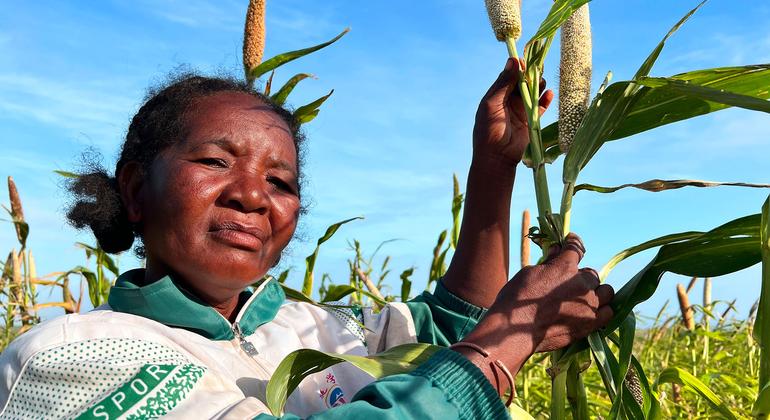
Mounting global climate pressures are placing fragile food systems and humanitarian crises in Africa at heightened risk, with the looming threat of El Niño poised to exacerbate these vulnerabilities.
Climate Impacts and Emergencies in Africa
According to reports from the World Meteorological Organization (WMO), climate impacts intensified across the African continent in 2025. Last year, extreme weather events affected at least 13 million people and caused over 3,000 fatalities. Floods were the most frequent hazard, claiming hundreds of lives in countries like Nigeria and the Democratic Republic of Congo. Concurrently, drought intensified its grip on East Africa.
Africa is warming at a rate exceeding the global average. Glaciers are melting faster, and sea-level rise in coastal areas has surpassed global averages. The significant reduction in ice cover on Mount Kilimanjaro supports the warnings from climate scientists regarding the frequency and severity of weather shocks.
El Niño’s Potential Impact on Food Security
The Food and Agriculture Organization of the United Nations (FAO) and the World Food Programme (WFP) warn that a strong El Niño weather pattern could trigger a new wave of disruption, with its effects increasing through next year and into late 2026. El Niño-induced changes in rainfall patterns can lead to drought in some regions and severe floods in others. This phenomenon threatens harvests, livestock, water resources, and food production, particularly in Africa, but also in Asia, the Pacific, and Latin America. The agencies cautioned that without early action, millions more people could face severe food insecurity and livelihood losses.
Joint Action Call from UN Agencies
In preparation for the anticipated El Niño impacts, FAO and WFP have launched a Joint Anticipatory Action Appeal seeking $202 million to support approximately 8.8 million people. This appeal focuses on providing support before disasters strike, rather than responding after crises have formed. Planned interventions include cash assistance, distribution of drought- and flood-resilient seeds, livestock protection measures, water storage systems, and climate advisory services with early warning messages tailored to local conditions.
While existing systems are prepared to support around 1.2 million people expected to be affected by El Niño, additional funding aims to extend operations to reach 7.6 million people across 22 priority countries. FAO Assistant Director-General Beth Bechdol stated that acting before crises reach tipping points is more effective and less costly than post-disaster responses. WFP Deputy Executive Director Carl Skau emphasized the limited window for the international community to prevent a major food crisis and highlighted the importance of effectively using predictive tools. The agencies noted that this funding appeal comes during a challenging period for global humanitarian operations, marked by rising needs and shrinking aid budgets.