
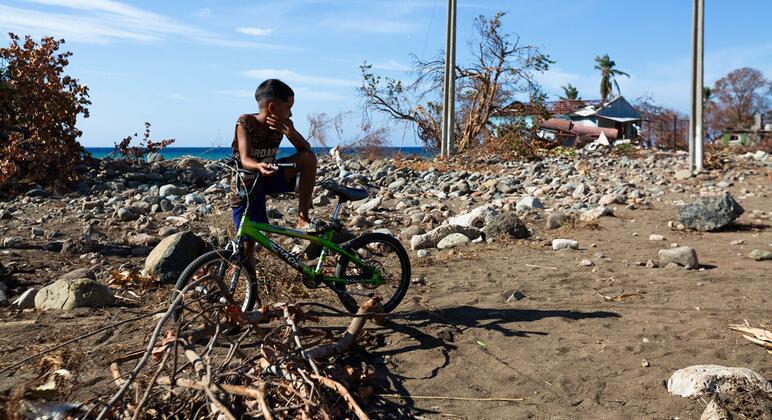
A comprehensive regional report detailing the climate status of Latin America and the Caribbean last year reveals alarming trends. Experts highlighted that temperatures across the region significantly exceeded averages, sea levels continued to rise, and extreme weather events intensified.
The report underscores the escalating impact of climate shocks on food production, healthcare systems, and access to clean water. These extreme weather phenomena are occurring with greater frequency and severity.
Threats to Life and Health
Intense heatwaves in 2025 pushed temperatures above 40°C in large parts of the region, with Mexico recording a record high of 52.7°C. Brazil and Paraguay also experienced temperatures exceeding 44°C.
The World Meteorological Organization (WMO) warned that extreme heat poses a significant public health threat, particularly for vulnerable communities with limited access to healthcare, cooling facilities, and reliable electricity. While many countries do not yet systematically track heat-related deaths, the report estimates an average of 13,000 heat-related fatalities annually across 17 countries between 2012 and 2021.
Deepening Food Insecurity
Increasingly extreme precipitation patterns are exacerbating humanitarian conditions in the region. Communities are grappling with devastating floods and prolonged drought cycles. In 2025, floods in Peru and Ecuador affected over 110,000 people, while floods in Mexico resulted in 83 deaths and widespread infrastructure damage. Concurrently, severe drought, impacting up to 85% of Mexico, has caused significant water shortages for crops and reservoirs, despite the country experiencing a record wet June. Water scarcity was also reported in the Caribbean, and drought conditions in southern South America heightened agricultural losses and wildfire risks. The WMO cautioned that worsening climate extremes are placing increasing pressure on agricultural production and food systems, threatening livelihoods, food access, and rural communities.
Glacial Melt Threatens Water Sources
Rapid glacial retreat in the Andes Mountains is fueling concerns about future water security. Andean glaciers provide essential freshwater to approximately 90 million people, supporting drinking water, agriculture, hydroelectric power, and industry. However, glaciers in Colombia, Ecuador, Peru, Chile, and Argentina are melting at an accelerated rate, increasing the risk of both floods and long-term water scarcity. WMO Secretary-General Celeste Saulo stated, “The signs of climate change are undeniable in Latin America and the Caribbean,” warning of accelerating glacial loss, rising sea levels, tropical cyclones, floods, and droughts. Saulo emphasized, “The Status of the Climate in Latin America and the Caribbean 2025 is not just a scientific publication. It is a call to action. It requires us to strengthen observations, invest in services, close early warning gaps, and ensure climate information reaches those who need it most.”