
Thousands evacuated the southern suburbs of the capital, Beirut, on Monday following Israel’s renewed threat to target Hezbollah militants. The United Nations Refugee Agency (UNHCR) reported that families were seen leaving by car, motorcycle, and on foot, carrying their essential belongings. UN spokesperson Stéphane Dujarric told reporters, “We call on all parties to respect the cessation of hostilities and refrain from further escalation. We condemn the loss of civilian lives.” Dujarric emphasized the need for a diplomatic solution to end the cycle of violence.
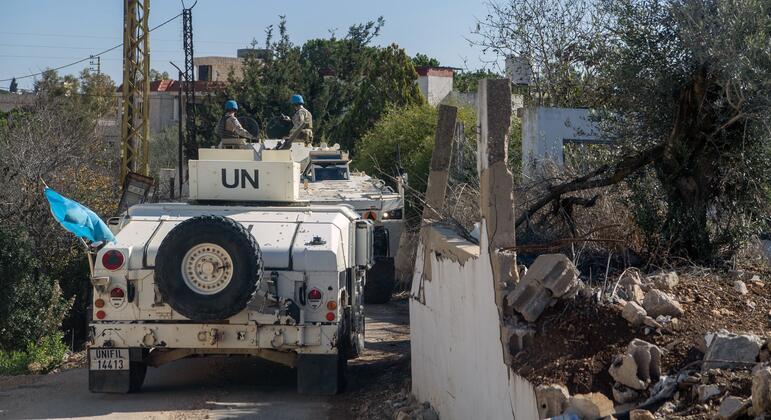
These developments occurred as the UN Security Council prepared to hold an emergency session to discuss the escalating conflict. Humanitarian organizations reported that numerous individuals fled Beirut, Tyre, and Sidon following the threat of attacks and renewed evacuation orders. The UN Special Coordinator for Lebanon, Jeanine Hennis-Plasschaert, is continuing efforts to de-escalate tensions, strengthen adherence to ceasefire agreements, and advance confidence-building measures. Hennis-Plasschaert described southern Lebanon as being “on fire” and roads in Beirut as “clogged with people fleeing their homes.” The senior official noted that “suffering is mounting as both sides expect victory” and added that “escalation has its own logic.”.
High Risk, Heavy Toll
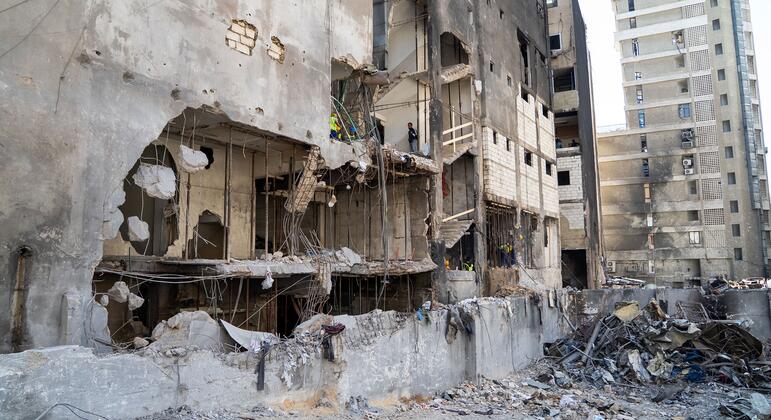
Thousands have lost their lives since March. The UN Office for the Coordination of Humanitarian Affairs (OCHA), citing Lebanese health authorities, reported 3,412 deaths and over 10,000 injuries since the conflict began on March 2. At least 88 people were reportedly killed over the past weekend. The World Health Organization (WHO) stated that five attacks were recorded in the last three days, resulting in the death of one health worker and injuries to 19 others. A ceasefire agreement brokered by the US in April has not been fully implemented.
Deepening Humanitarian Emergency
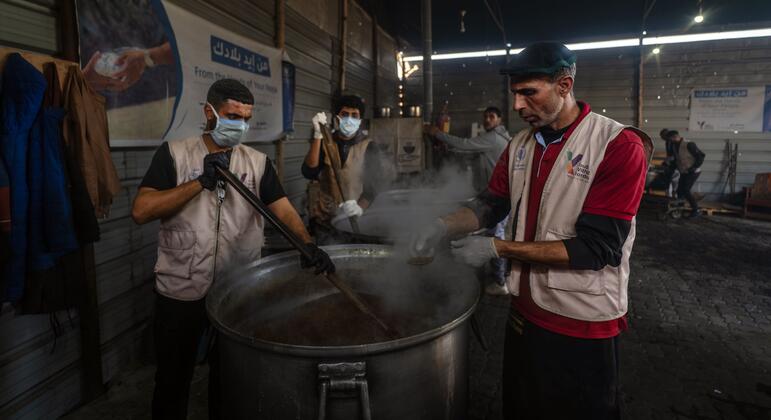
The UN World Food Programme (WFP) reported that Lebanon is facing a deepening humanitarian emergency as the conflict enters its third month, characterized by a combination of displacement and rising food insecurity. Over one million civilians have been displaced, and 1.24 million people across the country, representing a quarter of the population, are unable to access adequate food. WFP stressed the critical importance of humanitarian access, stable supply chains, and predictable funding.
Rising Food Prices and Aid Efforts
While food remains available in Lebanon, prices have also surged alongside the escalating conflict. Vegetable prices have increased by 20%, and bread prices by approximately 15%. Although markets in Beirut and other areas are still active, over 80% of markets in southern Lebanon have closed. WFP has so far delivered hot meals, ready-to-eat food, and food parcels to over 700,000 people. Additionally, nearly half a million Lebanese have received emergency cash assistance. Humanitarian organizations will issue a new appeal on Friday to scale up aid in Lebanon over the next three months.