

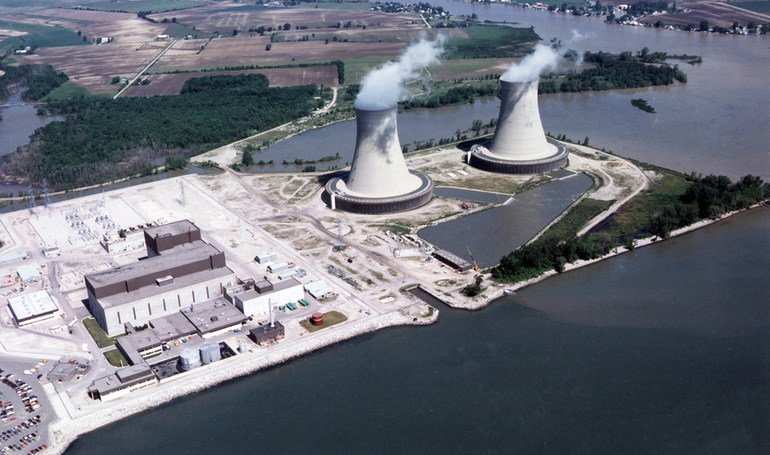
Shota Kamishima, Senior Coordination Officer at the International Atomic Energy Agency (IAEA), stated, “Nuclear energy sits at the nexus of energy demands, technological innovations, and an evolving security landscape. This presents a significant opportunity.”
Sustainable Supply
Kamishima added, “When developed properly, nuclear energy can support sustainable development, enhance energy resilience, and even serve as a platform for regional cooperation.”
The resurgence of nuclear energy, which was impacted by the 2011 Fukushima nuclear accident, was underscored by its official recognition as a low-emission technology at the 2023 UN Climate Change Conference, with calls for accelerated promotion.
The United Arab Emirates is among 33 countries supporting the goal to triple nuclear power capacity by 2050, with its Barakah nuclear power plant currently supplying approximately 25% of the country’s domestic energy needs. Globally, 416 nuclear reactors in 31 countries provide about 10% of the world’s electricity. An additional 63 reactors are under construction, and around 60 countries are considering or planning to introduce nuclear power, including small modular reactors.
Egypt views nuclear power favorably as part of its comprehensive energy strategy. Alongside renewable energy projects like the Benban Solar Park and the Suez Gulf Wind Farm, the El Dabaa nuclear power plant is nearing completion with a total installed capacity of 4,800 megawatts. Egyptian officials believe this will help establish a stable and efficient system and enable them to export clean electricity abroad.
Almuntaser Albalawi, a researcher at the United Nations Institute for Disarmament Research (UNIDIR), noted, “Energy demand in the Middle East and North Africa region has tripled between 2000 and 2024 and will continue to rise, influenced by artificial intelligence and economic transformation. The region has a unique need for desalination and cooling, making the reliance on stable energy sources even more urgent.”
Security, Climate, and Long-Term Uncertainty
Despite these demands, the geopolitical environment in the Middle East raises questions about the safety of developing and operating nuclear energy in the region. Professor Zia Mian, a senior research fellow and co-director of the Program on Science and Global Security at Princeton University, argued, “When we talk about a nuclear power plant, a reasonable time unit should be its lifecycle – about 75 years from construction to decommissioning.”
Mian questioned, “All these discussions should revolve around a central question: What has the Middle East been like for the last 75 years? How do we expect it to evolve in the future?” He pointed to historical conflicts such as the 1967 and 1973 Arab-Israeli wars, the Iran-Iraq War (1980-1988), followed by the US-Iraqi wars, and the Syrian civil war. “Are you prepared to bet that the next 75 years will be fundamentally different from the last 75 years?” he asked.
In addition to security and political considerations, concerns exist regarding the suitability of climate and environmental conditions in the Middle East for nuclear energy development. According to the World Meteorological Organization’s (WMO) first State of the Climate in the Arab Region Report, published in 2024, the Middle East is warming at twice the global average rate. Temperatures could rise by five degrees Celsius by the end of this century, directly impacting the operation of nuclear power plants.
Professor Mian explained, “In other words, it means the Middle East will become almost uninhabitable for people to live outdoors. Furthermore, the heat exchange needs of nuclear power plants are enormous, and their cooling water requirements are also very large. For example, every summer, when people need the most electricity for cooling, France has had to shut down nuclear plants due to excessively high external temperatures.”
A Flying Carpet?

Related Posts
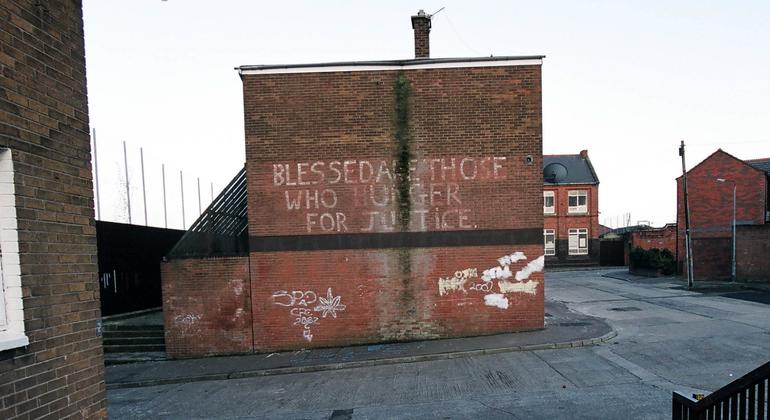
UN Rights Chief Condemns Northern Ireland Riots; Animal Diseases and Heatwaves Pose Threats in Europe
UN High Commissioner for Human Rights Volker Türk condemned the riots in Northern Ireland. Meanwhile, the FAO warns of escalating risks from animal diseases globally, and the WHO reports over 200,000 deaths in Europe due to heatwaves in the past four years.
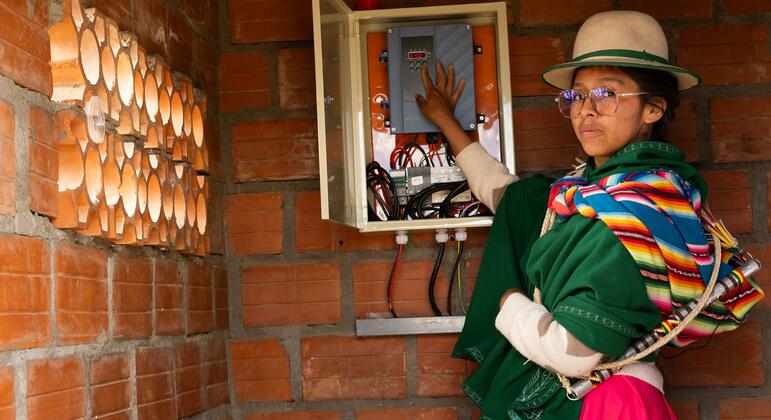
Nations Urged to Accelerate Climate Commitments Ahead of COP31
UN Climate Chief Simon Stiell urged nations to accelerate their climate commitments at the Bonn Climate Meetings, a critical step before COP31. He emphasized the urgency of tackling the climate crisis, noting progress but stressing that current actions are insufficient.