
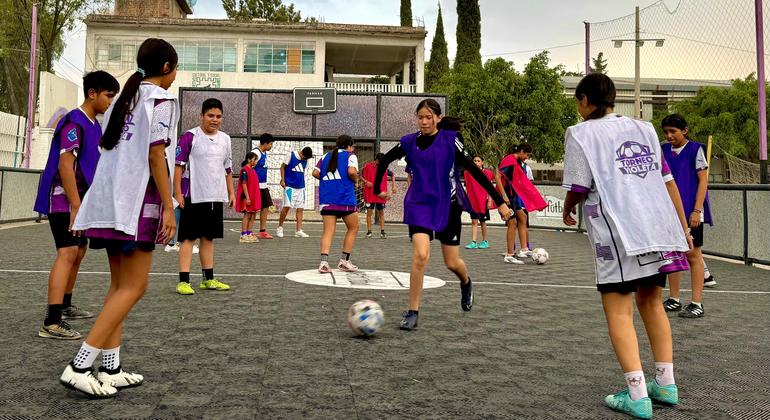
The Pan American Health Organization (PAHO), a UN-backed entity, has issued a warning regarding the potential for increased measles transmission during large-scale events due to rising case numbers and international travel. With the World Cup and other mass gatherings on the horizon, PAHO urges authorities to enhance surveillance, identify high-risk areas, and ensure travelers have access to information and vaccination services.
Rising Measles Cases
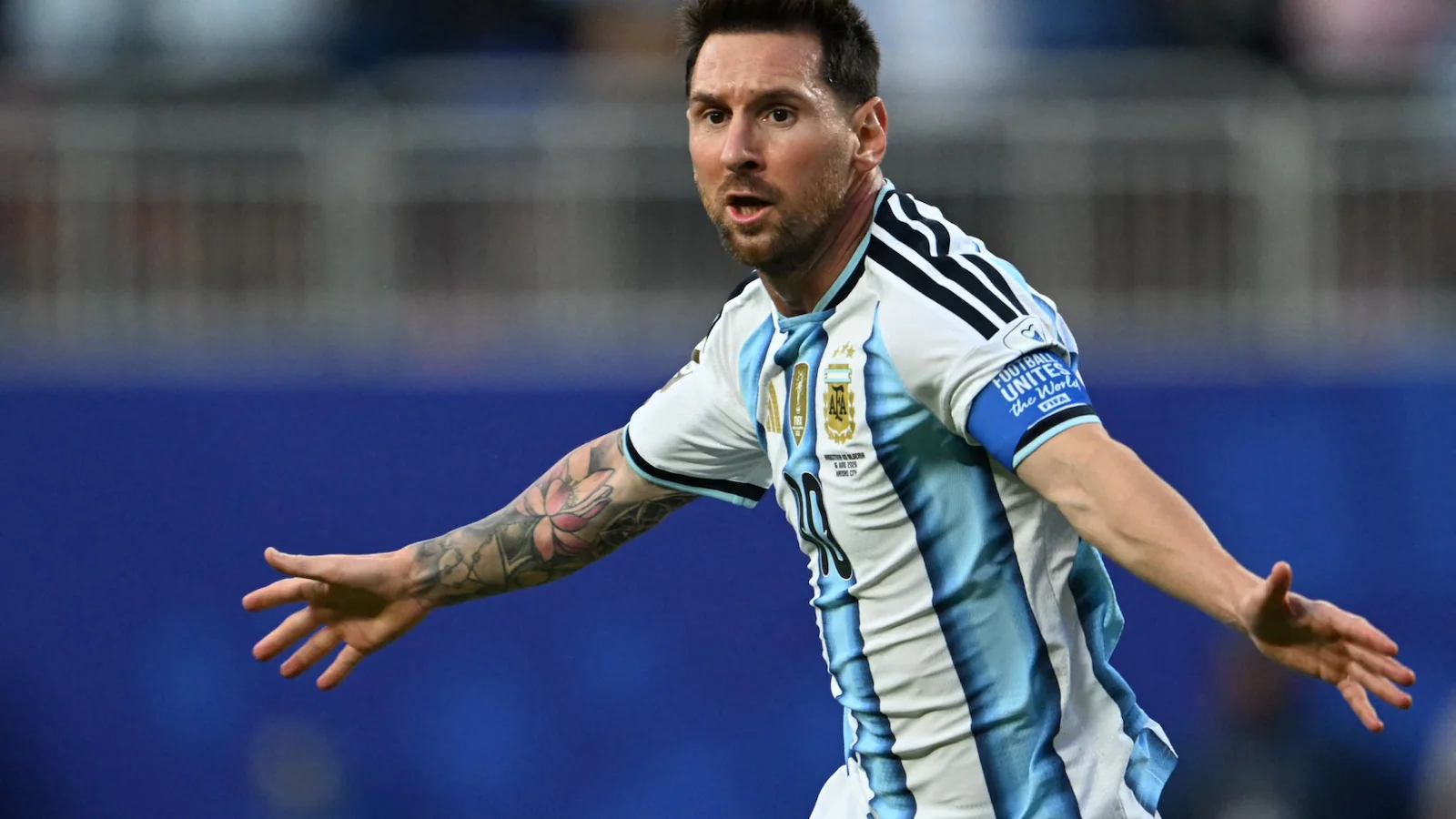
The world is preparing for the World Cup, scheduled to take place from June 11 to July 19 across Canada, Mexico, and the United States. This major sporting event coincides with a global and regional surge in measles cases. As of May 13 this year, over 184,000 measles cases have been reported in 155 countries, with nearly half confirmed. The majority of cases, 29%, are in the Southeast Asia region, followed by the Eastern Mediterranean at 21%, and Africa and the Americas each accounting for 19% of the global burden.
Regional Situation
In the Americas, 20,521 measles cases and 25 deaths were confirmed in 16 countries and one territory by mid-May. This represents a fourfold increase compared to the same period in 2023, with the total number of cases already surpassing that year’s annual count. Mexico has reported 10,920 cases and 13 deaths since January, while Guatemala has documented 6,209 cases and 12 fatalities. Canada has recorded 1,018 cases, and the United States has reported 1,952 cases. Other nations, including Bolivia, Belize, Costa Rica, El Salvador, Honduras, Panama, and Uruguay, have also reported outbreaks or imported cases. The majority of reported measles cases occurred in unvaccinated individuals or those with unknown vaccination status.
Safe Travel Recommendations
PAHO advises countries to inform travelers aged six months and older, who cannot provide proof of vaccination, to get a dose of the measles-rubella vaccine, preferably two weeks before traveling to areas with widespread disease. Travelers should also be informed about the symptoms of measles and rubella, such as fever, rash, cough, runny nose, red eyes, joint pain, and swollen lymph nodes. Those experiencing symptoms should seek immediate medical attention, wear a medical mask, avoid close contact with others, and stay away from public places for seven days to minimize transmission risk. Upon returning home, they should inform health professionals about their recent travel history.
Strengthening Health Defenses
PAHO is also calling on countries to bolster epidemiological surveillance in high-risk zones, including border areas, airports, and ports. The health organization recommends improving active case finding, ensuring rapid investigation of suspected cases, maintaining trained rapid response teams, and strengthening coordination for international contact tracing and outbreak response when necessary.