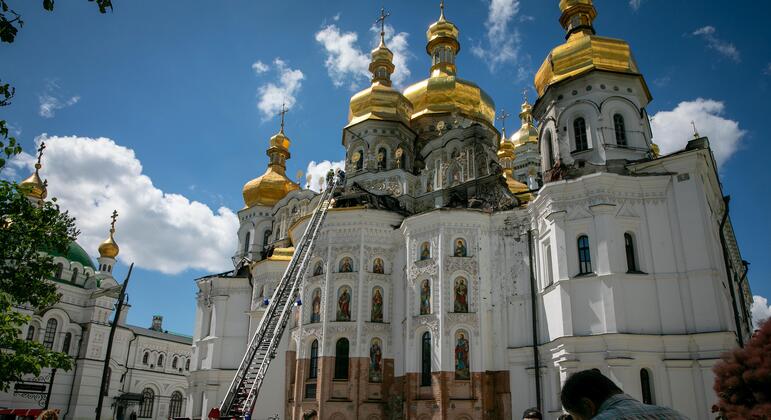

The war in Ukraine is becoming increasingly deadly, with a significant surge in civilian casualties and escalating attacks on humanitarian efforts, according to the United Nations. Kayoko Gotoh, Director of the UN Department of Political and Peacebuilding Affairs, highlighted a recent period of intense aerial bombardment, noting that “just in the past week, we witnessed one of the largest air bombardments against Ukraine since the full-scale invasion by the Russian Federation in February 2022.” Between May 13-14, Russia reportedly launched over 1,500 drones and dozens of missiles targeting cities across Ukraine.
Civilians Face Daily Attacks
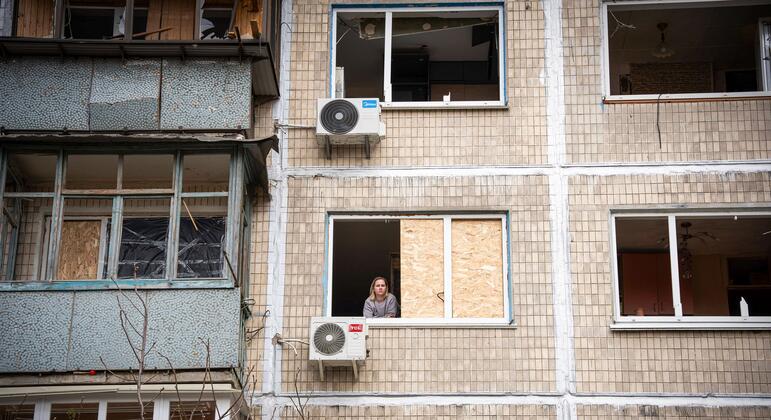
A particularly devastating strike on May 14 in Kyiv destroyed a nine-story apartment building, resulting in 24 deaths and at least 48 injuries. Gotoh stated, “These large-scale attacks have continued on a daily basis,” reporting that 238 civilians were killed and 1,404 injured in the past month alone. This marks the highest monthly civilian toll recorded since July 2025, indicating a rising trend in civilian harm. Attacks originating from Ukraine into Russia have also led to increased civilian casualties and damage to civilian infrastructure. On Sunday, four people were killed in attacks across Russia, including in Moscow, and four more died in Ryazan on May 15. “We strongly condemn all attacks against civilians and civilian infrastructure, wherever they may take place,” Gotoh asserted.
Humanitarian Aid Workers Under Fire
Gotoh also reported that UN personnel were involved in “two worrying drone-related incidents” last week. Edem Wosornu, a senior official from the UN Office for the Coordination of Humanitarian Affairs (OCHA), confirmed that “two separate convoys, clearly marked as part of the United Nations,” were hit on May 12 and 14. “These brazen incidents are not isolated. Within the same week, other humanitarian missions were hit, aid workers injured, and goods damaged,” Wosornu stated.
‘Attacks Are Intensifying’
Furthermore, three humanitarian aid workers were killed and 10 injured in the first four months of the year. “These attacks are intensifying, making humanitarian distribution impossible in some areas,” Wosornu said. “Humanitarian workers in Ukraine are taking immense risks to save lives. But the weapons being used – cheap and deadly – are rapidly changing the meaning of delivering life-saving aid.” Despite the dangers, the UN and its partners continue to deliver aid where access is possible, though needs continue to grow, with approximately $845 million raised so far against the $2.3 billion plan for Ukraine. Wosornu urged Council members to ensure respect for international humanitarian law and to provide timely funding for humanitarian operations.
Temporary Ceasefire and Prisoner Exchange
Amidst the escalating destruction and loss of life in Ukraine, Gotoh noted that the UN Secretary-General welcomed a three-day ceasefire agreement facilitated by the United States from May 9-11. However, he expressed regret over “reported violations on both sides, particularly along and near the front line, during the short ceasefire.” The Secretary-General is also deeply concerned by the Russian Federation’s increased attacks immediately following the ceasefire’s end. The Secretary-General also welcomed an agreement for the exchange of 2,000 prisoners of war, with an initial step taken on May 15 where parties returned 205 captives reciprocally.
Concerns for Displaced Ukrainian Children
Meanwhile, the UN remains concerned about the fate of children deported and forcibly transferred from Ukraine, whose “swift and safe return will require consistent engagement from both sides.” Concluding her briefing, Gotoh recalled that it has been one year since direct negotiations between Ukraine and Russia resumed. She noted that while the currently stalled direct talks have not yet yielded a breakthrough, diplomacy has enabled the return of thousands of prisoners of war and the burial of fallen soldiers. Gotoh stressed the need for negotiations to resume without further delay to prevent further escalation and make meaningful progress towards a full, immediate, and unconditional ceasefire.
Full Summary from Our Coverage of the Meeting
For a detailed analysis of the emergency session, including key statements made by ambassadors from Russia, Ukraine, and neighboring countries, click here: https://press.un.org/en/2026/sc16361.doc.htm