
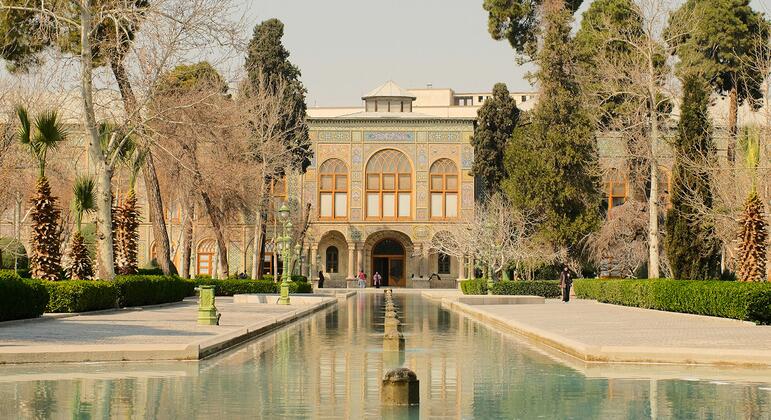
Ongoing conflicts in the Middle East pose a significant threat to cultural sites, including those recognized on UNESCO’s World Heritage List. Among the sites facing danger are Iran’s Golestan Palace, the Chehel Sotoun Palace and Masjed-e Jame mosque in Isfahan, and the Prehistoric Sites of the Valley of Khorramabad. The White City of Tel Aviv in Israel and the ancient city of Tyre in Lebanon have already sustained damage within the first three weeks of hostilities.
UNESCO Issues Warnings
UNESCO has stated it will provide the geographical coordinates of World Heritage sites to all relevant parties, urging them to take all possible measures to prevent damage. The agency highlighted that numerous other cultural sites across countries including Armenia, Azerbaijan, Bahrain, Cyprus, Iraq, Jordan, Kuwait, Oman, Palestine, Qatar, Saudi Arabia, Syria, Turkey, the United Arab Emirates, and Yemen are also at risk.
Education, Science, and Media Under Pressure
The deteriorating security situation in the region is also adversely affecting schools, universities, and journalists. Educational personnel, students, and infrastructure are facing escalating dangers. UNESCO expressed deep concern over the current security situation impacting educational, scientific, and research institutions in the region. This situation is causing significant disruptions to learning, research, and access to information, posing immediate risks to children, youth, teachers, researchers, and education professionals. Furthermore, it weakens the very institutions societies rely on for recovery, dialogue, peace, and stability.
Risk of a ‘Deeper Learning Crisis’
UNESCO warns that continued violence could lead to a profound learning crisis across the Middle East. This crisis would be characterized by the further marginalization of the most vulnerable children, loss of teachers and researchers, weakened public trust in institutions, and lasting damage to the region’s scientific capacity. The agency emphasized that schools, universities, laboratories, and research institutions are not merely service providers but integral parts of the region’s social fabric and future human capital. Protecting these sites is therefore not only a humanitarian imperative but also fundamental for long-term recovery, resilience, and peace.