
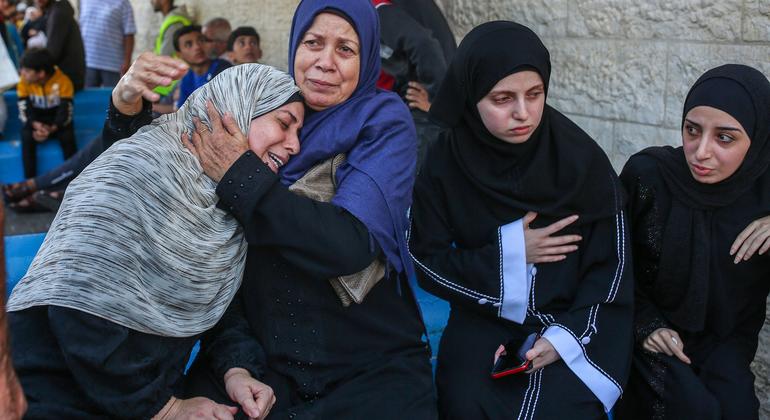
Mona’s story, who lost her family during an attack in Gaza and subsequently her leg, exemplifies the devastating impact of war on women and girls. Her experience reflects the harsh realities faced by millions of women in contemporary conflicts.
As the United Nations observes its Week to Protect Civilians, the number of active conflicts globally has reached its highest point since 1946. With conflicts becoming longer and more intense, they are increasingly fought in populated areas rather than distant battlefields. This leads to the destruction of homes, schools, hospitals, and shelters, with civilian populations bearing the brunt of the violence.
Women as Victims
While bombs do not discriminate by gender, the consequences of war disproportionately affect women and girls. According to UN reports, nearly one-fifth of the 37,000 civilians killed in 2025 across 20 armed conflicts were women. Women and girls are more likely to face displacement, interrupted education or employment, lack of access to healthcare, and endure sexual violence, hunger, and extreme poverty. As societies crumble, many women are burdened with caring for children, elderly relatives, and the injured while striving to survive. By December 2025, 38,000 women and girls had lost their lives in Gaza due to the war.
Surge in Sexual Violence
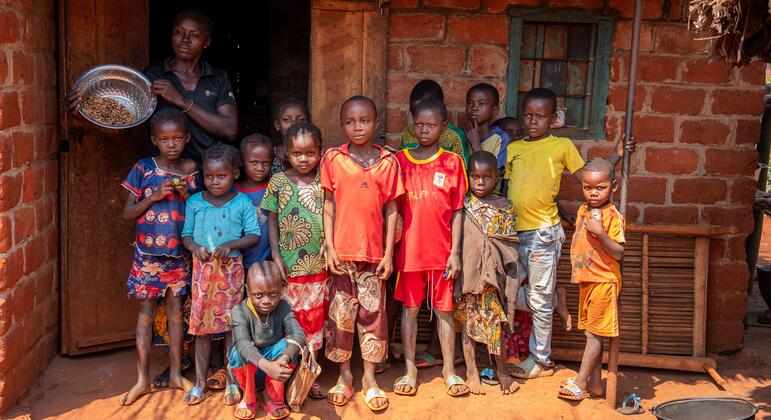
The UN verified over 9,300 cases of conflict-related sexual violence in 2025, more than double the previous year. However, officials warn the actual number could be significantly higher, as many victims do not report the abuse. Over 95% of reported cases involve women and girls. In Sudan, where conflict has raged for four years, the number of women and girls needing support post-sexual violence has doubled in two years and quadrupled since the conflict began. Women are attacked in their homes and while searching for food, water, and medical aid. Conflicts also trigger mass displacement. By the end of 2024, over 123 million people worldwide were forcibly displaced due to war, violence, and persecution. Women and girls fleeing conflict often encounter overcrowded shelters, separation from family members, exploitation, and repeated displacement.
Collapse of Health Systems
In Gaza, the UN reported that 94% of hospitals were damaged or destroyed by December 2025. This forces women to give birth without adequate medical care and leaves injured civilians struggling to access treatment. Nearly 700,000 women and girls are unable to manage their menstruation regularly due to a scarcity of hygiene materials and unsafe living conditions. The psychological toll is also immense. Women in countries like Afghanistan, Ukraine, Gaza, and Lebanon face widespread depression, anxiety, and post-traumatic stress disorder, often with limited access to mental health services.
A Call for Inclusion
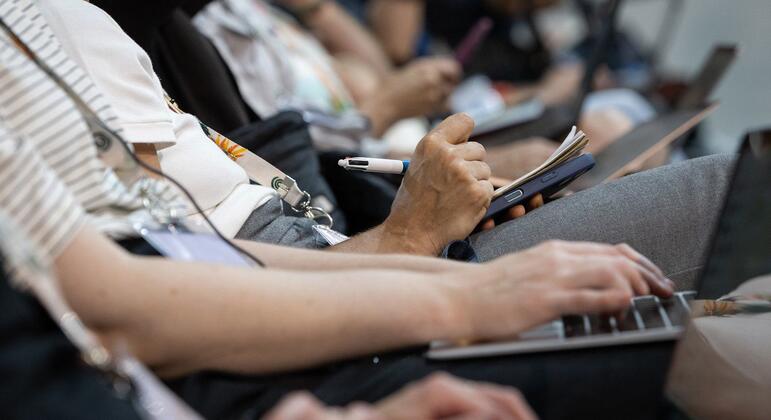
Despite bearing a significant burden of survival during wartime, women continue to be largely excluded from peace negotiations and political decision-making processes. Globally, women constitute only 7% of negotiators and 14% of mediators in formal peace processes. Yet, women remain at the forefront of survival and recovery efforts in conflict zones, managing community kitchens, supporting displaced families, rebuilding livelihoods, and advocating for peace. The UN emphasizes that without increased protection, funding, and inclusion for women and girls, modern warfare will deepen inequality and further devastate generations struggling to survive.