
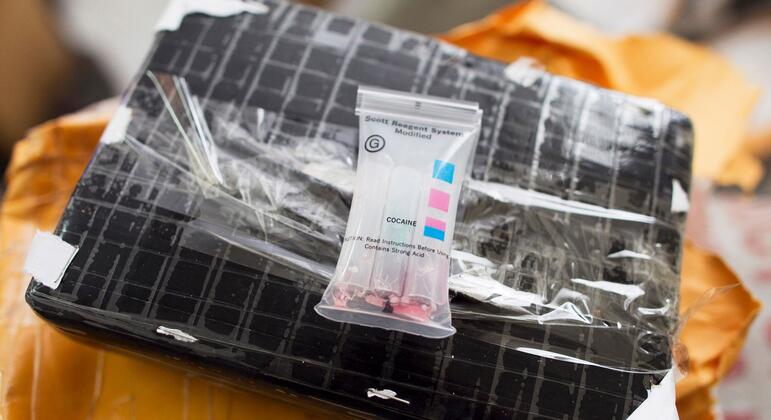
The International Narcotics Control Board (INCB) has successfully intercepted 3 tons of 1-boc-4-piperidone, a key chemical precursor used in fentanyl production, preventing its diversion to illicit channels. This intervention, which occurred in March 2025, would have enabled the production of between 1.4 and 3.3 tons of fentanyl, translating to approximately 700 million to 1.6 billion lethal doses, had it not been seized.
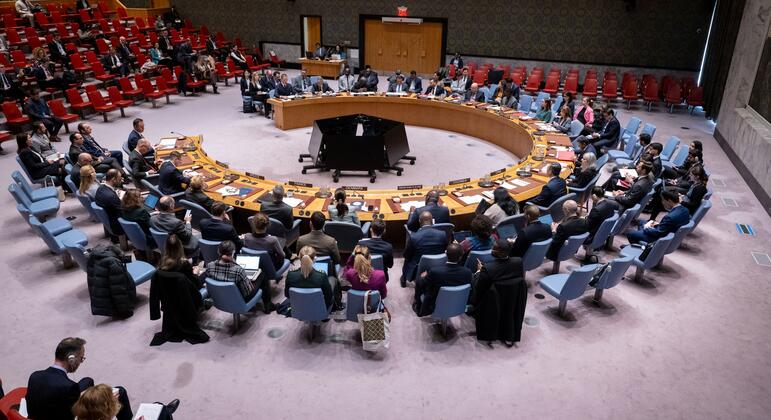
Featured in the INCB’s 2025 Annual Report, this operation is highlighted as an “international success story” in the board’s collaborative efforts. INCB President Professor Sevil Atasoy stated, “While combating drug trafficking and abuse, ensuring access to essential medicines has been effectively managed through drug control treaties for the past 60 years. Our role is to strengthen the cooperative efforts of countries and regions.”
A System Based on Cooperation
The INCB is an independent, semi-judicial body that oversees the implementation of the three international drug control treaties adopted in 1961, 1971, and 1988. Under these agreements, governments provide estimates and statistical reports to the INCB to monitor the cultivation, production, and trade of controlled substances.
According to the report, this system has proven effective in keeping the diversion of legally manufactured narcotic drugs to illicit markets at “very low” levels, while the leakage of psychotropic substances like heroin and other opioids has been “almost entirely stopped.” In 2025, over 190 countries and territories collaborated through the online Pre-Export Notification (PEN) platform, monitoring more than 34,000 planned international shipments of controlled precursor chemicals.
Evolving Threats and Shifting Markets
Despite this cooperation, the Board warns that trafficking networks are rapidly adapting. Cocaine trafficking continues to be the fastest-growing illicit drug market, expanding into Asia and Africa due to increased production in South America. In Europe, cocaine trafficking targeting Western and Central Europe has “significantly increased,” while the production of synthetic drugs is also becoming more widespread.
Although North America has seen a decrease in synthetic drug-related overdose deaths – 17% in Canada and 27% in the United States – the Board noted it is too early to determine if this decline represents a lasting trend. In Africa, the trafficking of pharmaceutical opioids (including substandard products) has been identified as a major concern, while the South Asia region accounts for one-third of the world’s estimated opioid users. In East and Southeast Asia, methamphetamine remains a significant synthetic drug threat, with record seizures being reported.
Inequalities in Access
While the global supply of opioid painkillers remains stable, the Board has highlighted persistent inequalities in access to pain relief medications, particularly in low- and middle-income countries. Many nations continue to report difficulties in procuring morphine-containing medicines, and enhancing the availability and affordability of psychotropic substances is among the priority issues.
Professor Atasoy emphasized, “Protecting people’s health from the dangers of illicit drugs is a common and shared responsibility. The international drug control system relies on the willingness and capacity of countries to work together.”