
Haiti’s government has launched new judicial units to tackle complex corruption cases, including illegal arms trafficking and money laundering. This initiative follows escalating gang violence, which has seen courts targeted, vandalized, and occupied, while judges and justice officials face threats and attacks.
The country, long grappling with political instability, systemic corruption, and pervasive gang activity, will also utilize these units to address severe human rights violations perpetrated by gangs. These include killings, kidnappings, sexual violence, and child trafficking.
Independence is Crucial for New Units
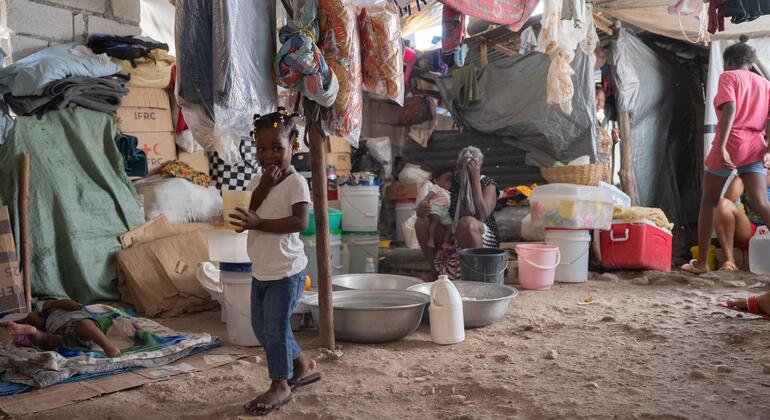
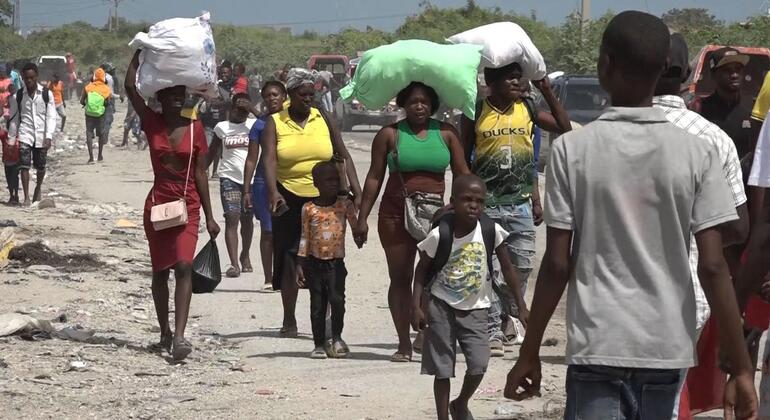
So far this year, gang-related violence has resulted in at least 2,310 deaths, 1,106 injuries, and 99 abductions. Additionally, 699 individuals, predominantly women and girls, have suffered sexual violence, with hundreds of children continuing to be kidnapped by gangs.
The UN Human Rights Office (OHCHR) emphasized the necessity for these specialized units to be competent, impartial, and independent, both institutionally and individually. “This is essential to build public confidence in the justice system. The safety of judges and the security of the courts must also be protected,” stated spokesperson Marta Hurtado in Geneva.
Paving the Way for Accountability
If functioning correctly, these units are expected to facilitate accountability, enabling victims to access justice and reparations. They are also anticipated to strengthen the rule of law, combat corruption, and restore public trust in a judicial system that is currently largely dysfunctional.
UN High Commissioner for Human Rights Volker Türk urged Haitian authorities, with the support of the international community, to swiftly implement the specialized judicial units in line with international human rights law and best practices.