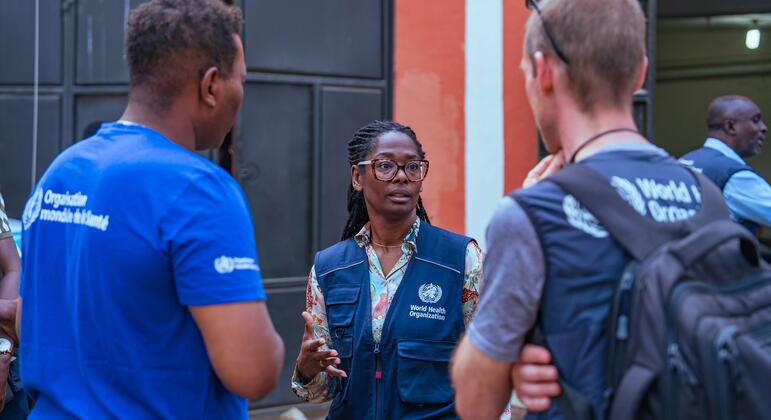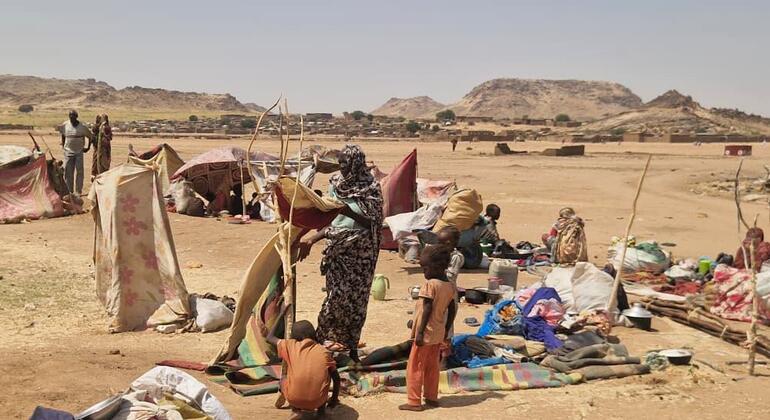

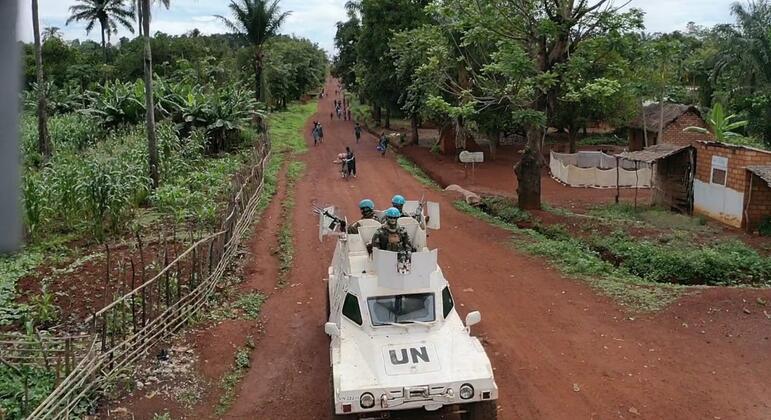
Senegalese soldiers serving with the UN peacekeeping mission MINUSCA in the Central African Republic (CAR) are frequently deployed to engage aggressors. Colonel Gérald Aranda Assine, commander of the Senegalese contingent, described the clashes as “lasting several hours under extremely difficult conditions,” which is “extremely draining psychologically, physically, mentally, and morally.” As part of the Quick Reaction Force, the ‘blue helmets’ supported the Central African Armed Forces (FACA) in repelling rebels, preventing the capture of Zémio, and ensuring elections proceeded as planned. Colonel Assine stated, “Our soldiers held their positions and at the same time managed to protect the sites where refugees were gathered.”
From Battlefield to Football Pitch
Serving as a ‘blue helmet’ involves a wide range of responsibilities beyond military intervention, from providing free medical assistance and conducting patrols to meeting with community leaders. In the country’s west, in an area where the “3R” (Retour, Réclamation, Réhabilitation) armed group agreed to disarm in 2025, peacekeepers are rebuilding connections between people divided by years of conflict. Former 3R fighters, elements of the regular army, and civilians participate in community events, even playing together in a football match that would have been unthinkable just months prior.
Impact on Mental Well-being
The stark contrast between the demanding nature of the tasks assigned to peacekeepers underscores the critical importance of their well-being and mental health. Colonel Assine explained this involves regular sports and cultural activities, as well as maintaining strong ties with their families, even when stationed in the most remote locations. “Looking at your children and smiling, showing them that everything is fine despite the difficult environment you are in, is extremely important,” he added.
‘I Know I Am Safe Now’
Engagements with the local population add a humanitarian dimension to the soldiers’ mission. Colonel Assine met with a former child soldier who managed to escape an area controlled by armed groups. The child stated, “I know my life will not be threatened because the Quick Reaction Force is there. I know I am safe now.” Thanks to MINUSCA’s efforts, schools in Zémio have reopened, and medical campaigns are ongoing. Residents fleeing violence are returning and, with the mission’s support, young people can go back to school. For the military commander, moments like these give the mission its full meaning.
One Desire: The Definitive Return of Peace
Beyond the intensity of military operations, what will remain etched in his memory is the courage of the Central African people. “I will take with me the courage and resilience of these people who have agreed to accept the rebels who were their executioners not long ago. They have only one desire: the definitive return of peace,” said Colonel Assine. As he prepares to depart CAR, the commander hopes the population will remember a contingent that strove to do more than just provide a secure environment. “The protection of civilians was at the heart of our actions. There is no nobler mission than being a soldier in the service of peace, than being a United Nations soldier,” he declared.