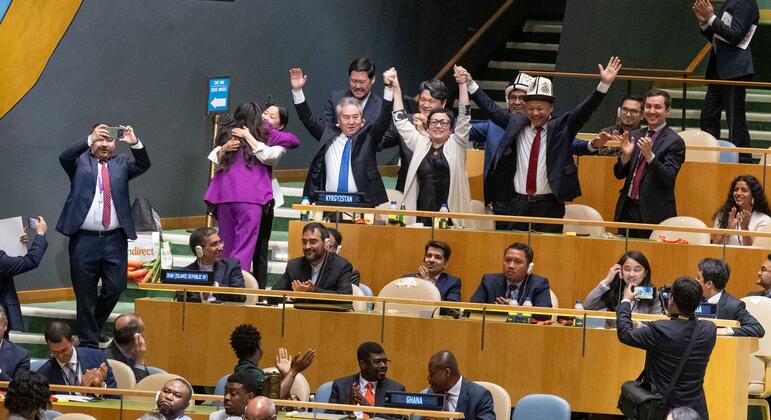

United Nations Secretary-General António Guterres has issued a stark warning, stating that humanity is facing the highest number of conflicts since the UN’s inception. Speaking at a high-level Security Council debate hosted by China, Guterres emphasized that while the UN Charter serves as a survival guide, its core principles are under immense strain due to escalating geopolitical divisions and conflicts.
“We are facing the highest number of conflicts in my lifetime,” Guterres stated. He highlighted a dangerous erosion of respect for international law, with fundamental principles like sovereignty, territorial integrity, and the prohibition of the use of force being challenged or disregarded. “Violations go unanswered. Impunity breeds contempt,” he added, pointing to a series of interconnected global crises testing the resilience of the post-World War II international system.
These crises include deepening geopolitical insecurity, rising military spending, advancements in artificial intelligence and autonomous weapons, attacks on human rights, increasing inequality, and the worsening climate crisis. Guterres also noted that divisions within the Security Council weaken its ability to intervene effectively. “This Council too often fails to act with unity and purpose,” he observed.
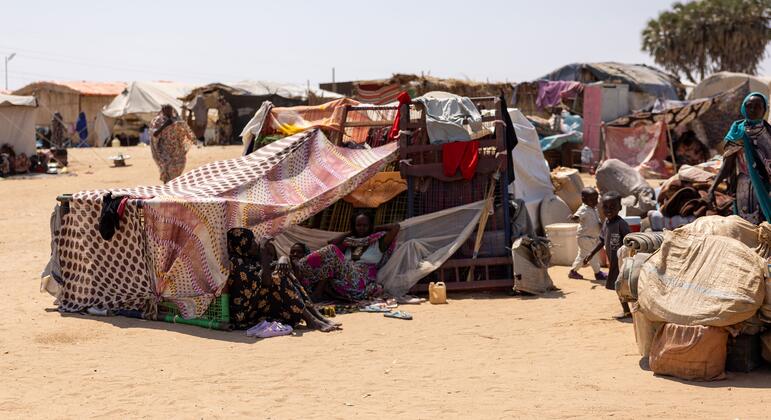
Addressing ongoing conflicts in Ukraine, the Middle East, and Sudan, Guterres stressed the imperative to avoid further escalation, which exacts a devastating toll on civilians. He also pointed to the record-high global military expenditures juxtaposed with cuts in development and humanitarian aid.
To restore credibility to international institutions, Guterres called for greater investment in diplomacy and mediation, consistent application of international law without “selectivity” or “double standards,” and reform of global institutions to reflect contemporary geopolitical realities. He specifically noted that the lack of permanent African representation on the Security Council is a “historical injustice” that undermines the organ’s legitimacy and effectiveness.
“Global institutions must reflect today’s realities, not those of 1945,” Guterres asserted. He urged Council members to move beyond rhetoric and act collectively to uphold international peace and security, stating, “The world is watching and demands action, not just words.”
What is the UN Charter?
The UN Charter is the foundational document of the United Nations and the legal cornerstone of the post-war international system. It establishes core principles governing inter-state relations, including sovereign equality, peaceful settlement of disputes, and the prohibition of the use of force against another State. The Charter also established the six principal organs of the UN: the General Assembly, the Security Council, the Economic and Social Council, the Trusteeship Council, the International Court of Justice, and the Secretariat. Signed in San Francisco in June 1945, it entered into force in October of that year. It has been amended three times.
Challenging Times
The Secretary-General pointed to a series of interconnected global crises testing the resilience of the post-World War II international system. These include deepening geopolitical insecurity, accelerating military spending, artificial intelligence (AI) and autonomous weapons, attacks on human rights, rising inequality, and the worsening climate crisis. “These seven challenges are interconnected,” Guterres said, “And they are testing the resilience of the Charter itself.” He also warned that divisions within the Security Council weaken its ability to respond effectively to global crises. “This Council too often fails to act with unity and purpose,” he stated. “When the Security Council is divided, the consequences are felt far beyond [this Hall].”
Wars in Ukraine, the Middle East, and Beyond
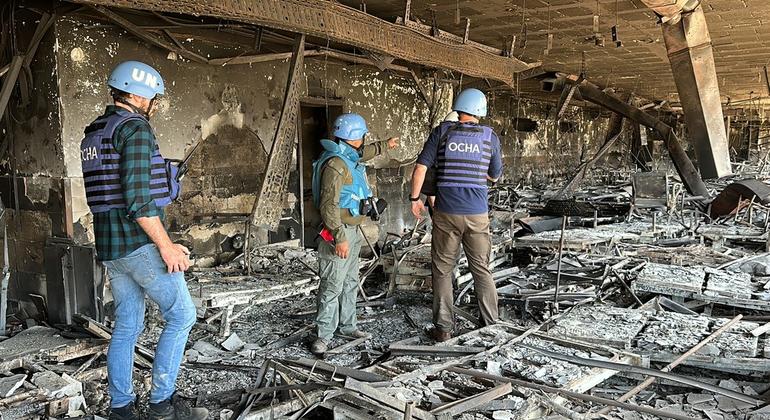
The Secretary-General warned against further escalation, referencing ongoing conflicts in Ukraine, the Middle East, and Sudan. He expressed “deep concern” over Russia’s announcement of intent to launch “sustained and systematic attacks” following reports of the bombing of a college in Russian-occupied territory. “It is now more imperative than ever to avoid a spiral of escalation that exacts a devastating toll on civilians,” he said. Guterres also raised concerns about Israel’s announcement to expand operations in Lebanon, violations of the ceasefire in Gaza, and uncertainties surrounding negotiations between the US and Iran.
Global Arms Race
Beyond conflicts, the Secretary-General spoke of a destabilizing global arms race occurring alongside cuts in development and humanitarian aid. “Global military spending is at record highs, while resources for development and humanitarian needs are being cut, even as the production of lethal weapons becomes cheaper,” he stated. Central to his address was a call to restore trust in multilateral institutions through diplomacy, accountability, and reform. Avoid Double Standards Member states were urged to invest more in conflict prevention and mediation, apply international law without “selectivity” or “double standards,” and reform global institutions to reflect contemporary geopolitical realities. “Global institutions must reflect today’s realities, not those of 1945,” Guterres said, noting that the lack of permanent African representation on the Security Council is a “historical injustice” that undermines the organ’s legitimacy and effectiveness. Guterres concluded by urging Council members to move beyond rhetoric and act collectively to uphold international peace and security. “The world is watching and demands action, not just words,” he said.