
The Baku Call, shaped by voices from 176 countries, presents a collective roadmap for the global housing crisis through a series of recommendations. These include redefining housing as a system, tackling interconnected pressures like rising costs and land speculation, recognizing the inseparable link between housing and climate justice, scaling up climate-resilient housing, and translating commitments into action.
Success Without Cities and Housing is Impossible
UN Deputy Secretary-General Amina Mohammed stated at the closing ceremony of the 13th World Urban Forum (WUF13), “There is no way to deliver the 2030 Agenda without sustainable urbanization and adequate housing.” Mohammed emphasized that the mission is now to shape inclusive, resilient cities that can provide safe housing and opportunities for all.
Record Participation, Global Reach
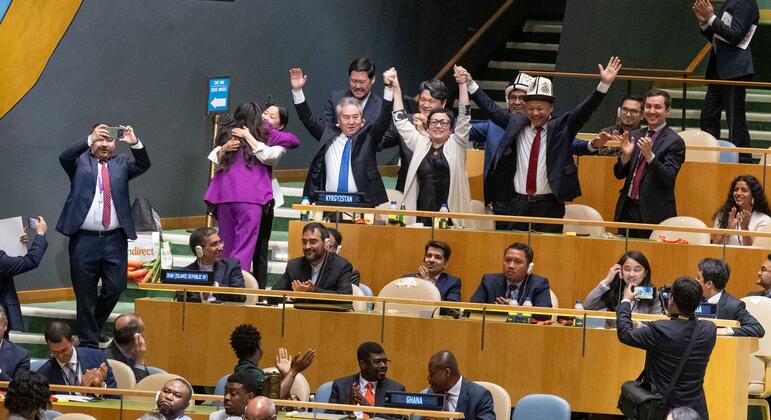
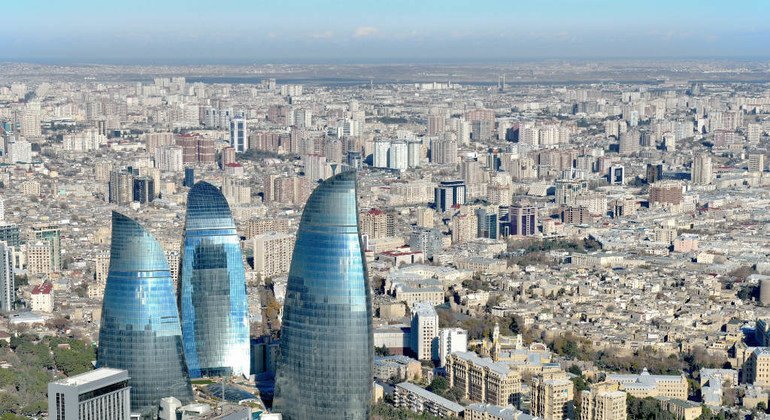
The World Urban Forum, organized by UN-Habitat and the Government of Azerbaijan, achieved record participation, bringing together over 57,000 attendees from 176 countries. Baku hosted 11 heads of state, 88 ministers, and 130 mayors. Throughout the Forum, 579 events were held, and the largest city exhibition attracted more than 74,000 visitors.
‘Home is Where Dignity Begins’
According to Amina Mohammed, the housing crisis is at the center of global challenges, from poverty and inequality to climate change, conflict, and instability. Mohammed explained, “Adequate housing means access to clean water and sanitation, energy for cooking or heating the room. It’s about affordability, security, and tenure security.” She added that cities are the “architecture of priorities” and reflect what humanity chooses to build, how, and for whom. “Home is where dignity begins,” she stressed.
A Test for Cooperation
The Deputy Secretary-General cautioned that the Forum occurred during a challenging period for global cooperation. However, Mohammed asserted that cooperation is the only way to overcome challenges of this scale, pointing particularly to the role of local governments.
A Decisive Moment for Housing
UN-Habitat Executive Director Anacláudia Rossbach said the Forum sent a “strong and unified message” about the urgency of action. “We are at a decisive moment for the future of housing. We can no longer afford inaction,” Rossbach stated. She noted that housing systems are strained by inequality, real estate speculation, poor governance, rapid urbanization, displacement, and the climate crisis. “Housing markets are clearly failing to meet people’s needs. Billions are being pushed into inadequate, unsafe, and unaffordable living conditions,” she added. Rossbach made it clear that the Forum demonstrated housing should not be viewed as a mere market commodity, asserting, “Housing is not a commodity. Housing is a human right.”
From Commitments to Implementation
Throughout the Forum, there was broad consensus that political commitments must be matched with practical solutions. Francine Pickup, head of the UN Development Programme (UNDP) delegation, highlighted that access to finance is a central challenge, especially for small and medium-sized cities. Pickup added that governance is equally critical. UN Resident Coordinator Stefan Priesner emphasized the scale of urban transformation in India and stated the UN system is proud to support this journey.
Baku Delivers a Legacy
For Azerbaijani officials, hosting the Forum was a landmark event. Anar Guliyev, Chairman of the State Committee for Urban Planning and Architecture, said WUF13 would be remembered not just for its scale but for its impact. “WUF13 will go down in history not only as the largest Forum but also as the platform that brought housing back to the center of the global political agenda,” he stated. The next session, WUF14, will be held in Mexico in 2028.
Time is Running Out
As participants departed Baku, a sense of urgency was palpable. With the 2030 deadline for the Sustainable Development Goals approaching, Mohammed warned that the pace of change must accelerate. “The next decade of the New Urban Agenda cannot look like the last one,” she stated. “We want more ambition, more financing, more climate action and resilience, more political urgency.”