
Kazakhstan, Kyrgyzstan, Tajikistan, Turkmenistan, and Uzbekistan are celebrating two decades as a nuclear-weapon-free zone. The accord signifies their voluntary commitment to refrain from developing, acquiring, testing, or deploying nuclear weapons.
Christopher King, Chief of the Weapons of Mass Destruction Branch at the UN Office for Disarmament Affairs (UNODA), highlighted the enduring importance of these zones. “Nuclear-weapon-free zones (NWFZs) are not only historical achievements but also living instruments of regional security, non-proliferation and nuclear risk reduction,” he stated.
A Model of Regional Cooperation
King emphasized that the Central Asian zone serves as a prime example of effective regional cooperation, uniting five nations under a legally binding agreement. He added, “Such zones contribute to transparency, confidence-building and risk reduction, and they can help maintain a practical bridge between regional security concerns and global non-proliferation and disarmament architecture.”
Yerzhan Ashikbayev, First Deputy Minister of Foreign Affairs of the Republic of Kazakhstan and head of his country’s delegation at the 2026 review conference of the Nuclear Non-Proliferation Treaty, believes the zone’s impact extends globally. “The contribution of the Semipalatinsk Treaty to ensuring security not only in Central Asia but also beyond its borders, is undeniable,” he remarked.
Ashikbayev explained that the zone’s establishment reflects a collective dedication by regional countries to foster peace, stability, and security, while also addressing the lingering effects of nuclear testing.
Enduring Relevance Amidst Tensions
Despite growing geopolitical tensions, some experts have raised questions about the long-term viability of such agreements. However, Ashikbayev countered this view, arguing, “On the contrary, in such critical periods the zone demonstrates that its existence is a positive factor.” He further noted that Kazakhstan remains dedicated to multilateral diplomacy, with the zone’s continued development integral to this policy.
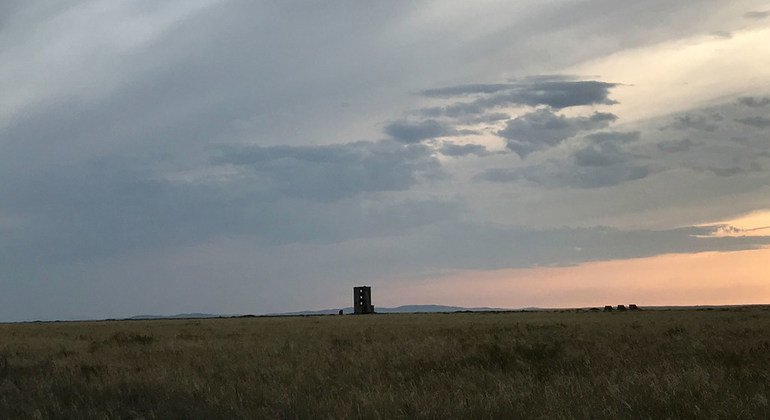
Ashikbayev also pointed out that the Central Asian model is attracting interest internationally, stressing that the formation of new zones must stem from the sovereign decisions of the involved states. Meanwhile, the region continues to grapple with the legacy of its nuclear past, particularly near the former Semipalatinsk test site. Rehabilitation programs are actively underway, including the establishment of a modern oncology center and the gradual return of restricted territories to economic use following comprehensive assessments.