
For the past decade documenting the culinary narratives of South India, I’ve frequently found myself explaining that South Indian cuisine is not a monolith. It extends far beyond the ubiquitous idli, dosa, sambar, or biryani. This vast culinary region encompasses the fiery complexities of Rayalaseema cuisine, the subtle coconut-infused flavors of Kerala, the robust meat traditions of Kongunadu, the layered spice routes of Malabar, the seafood cultures of coastal Karnataka, and the slow-cooked comforts of Chettinad kitchens. Despite this rich diversity, South Indian food is often evaluated through a narrow, national lens.
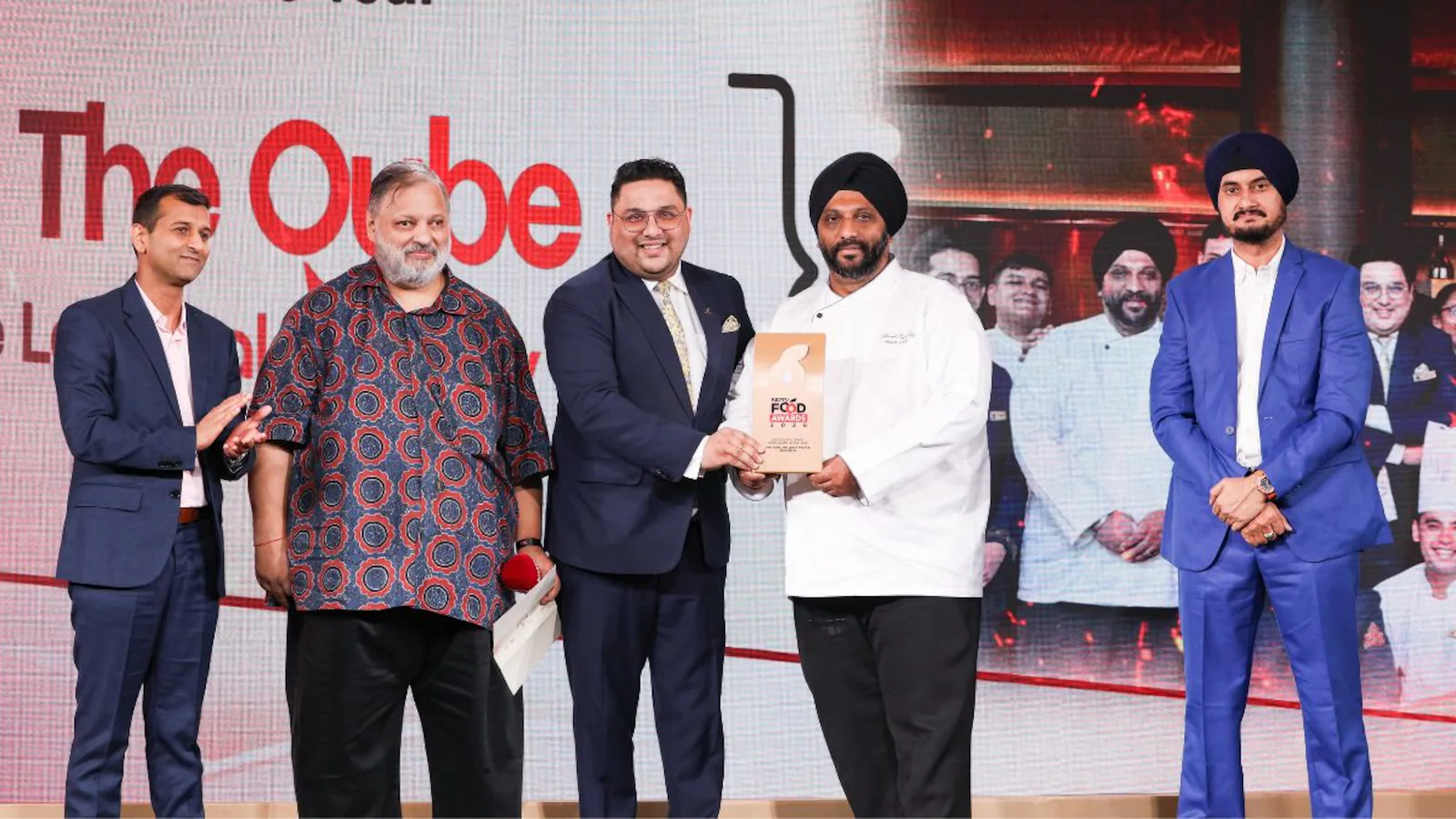
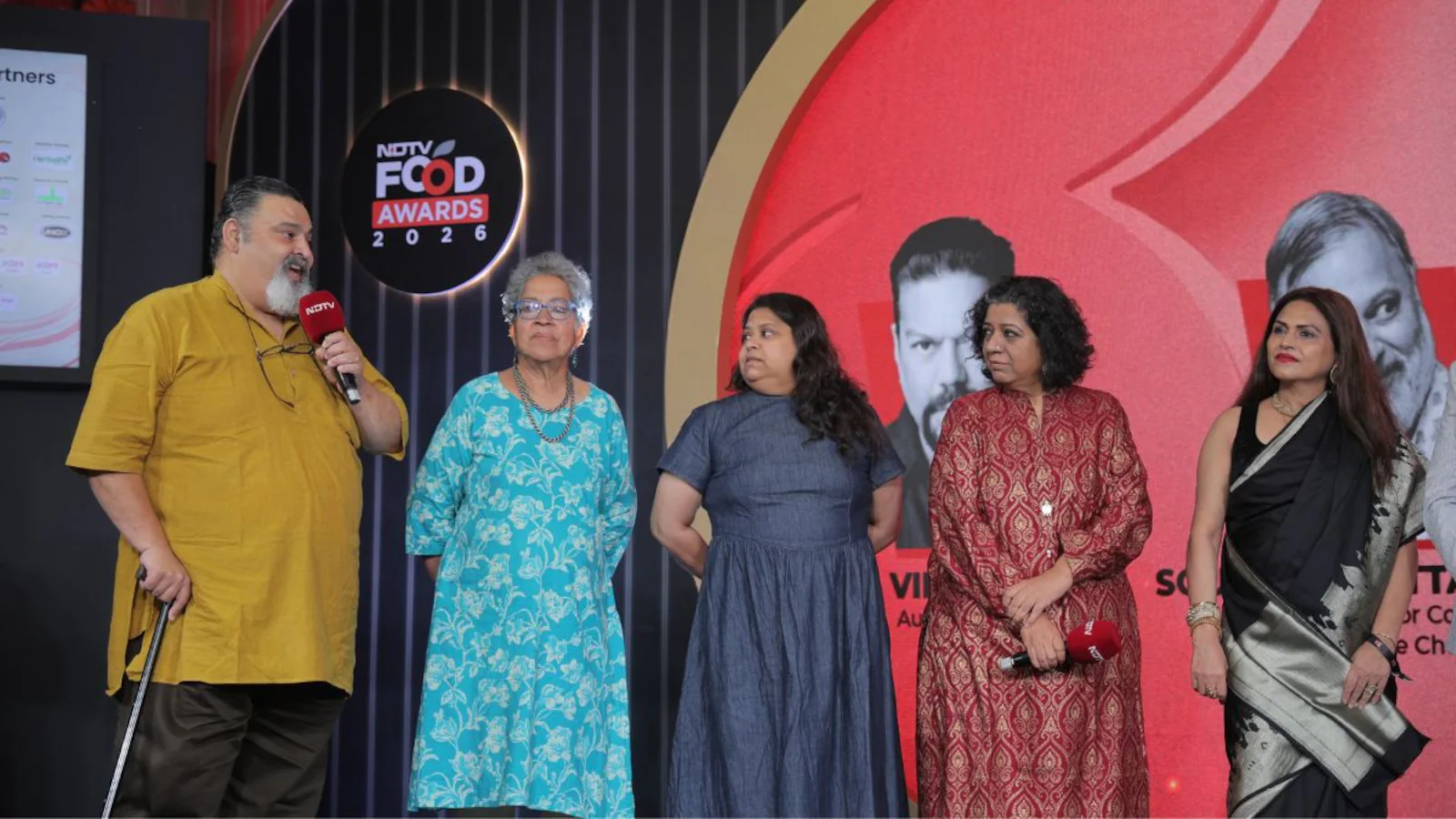
Having had the privilege to represent South India as an academy member with Culinary Culture and, more recently, to serve on the jury for the NDTV Food Awards 2026, I’ve been privy to conversations defining culinary excellence in India. These experiences have reinforced a question I’ve pondered for years: can a country as diverse as India truly be assessed through a single evaluative framework for its restaurants?
India is not a singular food market. A diner in Mumbai approaches a restaurant differently than one in Chennai. The expectations of a patron in Delhi might not align with those of someone dining in Kochi or Hyderabad. Each city possesses its unique food culture, shaped by history, economy, migration, and local sensibilities.
In most southern cities, people are deeply connected to food but interact with restaurant culture in varied ways. Some markets celebrate innovation and destination dining, while others prioritize consistency, familiarity, and emotional connection. A restaurant that has served generations of families for decades holds as much significance for its city’s food culture as a new chef-driven concept.
Mumbai celebrates the experience. Delhi embraces destination dining and flair. Bengaluru thrives on chef-led innovation. Chennai values consistency and authenticity. Kochi champions local sourcing and cultural memory. Hyderabad balances heritage with scale. These distinctions are not limitations; they are what make India’s food landscape so captivating.
Restaurants with strong marketing ecosystems naturally gain more visibility. However, a restaurant’s ability to tell its story should not be confused with the inherent merit of the story itself. Yet, when it comes to national recognition, we often rely on a similar set of excellence markers: chef visibility, media presence, social media recall, design aesthetics, luxury positioning, and PR efforts. These are important indicators, but they are not universal. Beyond Bengaluru, many South Indian cities are not traditionally chef-driven markets. Restaurants are often built around founders, family legacies, and community trust rather than celebrity chefs.
Restaurants in different cities operate vastly differently. Reputation is built through word-of-mouth, repeat customers, and community loyalty, rather than media visibility. They don’t have dedicated PR teams or agencies pitching their stories to national publications. They don’t optimize menus for social media. They aren’t chasing awards. They simply focus on delivering consistently good food. Yet, their impact on the local food culture can be immense.
A restaurant in Madurai can shape the eating habits of generations without ever making a national list. A seafood institution in Kerala can define a region’s culinary identity without appointing a celebrity chef spokesperson. A neighborhood eatery in Chennai can become part of a city’s collective memory by doing one thing exceptionally well for decades. This difference in how markets function is often overlooked.
Consider Chennai, for instance. The city hosts one of the country’s strongest Korean and Japanese expat communities, leading to a burgeoning ecosystem of authentic East Asian restaurants. Many of these establishments are run by immigrants themselves, catering to a deeply knowledgeable clientele. Yet, viewed through a national lens, Chennai is still reduced to a city of sambar, idli, and biryani. While these dishes are undoubtedly part of its identity, they don’t tell the full story.
Food cultures are not museums. They are living, evolving ecosystems shaped by migration, economy, technology, and the communities that house them. The ability to embrace new influences while preserving culinary traditions is what makes regional food cultures dynamic. The challenge arises when we continue to define cities by a few dishes, rather than acknowledging the complexity of their evolving food identities.
The challenge, therefore, is not merely one of representation. It is a matter of perspective. Are we evaluating restaurants within the contexts in which they operate? Or are we unconsciously measuring every market by the same metropolitan-centric yardstick?
This is not an argument against innovation, fine dining, or chef-driven restaurants. Nor is it a call for token representation. Excellence must remain the benchmark. But excellence can take many forms. A restaurant that preserves culinary traditions with consistency and integrity deserves as much consideration as one pushing boundaries through experimentation. Authenticity and innovation are not opposing ideas. Heritage and modernity can coexist.
National awards and platforms play a significant role in shaping public perception. They influence where people travel, what they eat, and whose stories get told. As India’s food landscape continues to evolve, perhaps our frameworks for recognition need to evolve with it.
Because the question is not whether one region deserves more awards than another. The real question is: are we recognizing the best restaurants in India, or the restaurants that best fit our current definitions of excellence?