
NASA is advancing its long-term lunar mission objectives by aiming to automate routine tasks with robots, thereby allowing astronauts to dedicate more time to scientific research and exploration. This initiative requires sophisticated robotic motion control, advanced decision-making capabilities, and object recognition technologies.
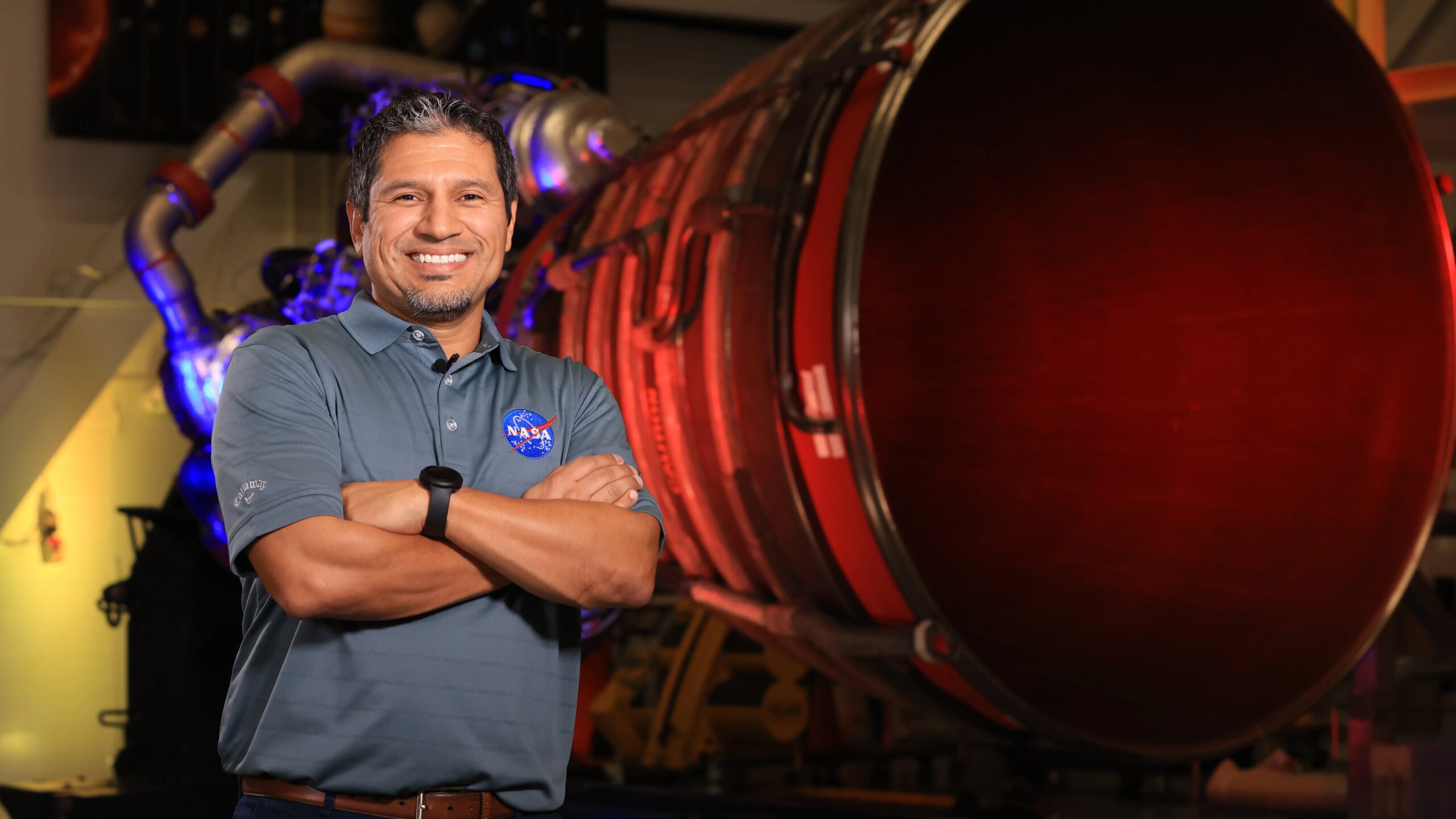
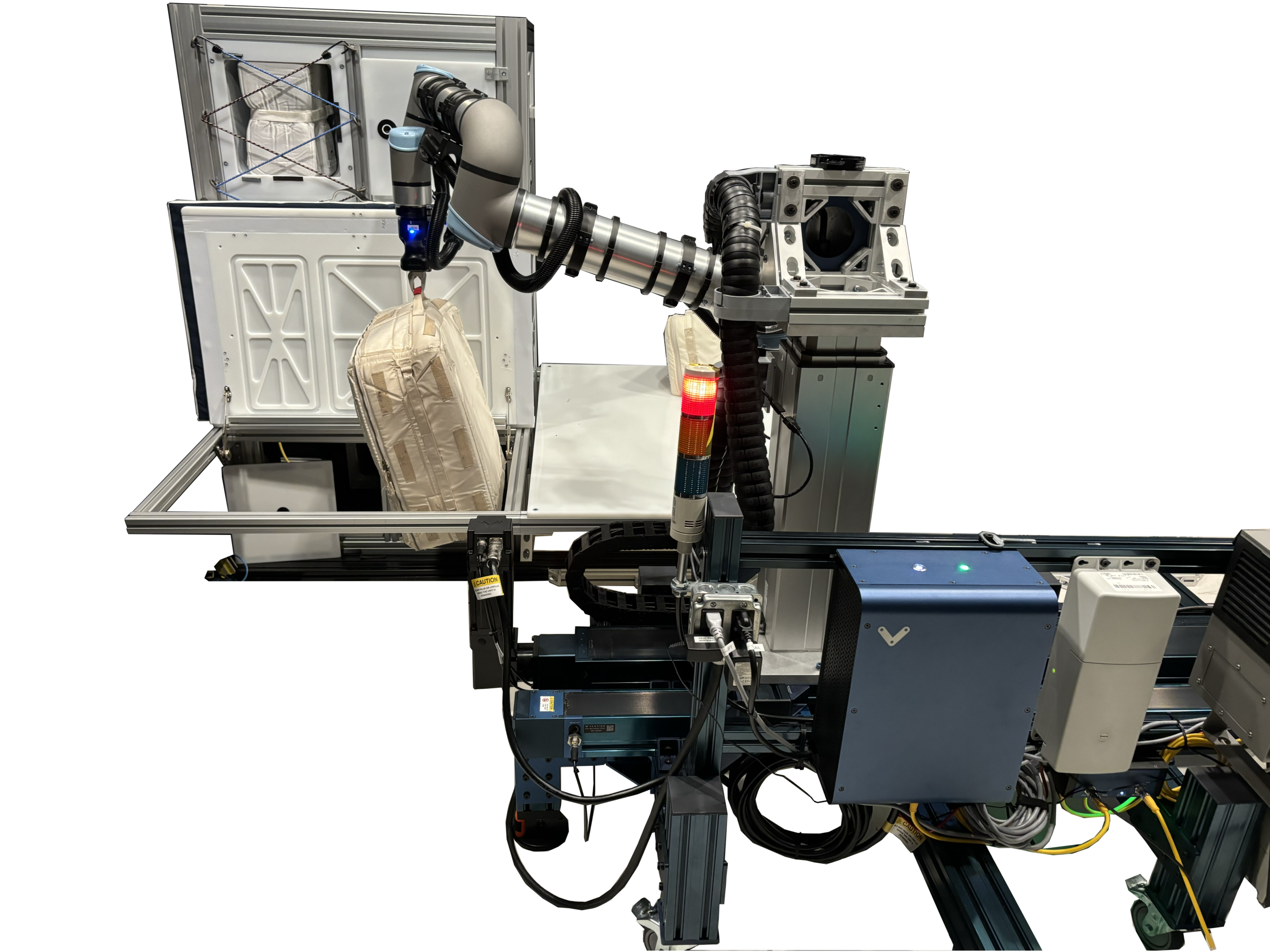
To address these challenges, NASA has partnered with PickNik Inc., a robotics company based in Colorado. Working alongside Shaun Azimi, who leads the Dexterous Robotics team at NASA’s Johnson Space Center, and other NASA robotics experts, the team tested software designed to enable a robotic arm to identify a spacecraft hatch, unlock it, grasp the handle, and open the door. Subsequently, the robotic arm successfully transferred cargo bags between the door and a container.
These advancements were developed at NASA Johnson’s new Integrated Mobile Evaluation Testbed for Robotics Operations, with funding provided by NASA’s Small Business Innovation Research program.
PickNik developed its robotic software, MoveIt Pro, with early government support. Launched commercially in 2023, MoveIt Pro has since gained a significant customer base. The automotive company BMW utilizes the software in its robotic assembly lines. Lightspeed is employing MoveIt Pro to program large robotic arms that produce modular panels for affordable housing construction. Hivebotics has also adopted MoveIt Pro to automate its flagship cleaning robot.
Ezra Brooks, PickNik’s lead software engineer, highlighted that the 35-person company might not have developed its product without NASA’s initial support. Creating robust robotic software involves years of research and development to refine algorithms and build a commercial-grade product, much of which NASA’s foundational work facilitated.
NASA’s technological advancements not only provide critical capabilities for lunar and deep space missions but also yield benefits for commercial industries on Earth. The agency has documented the everyday advantages of space technology through its Spinoff publication for 50 years. Further details on this project are available at: https://go.nasa.gov/49CNSi7