
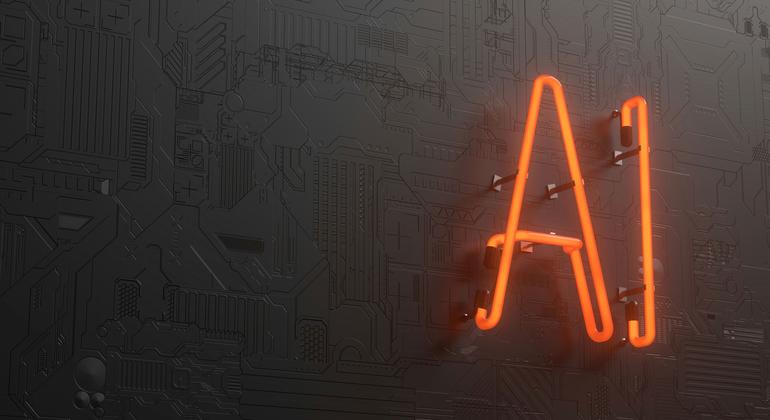
A new UNESCO report, Re|Shaping Policies for Creativity, forecasts that generative artificial intelligence (AI) will lead to substantial income losses for artists by 2028. The flagship report, covering over 120 countries, highlights that these disruptions are occurring faster than current policy responses, exacerbating inequalities and threatening the livelihoods of millions of cultural workers.
The report projects a potential 24% decrease in income for music creators and a 21% drop for those in the audiovisual sector. These declines are attributed to the increasing prevalence of AI-generated content in global markets.
While the shift towards digital creation and consumption presents new opportunities, it has also increased economic uncertainty. Creators face greater exposure to intellectual property infringements as AI-generated outputs enter the market, leading to reduced returns from their work.
The Widening Creative Digital Divide
Existing global inequalities are further compounded by these challenges. While 67% of individuals in developed countries possess basic digital skills, this figure drops to just 28% in developing nations. This digital divide, coupled with the growing dominance of large distribution platforms and opaque algorithms that hinder content visibility, contributes to a widening gap for creators, particularly those operating in the Global South.
UNESCO Director-General Khaled El-Enany stated that the current period is a critical juncture for the creative economy. The report outlines over 8,100 policy measures and calls for urgent, coordinated action to protect artists’ rights, strengthen regulatory frameworks, and reinforce the cultural sector’s contribution to sustainable development.
UNESCO warns that without renewed investment, fairer market conditions, and stronger international cooperation, creators risk further marginalization as technologies advance. The agency urges governments to prioritize cultural policy as a strategic imperative, ensuring that artists’ livelihoods are protected and that creativity continues to drive social cohesion, economic opportunity, and cultural diversity in a rapidly changing world.