
Tensions and uncertainty in the Strait of Hormuz are escalating global shipping and fuel costs, straining aid operations already grappling with severe funding shortages.
Real-World Consequences
Carl Skau, the acting Executive Director of the World Food Programme (WFP), stated at the UN Headquarters that initial warnings about rising energy prices at the crisis’s outset have materialized in the world’s most vulnerable nations. “I say that to show that what we warned about is happening in real-time in many contexts,” he noted.
Rising Hunger Levels
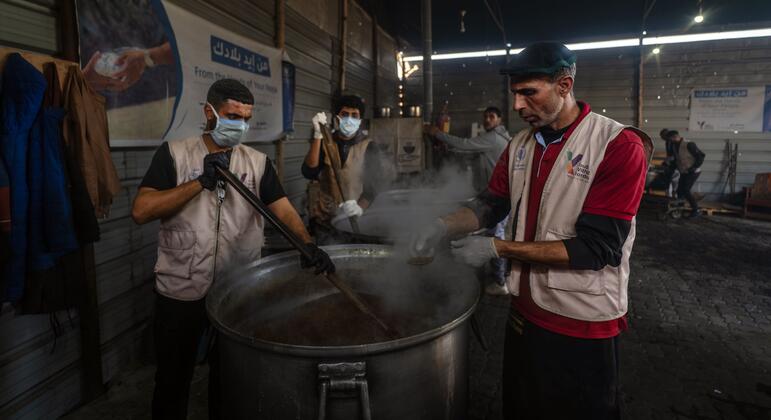
The WFP had previously warned that if oil prices remained above $100 per barrel throughout July, an additional 45 million people could face hunger due to the close link between energy and food prices. This pressure is already evident: 2.5 million people in Somalia, 2.3 million in Afghanistan, and 1.3 million in Sri Lanka are experiencing acute food insecurity. Skau attributed this to rising food costs, underfunded humanitarian responses, and sharply increasing operational expenses that reduce the number of people reachable with available resources. The outlook is also concerning, with warnings that high fertilizer costs could decrease agricultural yields in East Africa during the next planting season, potentially leading to further food shortages.
Deliveries Face Delays
The UN Children’s Fund (UNICEF) reports that diversions via the Cape of Good Hope are adding two to four weeks to shipping times, air cargo capacity on Middle East routes has tightened, and port congestion is spreading across Africa and other regions. “Increased shipping costs mean less money for the life-saving supplies children need,” said Jean-Cédric Meeus, UNICEF’s Global Shipping and Logistics Chief, cautioning that disruptions in supply routes could escalate into humanitarian crises.
Cost of Life-Saving Aid Skyrockets
According to UNICEF, air cargo costs for vaccines shipped from India to Ethiopia, Nigeria, and the Democratic Republic of Congo have surged by up to 70%. Meanwhile, trucking costs for life-saving therapeutic food sent to Somalia, South Sudan, and the Democratic Republic of Congo have risen by a third. Sea freight for educational materials to Yemen and Mozambique has increased by as much as 150%. UNICEF estimates that supply disruptions could delay critical humanitarian cargo by four to six months. “For a child in a crisis zone, delays in the arrival of vaccines or nutritional interventions can mean the difference between life and death,” Meeus warned.
‘I Haven’t Seen Anything Like It’
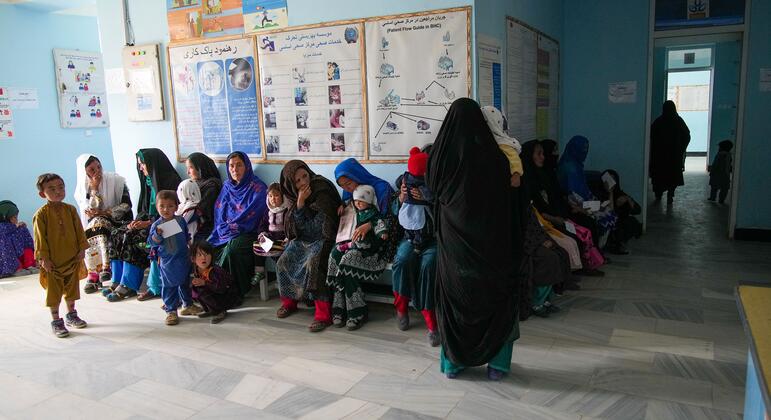
Afghanistan serves as a stark example of these cascading consequences. Skau recounted seeing hundreds of mothers bringing malnourished children to a rural health clinic near Jalalabad due to depleted supplies of nutritional items. These shortages stem from a combination of funding cuts and supply chain disruptions complicating shipments through neighboring countries. “I haven’t seen anything like it. The desperation in that clinic was indescribable,” Skau stated. Afghanistan is also contending with economic pressures linked to the regional crisis and the return or expulsion of approximately 2.8 million people from neighboring countries last year.
A Precarious Situation
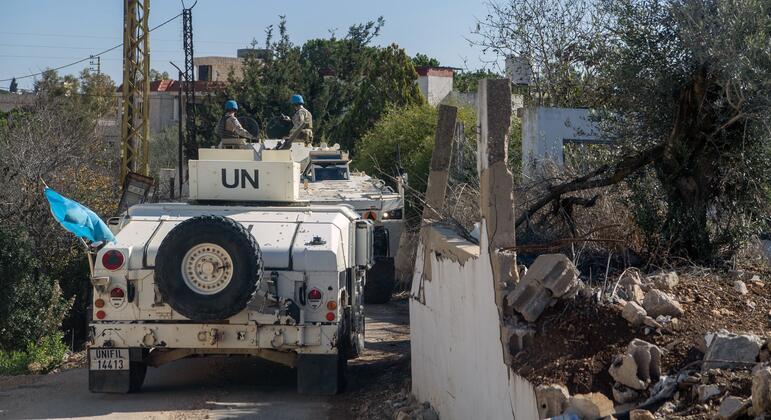
The humanitarian consequences are part of a broader economic shock. Before the escalation, about one-fifth of global oil shipments passed through the Strait of Hormuz. Since then, disruptions have driven up crude oil prices and increased costs across shipping networks and supply chains. Hundreds of ships and tens of thousands of sailors are stranded. An analysis by the UN Conference on Trade and Development (UNCTAD) indicates that the burden is disproportionately falling on poorer nations. Of the 75 vulnerable economies surveyed, 65 are net oil importers, and over 30% of the approximately one billion people living in these countries earn less than $3 per day. UNCTAD estimates that a sustained 50% increase in refined oil prices would add over $20 billion to their annual import bills.
We Told You So
These developments echo UN Secretary-General António Guterres’s warning in April that, even in the most optimistic scenario, disruptions in the Strait of Hormuz would dampen economic growth, fuel inflation, and disrupt global trade. Guterres cautioned that a prolonged crisis could push millions more into poverty and hunger, reversing hard-won development gains. While a fragile ceasefire has reduced fears of immediate military escalation, many of the consequences Guterres outlined are already unfolding: rising food and shipping costs, disrupted supply chains, increasing pressure on vulnerable economies, and growing humanitarian needs. As Skau noted, the outcomes institutions warned about weeks ago are now “happening in real-time.”