
The United Nations has urged all parties to exercise maximum restraint and avoid any escalation that could undermine diplomatic efforts following an alleged drone and missile attack on Kuwait International Airport, which reportedly resulted in at least one fatality, multiple injuries, and flight disruptions. UN Spokesperson Stéphane Dujarric emphasized the need for full respect for sovereignty and territorial integrity, while Secretary-General Guterres condemned attacks on civilian infrastructure, reiterating that international humanitarian law prohibits targeting civilians. Guterres called for the protection of civilians and supported mediation efforts, urging constructive engagement in diplomacy.
Fear and Uncertainty Grip War-Torn Communities in Lebanon
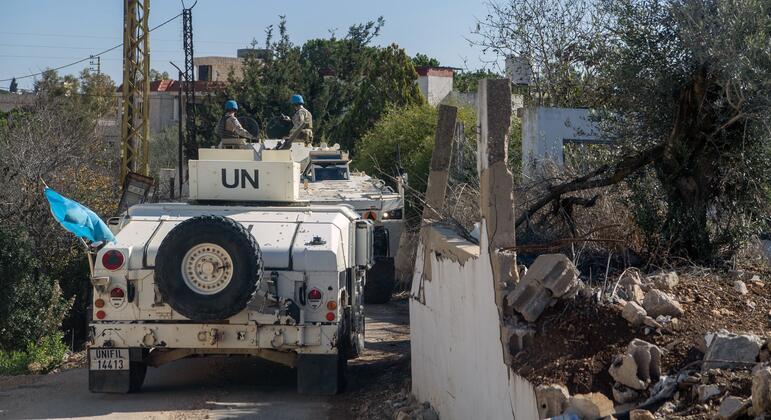
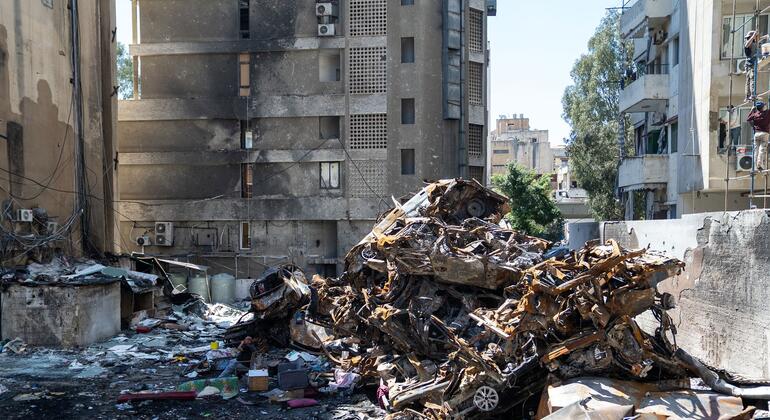
Communities in southern Lebanon continue to live in fear amidst ongoing clashes between Hezbollah fighters and the Israeli military. An update from Beirut indicated that the UN Children’s Fund (UNICEF) reported “utter uncertainty” prevailing in the region. UN Spokesperson Stéphane Dujarric stated that approximately 200,000 people have been displaced from the southern suburbs of Beirut following an evacuation order issued by the Israel Defense Forces on June 1. Videos released on Monday showed long queues of vehicles attempting to leave the southern suburbs of the capital after Israel issued warnings of attacks on Hezbollah strongholds.
Afraid to Leave
The crisis continues without resolution in southern Beirut, a Hezbollah stronghold, where people are reportedly afraid to leave. Beyond the direct impact of bombings and airstrikes, UNICEF reported that an estimated 770,000 children in Lebanon are experiencing severe distress due to repeated exposure to violence, loss, and displacement. UNICEF warned that “children and their caregivers are reporting symptoms associated with traumatic stress and grief, including extreme fear and anxiety, nightmares, sleeplessness, and feelings of hopelessness.” Without adequate mental health and psychosocial support in safe environments, affected children remain at risk of developing chronic or lifelong mental health issues.
Over 24 Million People in the Sahel Region Require Urgent Aid
More than 24 million people across countries in Africa’s Sahel region are awaiting urgent humanitarian assistance. The UN Office for the Coordination of Humanitarian Affairs (OCHA) described this alarming figure as including “mothers unable to feed their children and children who have not seen the inside of a classroom for years.” Violence in the central Sahel is a key factor fueling the crisis, with insecurity spreading beyond traditional conflict zones in Mali, Burkina Faso, and Niger, reaching the West African coast. OCHA warned that armed groups have expanded their reach across the vast and diverse central region and the Lake Chad Basin, displacing communities, closing schools and health centers, and leaving “entire regions without any state or protection.”
Urgent Funding Appeal
The latest UN data indicates that approximately 12,900 schools have been closed due to insecurity, keeping more than 2.3 million children out of lessons and leaving them vulnerable to exploitation and recruitment by armed gangs. Funding for the Sahel is at its lowest point in a decade. Last year, aid organizations received only 29% of the funding they required, leading to the suspension of services.