
AI’s Growing Impact on the Global Workforce
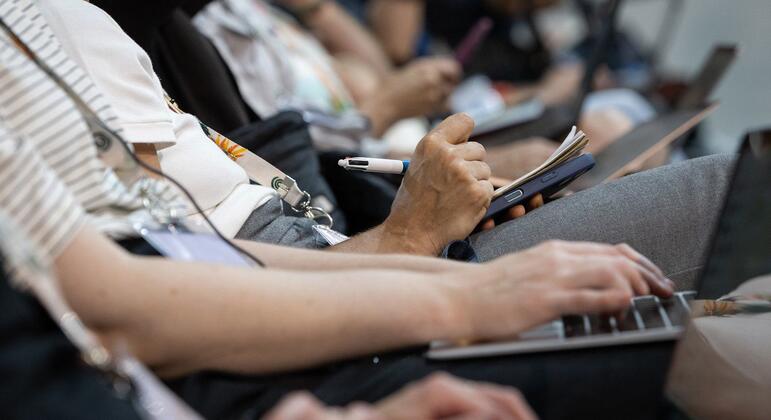
Experts convened at a webinar hosted by the International Labour Organization (ILO) and the International Telecommunication Union (ITU) to address concerns surrounding artificial intelligence (AI) and its impact on working conditions. They proposed new strategies to ensure emerging technologies uphold rights and enhance welfare. Sher Verick, ILO coordinator for digitalization and AI, stated, “The fundamental question is not whether AI will transform work, because it already is. The real issue is ensuring this transformation advances decent work and social justice.”
Building Trust in AI Systems
Bilel Jamoussi, Deputy Director of the ITU Telecommunication Standardization Bureau, highlighted that AI is now deployed in systems with tangible consequences for human well-being, affecting decisions in hiring and access to services. Jamoussi emphasized the importance of standards and skill development, noting that while technical standards can make AI “trustworthy,” the crucial factor lies in how societies and governments implement these technologies.
The ‘Invisible’ Workforce Behind AI
Behind the seemingly simple responses of chatbots, social media algorithms, and automated systems lies an “invisible” workforce powering AI. Ben Richards from UNI Global Union identified two primary groups within the data supply chain: content moderators who ensure platform safety by reviewing harmful material, and data labelers and annotators who structure reality for machine learning. Richards noted these workers often face “extreme pressure, constant surveillance, low pay, and mental health harms.”
Trauma Beyond the Screen
Major tech companies frequently rely on workers in the Global South for content moderation and data annotation. In India, tens of thousands are engaged in such work. For many in rural areas, particularly women, remote work opportunities requiring only an internet connection represent a rare chance for income and independence. However, upon hiring, they are often unaware of the nature of the material they will be expected to review. Many are required to sign non-disclosure agreements (NDAs), preventing them from discussing their work even with family.
Exposure to Exploitation and Danger
One woman from a village in India described watching hundreds of videos daily, including depictions of sexual violence, traffic accidents, and deceased individuals. Another young woman reported being required to review child sexual abuse material and classify pornographic content. Human rights advocates have raised alarms about these working conditions.
Global Alliance for Safer Work Protocols
Richards announced the formation of a global alliance of content moderators by his organization, advocating for safe work protocols based on the rights to organize and bargain collectively. “We want AI to augment human capabilities,” Richards stated, stressing the need for equitable distribution of the benefits of technological advancement.
Chasing Unattainable Targets
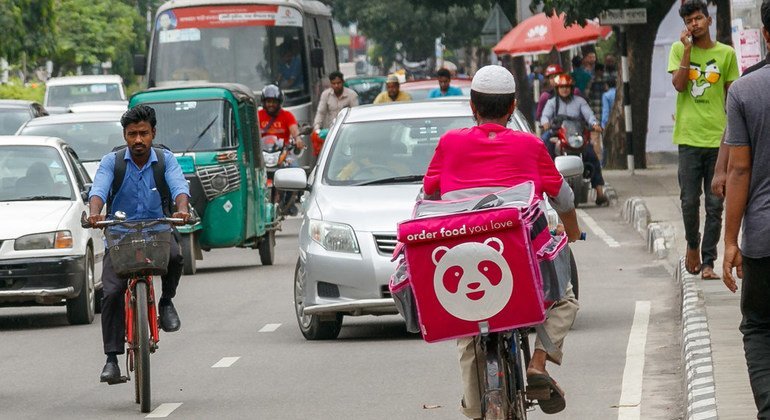
Workers across various countries are experiencing increased stress due to algorithmic management, where software systems dictate work pace, task allocation, and performance evaluations. This management style can exacerbate pressure and create safety risks. Evelyn Astor, economic and social policy director at the International Trade Union Confederation (ITUC), warned that without proper regulation, AI could deepen existing risks. Union monitoring has linked fatal accidents to couriers pursuing “impossible delivery targets” set by algorithms. A 2025 study published by Cambridge University indicated that approximately two-thirds of drivers and couriers in the UK work under concerning conditions due to “unfair feedback” and sudden changes in work hours determined by algorithms. Over half of participants reported risking their workplace health and safety. While platforms may not explicitly command workers to violate safety rules, incentive systems involving penalties, speed-based bonuses, and priority order assignment compel workers to make dangerous decisions to protect their income.
Shaping AI for Humanity’s Benefit
Similar concerns are emerging globally and across sectors, with automated systems assigning shifts, setting pay rates, and even making termination decisions with minimal human oversight and limited avenues for appeal. Union representatives at the webinar cautioned that deploying AI without adequate safeguards risks exacerbating existing problems, adding that algorithmic management already contributes to work intensification, increased digital surveillance, biased decision-making, and reduced human oversight in employment decisions. The ILO and ITU are advancing initiatives aimed at shaping international approaches to regulating AI’s impact on labor markets, including the “AI for Good” platform and the “Global Coalition for Social Justice.” The primary challenge for the UN system is to ensure AI expands human potential rather than undermining worker safety and well-being, necessitating a shift in focus from purely technological innovation to governance grounded in human rights, equity, and sustainable development.