
Escalating conflicts in the Middle East are placing additional strain on Afghanistan’s already fragile economy, intensifying instability. Georgette Gagnon, a UNAMA official, highlighted that the country’s international isolation hinders progress on economic self-sufficiency, security cooperation, counter-terrorism commitments, human rights concerns, and the ongoing humanitarian crisis. She warned that without addressing these issues, Afghanistan could become a source of regional and global instability through migration, terrorism, and drugs.
Gagnon noted that Afghanistan faces further pressures with the closure of the Pakistan border and an uncertain trade route via Iran due to ongoing conflicts. She also emphasized that unresolved border disputes between Afghanistan and Pakistan have led to active conflict, including airstrikes. Calling for an immediate ceasefire to ensure the free flow of humanitarian aid, Gagnon stated that “the de facto authorities have a ways to go to prove to the world they are serious about their counter-terrorism commitments.”
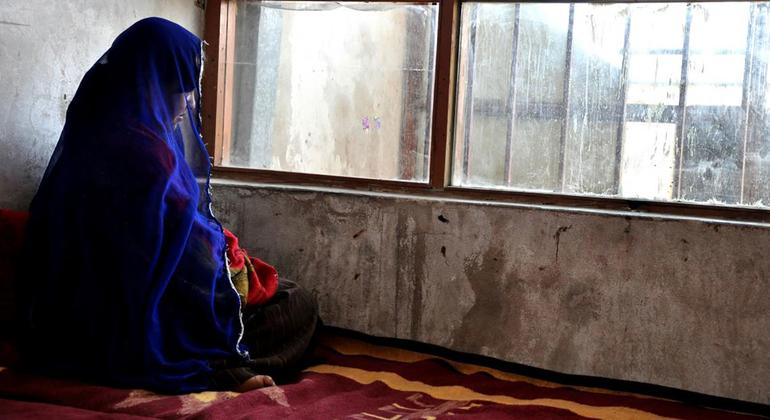
Since September 2023, Afghanistan has received over five and a half million Afghans returning from neighboring countries. This situation is further complicated by dwindling international aid and the absence of a significant social safety net. Gagnon explained that the humanitarian crisis is worsened by substantial funding cuts, increasing needs including large-scale refugee returns, and policies prioritizing ideology over welfare by the de facto authorities. Years of economic decline and recurring climate shocks have diminished families’ coping capacities, exacerbated by current restrictions on women and girls. The exclusion of women from the workforce has a significant impact on consuming vital human capital in the medium to long term.
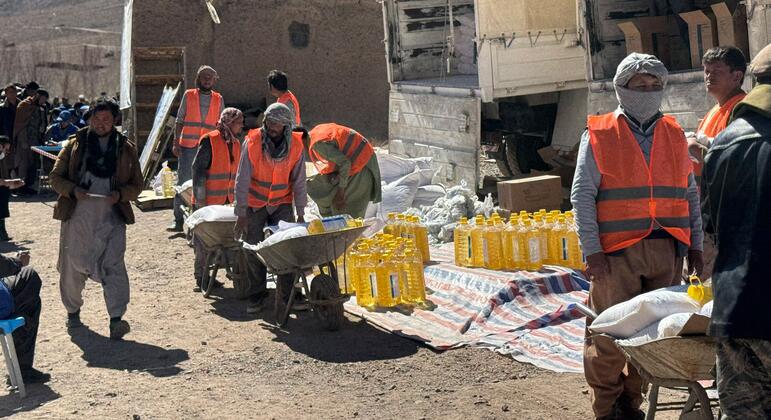
Humanitarian partners aim to reach 17.5 million Afghans in 2026 through a $1.71 billion humanitarian appeal. This ranks Afghanistan second globally in terms of targeted population and sixth in total funding requirements. However, the appeal is currently only 10% funded. The UN’s ability to deliver aid and reach Afghan women is hindered by a six-month ban on female national UN staff. “We call on the de facto authorities to lift these restrictions and allow UN female national staff to return to their offices,” Gagnon urged. The international community has expressed concerns about decisions by the de facto authorities that undermine stated efforts towards economic self-sufficiency.
Members of the UN Security Council voiced serious concerns regarding the situation of women and girls in Afghanistan and the realities on the ground affecting humanitarian aid. The US ambassador, holding the rotating Council presidency for March, stated that the “intransigence” of the Taliban in disregarding the needs of the Afghan people necessitates careful consideration by the international community regarding the benefits of international aid and engagement in Afghanistan. Afghanistan’s ambassador (not representing the de facto authorities) told the Security Council that “after five years, the status quo in Afghanistan is neither acceptable nor sustainable. This reality will not bring peace, stability, or prosperity.”
Iran’s ambassador asserted that “humanitarian aid should never be politicized.” He called on donors to provide increased, predictable, and flexible funding for life-saving humanitarian operations. Concluding her remarks, Gagnon reminded the Council of a commitment to an Afghanistan that is “at peace with itself and its neighbors, reintegrated into the international system and fulfilling its international obligations for the benefit of the Afghan people.”