
Is Your Ghee Pure? FSSAI Offers a Simple Home Test
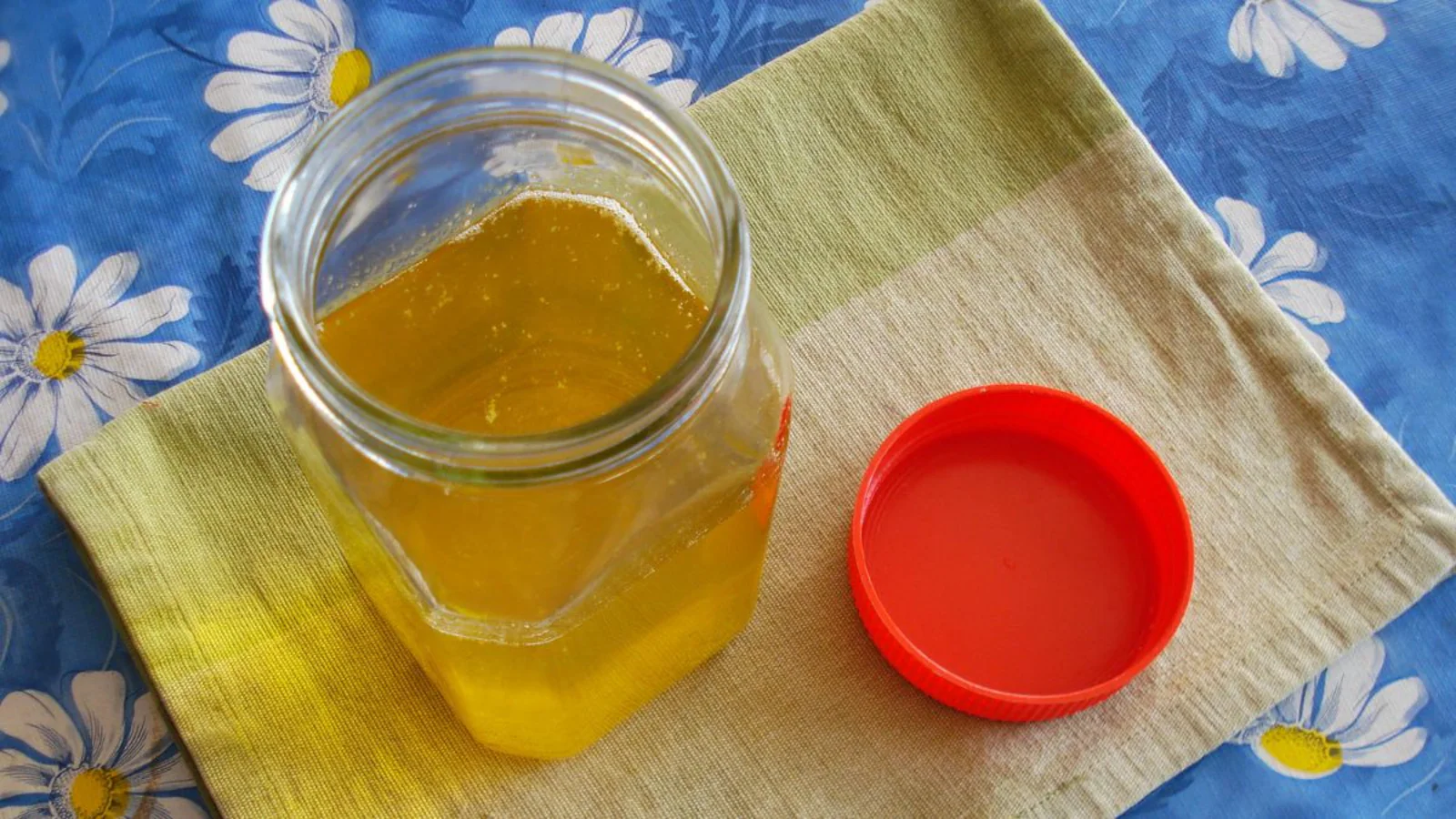
Ghee, a staple in many kitchens for its distinct flavor and nutritional benefits, is facing scrutiny due to increasing concerns about food adulteration. The Food Safety and Standards Authority of India (FSSAI) has shared an accessible home test to help consumers identify if their ghee has been tampered with.
Adulterated ghee often contains cheaper oils or fats, diminishing its quality and potentially posing health risks. To combat this, the FSSAI recommends a straightforward test using common household items.
How to Perform the Ghee Purity Test
The test involves mixing 1 ml of melted ghee with 1 ml of concentrated hydrochloric acid (HCl) in a test tube. Subsequently, half a teaspoon of table sugar is added. The mixture should be shaken vigorously for at least two minutes and then allowed to settle and separate.
According to FSSAI’s guidance, pure ghee will show no color change. However, if the ghee is adulterated, the acid layer will turn crimson red or pink. This color change occurs because hydrochloric acid dehydrates sugar to produce furfurals, which then react with phenols found in substances like Vanaspati or sesame oil, resulting in the red or pink hue.
FSSAI emphasized the importance of this test, stating, “Ghee is a part of almost every Indian household. But have you ever wondered if the ghee you’re using is adulterated with vanaspati or hydrogenated edible fat? Watch this video for a simple test you can try at home to find out! Stay informed, stay safe!”
FSSAI Cracks Down on Counterfeit Ghee Operations
In a separate development, the FSSAI has actively worked to combat food fraud. Recently, the FSSAI Northern Regional Office, in collaboration with law enforcement, dismantled a significant interstate network involved in producing and distributing counterfeit ghee. This operation led to the seizure of over 6,500 liters of suspected adulterated ghee, which was found to be a mixture of vegetable oils and other non-dairy components.
Raids conducted in Delhi and Haryana uncovered substantial quantities of the fake product, some already packaged for sale. These actions highlight the FSSAI’s ongoing commitment to safeguarding public health by ensuring food safety and authenticity.