
An attack near Hiram Hospital in the Sur district injured 10 staff members and caused damage for the fifth time since March 2, according to local officials. The incident underscores the dire humanitarian situation in Lebanon.
“We are deeply concerned about the continued impact of the hostilities on health facilities and people’s access to essential services,” stated UN Spokesperson Stéphane Dujarric on Friday.
Across Lebanon, 17 hospitals have sustained damage since the escalation began in March, including three in Sur. The World Health Organization (WHO) reports that 135 health workers and first responders have lost their lives during this period, with approximately 400 others injured.
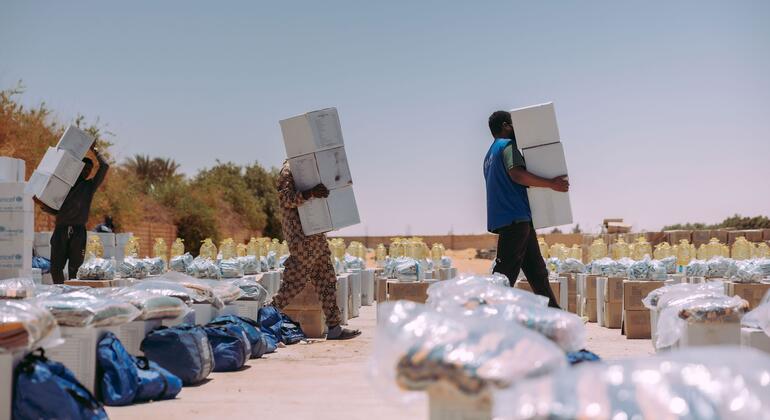
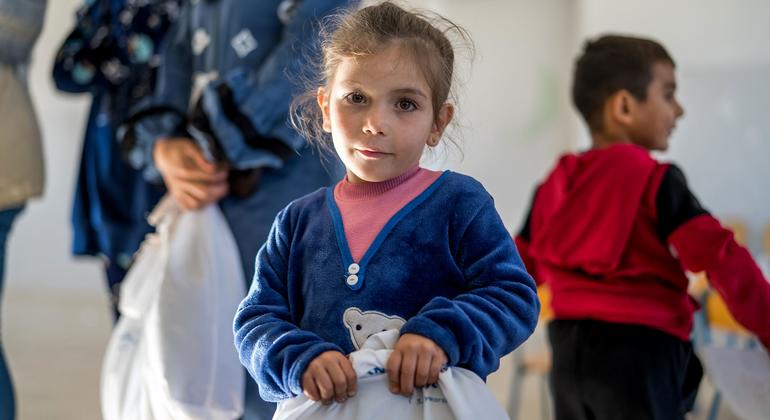
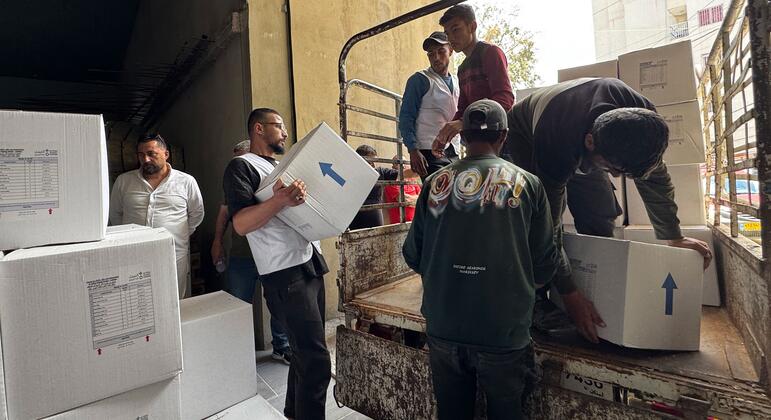
Amidst the crisis, humanitarian partners continue to provide support to affected families nationwide. Over 182,000 individuals have received essential aid supplies since the escalation commenced.
Intense Aerial Activity Reported
On Thursday, the UN peacekeeping mission monitoring the border between Israel and southern Lebanon, UNIFIL, reported “intense aerial activity” involving warplanes and various unmanned aerial systems. This included 72 Lebanese airspace violations and a total of eight airstrikes by Israeli warplanes within UNIFIL’s area of operation.
Dujarric further reported that peacekeepers observed 531 “trajectories” on Thursday. Approximately 526 originated from Israeli positions south of the Blue Line and within UNIFIL’s area of operation. Five alleged attacks were initiated by Hezbollah, with one crossing the line of separation.
Roads and Bridges Under Repair
Despite the significant escalation of violence over the past three months, UNIFIL maintains its deployment across all its positions in southern Lebanon, continuing to fulfill its mandated tasks. In recent weeks, peacekeepers have worked closely with the national army and local authorities to restore access by repairing roads and bridges within their area of operation. These efforts are crucial for ensuring the peacekeepers’ own mobility and facilitating humanitarian access in a region marked by daily clashes, ground combat, airstrikes, destruction, and displacement.
Several roads have been repaired and obstacles removed in the areas of Shama, Ramyah, Marwahin, Ayta as-Sha’b, Marjayoun, Kfar Kila, and Houla. Where major craters or threats made repairs impossible, peacekeepers constructed alternate routes to re-establish access. Notably, Chinese peacekeepers from the mission repaired a vital bridge near Al Bayyadah that had been heavily damaged during the hostilities.