
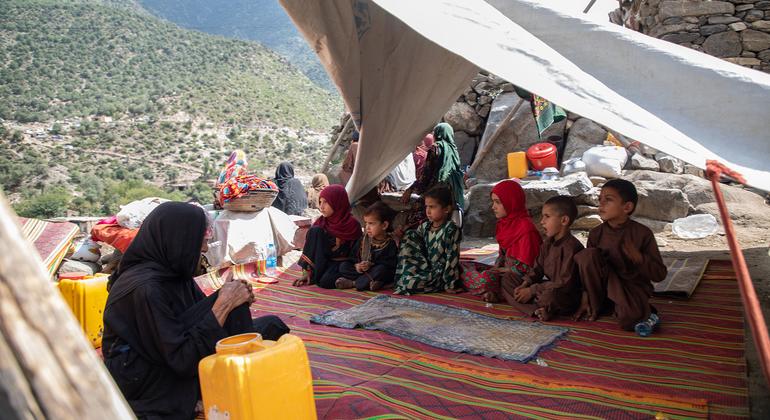
The UN Women’s agency is continuing its operations in Afghanistan, a country described as facing the world’s most severe women’s rights crisis, where women’s access to formal justice is four times less than that of men. Programs reaching hundreds of thousands in need remain active.
Despite restrictions on women and girls and ongoing conflicts, UN Women remains in Afghanistan and continues to deliver services, no matter what,” said Susan Ferguson, UN Women’s Country Representative. Ferguson highlighted that in 2025, UN Women secured access to vital services for over 350,000 women and girls and supported approximately 200 women-led civil society organizations.
However, operations continue to face significant constraints. In a country where services for women must be delivered by women, the agency is calling for the lifting of the ban on Afghan women UN personnel and contractors accessing UN premises.
“We continue to find ways to operate and stand with those who need support the most,” Ferguson added.
Intensifying Pressure on Women
Ferguson emphasized the impact of Decree No. 12, issued by the Taliban earlier this year, which formally abolves equality before the law between women and men and legitimizes violence against women by allowing husbands to impose punishment, including physical violence at home.
The UN Women country representative urged the de facto authorities to ensure that laws and policies protect the rights of women and girls in line with Afghanistan’s international human rights obligations. Ferguson cautioned the international community against ‘normalization,’ stating, “When we start accepting this as normal, we stop believing it can change. Change is still possible, but only if the world continues to stand with Afghan women.”
The Heavy Cost of Conflict
Following reports of hundreds killed in an airstrike in Kabul on Monday night, Ferguson stated that the majority of 289 verified civilian deaths or injuries during the conflict with Pakistan were women and children, bearing the heavy cost of ongoing violence. At least 64,000 people were affected by the military escalation with Pakistan, more than half of whom were women and girls.
With ongoing conflicts with Pakistan and the war environment in the Middle East, this marks the second or even third time many women have been forced to flee their homes within the past year. She anticipates a sharp increase in returns from Iran in the coming weeks, particularly for women traveling alone or with children.
With over 10 million women and girls expected to require humanitarian assistance this year following the deepening economic crisis and disruptions from the August 2025 earthquake, rising prices linked to regional conflicts are expected to further exacerbate the situation for families.
Urgent Shelter Needs
Initial assessments by the UN and its partners indicate that women’s most urgent needs are shelter, health services, and clean water. UN Women is also mobilizing resources to expand cash assistance for female-headed households, provide welfare kits, and assist in establishing small businesses.
Despite these initiatives, UN Women faces a 50% funding gap for its work in Afghanistan in 2026, with overall UN operations struggling with a $500 million deficit. Appealing to the international community, Ferguson stated, “We urgently need more funding to meet these needs at this critical juncture. If the ongoing conflicts continue, the needs will only grow.”