
“Despite numerous reminders, warnings, and calls, the deployment of explosive weapons with wide area effects in populated areas by the parties to the conflict, using increasingly sophisticated drones, is deeply alarming,” stated the High Commissioner.
He reiterated calls for both sides in the brutal internal conflict to fully comply with international law, “especially the clear prohibitions against attacks on civilians, civilian objects, and infrastructure, and all forms of indiscriminate attacks.”
In West Kordofan, drone strikes attributed to the Sudanese army reportedly killed at least 152 civilians, with approximately 50 fatalities occurring during attacks on a market and a hospital.
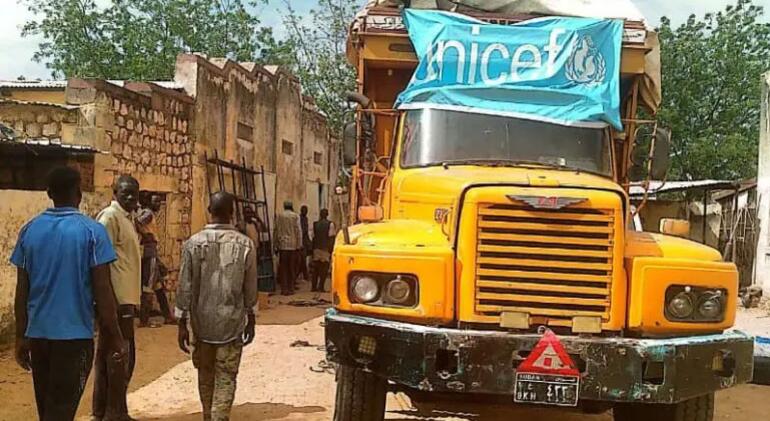
At least 40 civilians died in two separate market attacks in Abu Zabad and Wad Banda on March 7. On March 10, a truck carrying civilians was reportedly hit by a drone, allegedly belonging to the SAF, resulting in the deaths of at least 50 civilians.
Homes and Markets Targeted
In South Kordofan, heavy artillery shelling by the Rapid Support Forces (RSF) and allied SPLM-North between March 4-5 resulted in the deaths of at least 39 civilians, including 14 in the state capital, Dilling.
Numerous homes, schools, markets, and health facilities were damaged or destroyed in the attacks, exacerbating the impact on civilians and local communities.
The High Commissioner also expressed concern over the latest expansion of the conflict into White Nile state, which has been targeted by drone attacks attributed to RSF militias since March 4. On March 11, a secondary school and a health clinic in the village of Shukayri were hit, reportedly killing at least 17 civilians, including one health worker.
“It will be almost three full years since the start of the senseless conflict in Sudan, devastating millions of lives and livelihoods. Yet, the violence, fueled by these new war technologies, continues to spread,” said Mr. Türk.
UN Urges an End to Violence Against Women and Girls
UN Deputy Secretary-General Amina Mohammed highlighted that violence against women and girls continues to be fueled by conflict, militarization, and entrenched inequalities, urging governments to move beyond condemnation and take decisive action.
Speaking at a high-level meeting celebrating the fifth anniversary of the UN Group of Friends for the Elimination of Violence against Women and Girls, Mohammed stated that conflicts worldwide expose women and girls to severe and lasting harm.
According to the UN, over 4,500 cases of conflict-related sexual violence have been verified in 2024, though the actual number is likely much higher due to stigma, fear, and collapsing reporting systems.
Disturbing Trends in Violence
The Deputy Secretary-General pointed to disturbing trends across several crises. In Sudan, UN experts have reported widespread sexual violence and attacks on women human rights defenders.
In the Democratic Republic of Congo, a child is reportedly raped every half hour, while in Haiti, sexual violence against children has dramatically increased in recent years.
Mohammed stressed that women must be at the center of peace processes and political decision-making, warning that lasting peace cannot be achieved as long as women and girls remain excluded and vulnerable.
UN Concerned by Deadly Clashes and Rising Displacement in Ituri, DRC
The UN has issued a warning regarding escalating violence in the eastern Democratic Republic of Congo (DRC), cautioning that civilians in Ituri Province face increasing danger and displacement.
UN Spokesperson Stéphane Dujarric told reporters in New York that humanitarian organizations are “deeply concerned” by the impact of violence on the civilian population in the region.
A Deadly Month
According to local partners, at least 10 civilians were killed in clashes between armed groups near the Bule area in Djugu Territory on Wednesday. Since the beginning of March, at least 21 people have been killed in fighting in surrounding villages, forcing many to flee their homes.
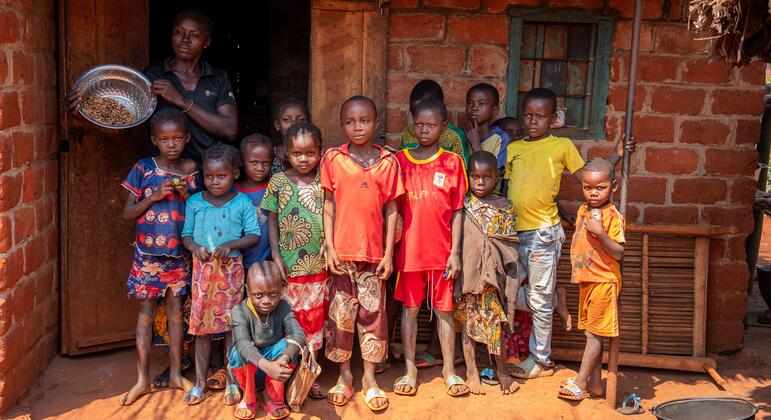
Displacement camps are rapidly becoming overcrowded. Authorities report that the Plaine Savo camp is now hosting approximately 136,000 people, double the number recorded just two months ago.
Despite increasing needs, aid workers are finding it difficult to reach those affected. Mr. Dujarric noted that “humanitarian access is severely restricted due to insecurity,” and partners have been unable to reach the Plaine Savo camp safely following a surge in violence since March 8.