
Football icon Zico has positioned his lifelong club, Flamengo, to lead a global initiative against the planet’s most pressing issues, moving beyond traditional tactical discussions.
The United Nations (UN) is leveraging the immense cultural influence of sports through its ‘Football for the Goals’ initiative to champion human rights, environmental sustainability, and social equality.
A Legendary Partnership
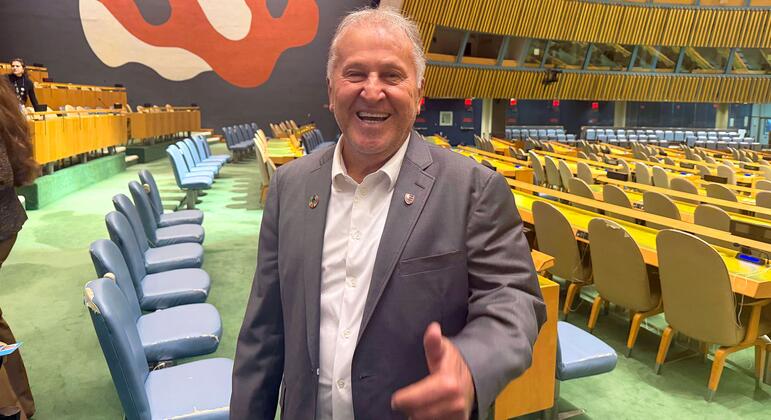
Zico, a three-time World Cup participant and idol to millions worldwide, has been appointed as the first Brazilian Champion for the program.
His role is straightforward yet ambitious: to utilize his stature to encourage fans to consider the world beyond the pitch.
In an interview with UN News Portuguese on Monday, Zico stated that his involvement with the UN for this initiative was “a moment of great honor and great satisfaction, representing all my dedication, my career, and the way I chose to conduct my profession.”
He added that representing sports and the players on the field is significant to him, noting, “This is not a personal honor, but rather an honor to football itself and what it represents.”
While the UN often deals with complex policies and strategies, this partnership focuses on making global goals feel local.
By incorporating a club with the massive reach of Flamengo, the UN aims to transform match-day passion into real-world action.
More Than Just a Game
For those not engrossed in league standings, the scale of this collaboration is significant. Flamengo is more than a sports team; it is a cultural institution with tens of millions of supporters.
Melissa Fleming, UN Head of Global Communications, remarked, “Flamengo’s decision to join Football for the Goals highlights the power of football in South America, and particularly in Brazil, to drive social progress and foster collective action.”
Fleming further added, “By bringing one of the world’s most influential clubs into this global initiative, we are strengthening a movement that unites the passion of the game with the urgent need to advance the Sustainable Development Goals and build a fairer, more inclusive, and sustainable world for all.”
The 2030 Agenda
The goals referenced are not those behind the net. They refer to the Sustainable Development Goals, an ambitious 17-point plan agreed upon by world leaders to end poverty and protect the environment by 2030.
As part of the movement, Flamengo has committed to the following:
- Go Green: Implement more sustainable practices within the club’s operations.
- Raise Your Voice: Utilize its extensive social media presence to advocate for equality and human rights.
- Set an Example: Demonstrate to fans and athletes how small changes in daily life can contribute to a healthier planet.
Why Football?
The UN recognizes football as the world’s most global and accessible sport. From dusty community fields to dazzling international stadiums, it speaks a language everyone understands.
With efforts spearheaded by icons like Zico, the hope is that the energy fans use to support their teams can be channeled into protecting the world they live in.