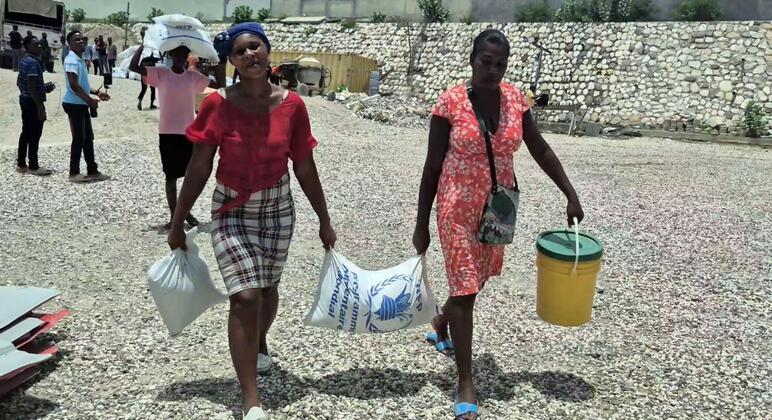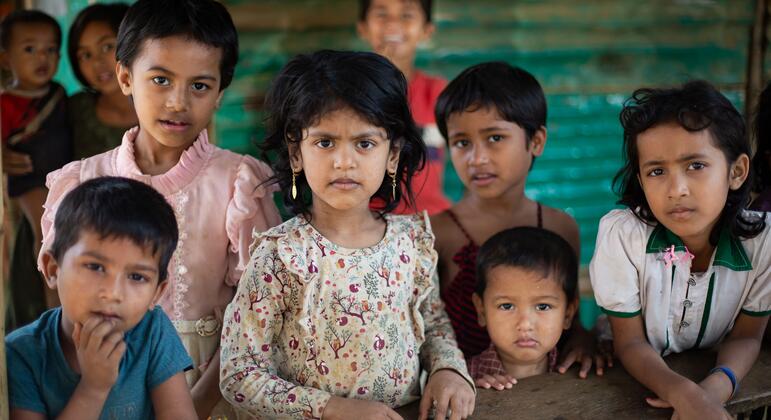

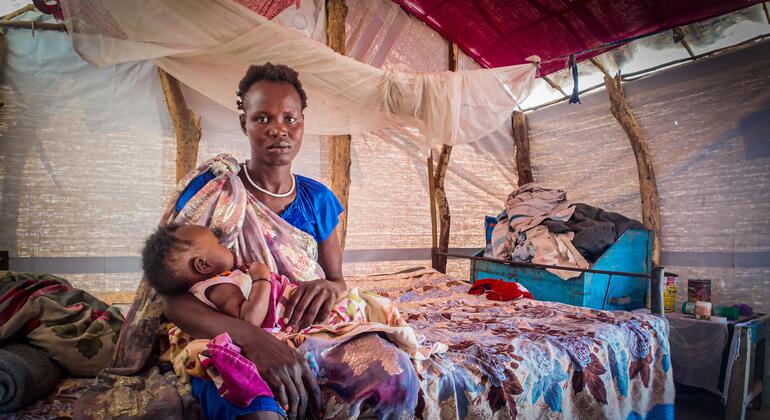
Since the beginning of 2026, the UN migration agency, IOM, reports that over 300,000 individuals have been displaced, facing repeated challenges in recovering from their situations. UN Spokesperson Stéphane Dujarric stated at a regular Noon briefing that humanitarian partners are prioritizing aid for those in the most affected areas. The World Food Programme (WFP) and its partners have provided food to more than 300,000 people in Jonglei state’s Ayod, Duk, Nyirol, and Uror counties this year. UNICEF and other nutrition partners have resumed delivering essential supplies to remote locations, including thousands of cartons of high-energy biscuits and Ready-to-Use Therapeutic Food.
Efforts are also underway to pre-position vital supplies before the April-October rainy season, which often restricts access to communities. Nearly 10 million people, over three-quarters of the population, will require humanitarian assistance in 2026. The $1.5 billion Humanitarian Needs and Response Plan has only received $351 million, less than a quarter of the required funding. Mr. Dujarric urged for urgent and sustained donations, warning that without them, many communities face a severe risk of life-threatening food insecurity in South Sudan.
Philippines Cracks Down on Online Fraud Centers with UN Support
The Philippines is intensifying its efforts to dismantle online scam centers with assistance from the UN. Filipino authorities have successfully liberated approximately 6,000 individuals, including over 3,000 foreign nationals, from these centers. The UN Office on Drugs and Crime has played a role by developing new operating procedures, implemented this week, that shift towards a victim-centered approach. This aims to close prosecution loopholes and ensure victims are treated as survivors of trafficking, not offenders.
Miklos Gaspar, Director of the UN Information Centre in Indonesia, noted that the UN can provide effective support and achieve results when governments are committed to combating scam centers and corruption. He explained that scam compounds, often recruiting victims through fake job offers, have proliferated across Southeast Asia. These operations are frequently part of larger global criminal enterprises, with the UN Office on Drugs and Crime warning that organized fraud networks are increasingly sophisticated, employing advanced technologies and targeting victims worldwide to generate billions in illicit profits.
Mass Migration Expected in Latin America and Caribbean
Factors such as organized crime violence, economic shifts, evolving migration policies, increased returns and deportations, and the growing impact of climate-related hazards are poised to significantly alter migration patterns across Latin America and the Caribbean. A new report from the UN migration agency, IOM, released on Thursday, indicates that migration in the region is becoming more complex and rapidly changing. Movements are no longer solely driven by traditional patterns but are increasingly diverse, multidirectional, and dynamic. New routes are emerging, intensifying pressure on border areas and urban centers.
Currently, around 80 million international migrants reside in Latin America. In 2024 alone, 14.5 million internal displacements were recorded, primarily due to disasters, while conflict and violence-related displacement affected nearly 1.5 million people. Ana Durán Salvatierra, a senior IOM official in the region, emphasized that the focus is on preparing for various future scenarios rather than predicting exact outcomes. Migration will continue to evolve, making proactive preparation crucial. Intraregional migration remains a significant feature, notably the continued movement of approximately 6.9 million Venezuelans across Latin America and the Caribbean, primarily in Colombia, Peru, Brazil, Chile, and Ecuador. The IOM report aims to help move beyond reactive responses by developing plausible scenarios and highlighting practical implications for planning, coordination, and resource allocation.